


Moving a refrigerator is more complex than just sliding it out the door. Doing it incorrectly can lead to costly damage to your appliance, your home, and even cause personal injury. More importantly, a mistake can ruin the fridge’s cooling system, turning a simple move into an expensive replacement. This definitive guide will walk you through safely moving your fridge, from the crucial prep work days in advance to the final leveling in your new home. Follow these steps to ensure your appliance arrives safely and operates perfectly for years to come.
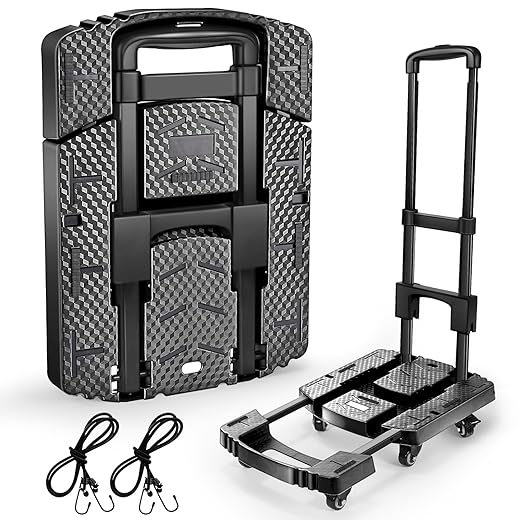


While preparing for the journey, use sturdy straps to secure the refrigerator and keep it well-aligned with the moving vehicle. Make sure to remove all detachable parts like shelves and doors; wrap them in bubble wrap to prevent any damage. This little thing can save you money on repairs and avoid potential headaches later on.

Many recommend contacting professionals if you’re looking for the safest way to transport your appliance. Those guys know how to handle various refrigerators, making your life less complicated. If opting for a DIY approach, remember to keep the refrigerator upright at all times and ensure it’s adequately secured. Following these guidelines will help you navigate this stressful task with less worry.
Moving a Fridge: Do’s and Don’ts for a Safe Move
Prior to shifting your large appliance, ensure it is completely empty. This minimizes potential damage during transportation and saves you money on unnecessary weight. Remove any perishable items and secure the contents in trays or boxes. Consider using cardboard to further protect delicate items during transit.
When the time comes to load the appliance onto the truck, utilizing the correct equipment is essential. Use a dolly with sturdy wheels to maneuver your fridge without risking injury. People often overlook this step, but having the right tools can make the task significantly easier. If available, turn any ice trays upside down to prevent spillage and further mess.
The placement of the fridge in the truck must be strategic. Ensure it is positioned upright and secured properly, as tilting can damage the internal components and affect its efficiency. Prior to securing your appliance, connect the power cord properly to avoid disconnections or accidents during transit.
Always invest in insurance for valuable items, such as your refrigerator, to cover any possible mishaps. Moving can be unpredictable, and having peace of mind can make the process smoother. Many homeowners find that a safe plan minimizes stress and allows for a successful transition.
After the move, allow your fridge to sit for several hours before plugging it back in. This wait time ensures the coolant settles correctly. Once plugged in, your appliance should appear functional and ready to use, provided it was handled with care. People often overlook this crucial step, leading to potential issues down the line.
For those in need of moving supplies, consider checking out items on Amazon such as moving dollies, appliance hand trucks, and sturdy boxes to ensure a smooth process. Tools like these can help streamline your move and ensure everything arrives intact.
Preparing for the Move
Start by clearing everything out of your appliance. Empty all the shelves, trays, and drawers. This makes the process easier and prevents any accidental spills or damage. Once you’ve done this, take a moment to wipe down surfaces with a suitable plastic cleaner to ensure it’s fresh before the transition.
Next, wait for a few hours after unplugging the fridge-freezer. This allows any lingering frost to melt and ensures that the compressor cools down properly. It appears that this is crucial for avoiding potential damage when they’re moved. Think about placing a plank underneath the appliance to help roll it smoothly over any floors.
While securing straps for transport, remember the importance of positioning the fridge upright. Laying it down can cause complications with its internal operations. Sometimes, the whole unit needs to be kept less than 45 degrees tilted for safety. When packing, keep small items like the pill organizers on top and the larger things below.
Don’t rush through the process. Before lifting, create a solid plan for handling the move. It’s a good idea to check measurements of doors and tight spots along the way to avoid surprises. If you’re waiting for help, you could browse Amazon for useful moving supplies like dolly carts or protective moving blankets. Products like the Simpli-Magic Heavy Duty Padded Moving Blankets can protect your appliance’s surface, and it’s just one tool to add to your pre-move checklist.
We’ve covered the basics, but make sure to find the right supplies that fit your brand and model. The right prep can extend the life of your fridge-freezer. Stay safe and plan ahead, so you won’t have to worry about a thing on the big day.
Choosing the Right Moving Equipment
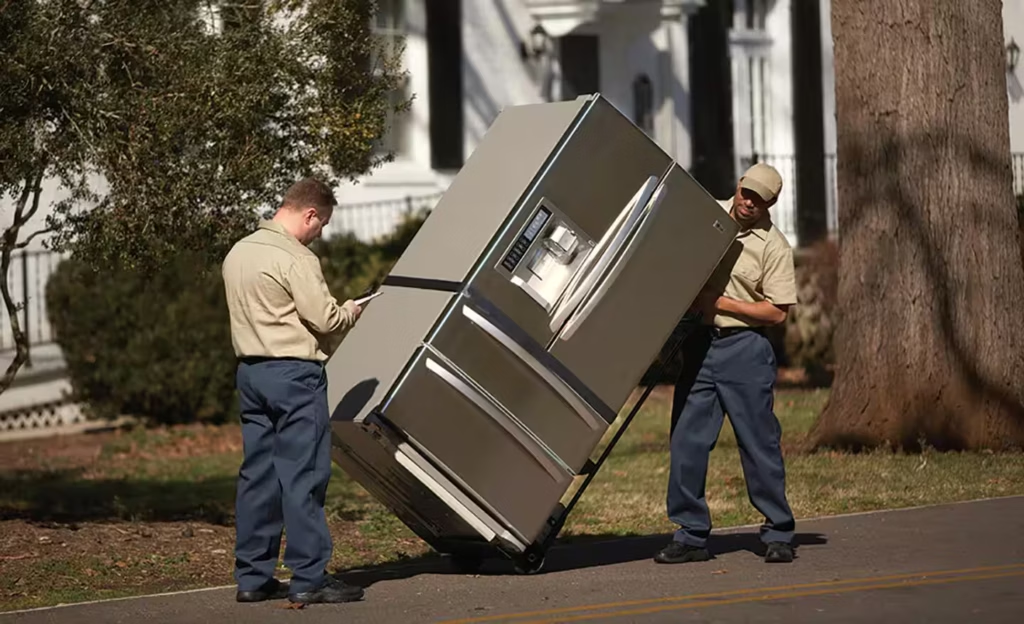
To ensure your appliances are moved correctly, using the right equipment is crucial. We’ve found that utilizing furniture sliders and dollies can make transporting heavy items much easier. For instance, look for a variety of furniture sliders on platforms like Amazon, as they help prevent damage to floors and allow you to maneuver large units with ease.
If you’re handling a refrigerator, consider acquiring an appliance dolly. This equipment functions well for various kitchen items and gives you the ability to manage even the heaviest items without straining yourself. Make sure it has straps to secure the appliance safely; you don’t want it to swing during transit. A model we recommend is the “Harper Trucks Heavy Duty Convertible Hand Truck,” which is frequently reviewed for its robustness and versatility.
While preparing to transport, be careful about the layout inside your vehicle. Make sure you left enough room to arrange items so they don’t bump into one another during transit. Today, many moving services offer notification features to alert you when your equipment is ready for pick-up from the warehouse, streamlining the process.
Before starting your task, take the time to read a detailed guide on moving appliances. This guide will help you understand the health risks associated with improper lifting techniques, ensuring you avoid any back injuries. Using features like rubber runners will provide extra grip and prevent slipping, offering added safety while you navigate around tight spaces.
By following these tips, you’ll simplify the process, making it more efficient and less stressful. Remember, the right equipment not only helps in the short term but also protects your appliances in the long run.
Gathering Necessary Supplies
Before tackling the relocation of your appliance, ensure you have all the right materials at hand. Start with proper blankets to protect the exterior. For the best protection, look for thick, padded moving blankets that can guard against cuts and dents during transport. This will save you money on future repairs and keeps everything looking brand new.
Next, gather tools like a dolly or hand truck. This makes it easier to maneuver across various surfaces without straining your back. Strong straps will help secure the appliance during transport, preventing it from moving or tipping over inside the vehicle. Using straps gives you extra safety while you’re driving to your new place.
If you’re moving perishables, plan ahead by having coolers or insulated bags ready. These will keep your food and drinks fresh until you get the chance to set your counters back up. A sturdy, sealed container for bottled drinks also prevents spills during the trip, ensuring they remain intact. After all, you don’t want to come home to a messy surprise!
Don’t forget to protect your floors and furniture in the new space. Consider using cardboard or special floor protection mats while navigating the appliance through your home. It’s a small step that can save a lot of hassle down the line. Look for listings on platforms like Amazon for durable materials that suit your needs.
Overall, being prepared with the right supplies turns a potentially stressful process into something much more manageable. After gathering everything, you’ll be able to ensure a smooth transition, and that’s the goal. Happy packing!
Measuring Doorways and Hallways
Start by measuring the width and height of doorways. Ensure there’s enough room for your refrigerator to pass through without forcing it, as tight spots could damage walls or appliances. A good rule of thumb is to allow at least a couple of inches of extra space on each side. If your refrigerator has removable parts like doors or shelves, consider taking them off to make the load more manageable.
Next, check hallways and turns along the path to your desired location. Measure the width and height of these spaces too, noting any potential obstacles such as light fixtures or corners. For a refrigerator that is heavily loaded with perishable materials, you’ll want a smooth path to avoid delays during pick-up. If you have a long hallway, test the turning radius of your refrigerator to ensure it can navigate corners without getting stuck.

Use a measuring tape to gauge the dimensions; keeping the refrigerator dimensions on hand is crucial. If you find tight spaces, consider hiring professional services from a local franchise that specializes in appliance handling. Their team can help facilitate the operations required to safely get your refrigerator where you need it. For instance, ensuring the wheels are functioning properly can make a big difference during transport.
In case your doorway has a swing-style door, remember to account for its full range of movement. It won’t be effective if the door swings into the path of your refrigerator. If necessary, adjust or temporarily remove these doors to make room. Use padding material, like timber or blankets, for additional protection during the transition.
Lastly, keep cords organized and secure while transporting your appliances. Avoid tangling or damage, which could lead to issues down the line. With careful planning and measurement, you can move your refrigerator without incident, ensuring that everything arrives intact and ready for action.
Powering Down the Fridge
Before you begin disassembling any appliance, it’s crucial to secure your refrigerator. Start by unplugging it well ahead of time to allow for any remaining ice to melt. Those long periods of being disconnected can prevent potential leaks. Make sure to empty the contents, including bottles and food items, to avoid hazardous situations during transportation.
There’s a graphic way to wrap up this process: once everything is out, use a screen video or visual guide that shows you how to properly secure the doors. Swing them closed and then wrap with stretch film to keep them in place. This prevents any accidental opening, especially when slide it onto a dolly.

If you have questions about what to do during shutdown, consider these precautions: wipe down any surfaces to avoid cross-contamination when you can. Consider products like a reliable moving blanket from Amazon to make everything easier and protect your appliance from scratches.
Sometimes, things might start to feel challenging. If so, consult local employee advice for your area. They often have tips tailored to your environment. Follow these simple steps and you’ll be able to ensure a smooth transition without the risk of doing anything wrong.
Q&A:
What are the first steps I should take when preparing to move a fridge?
Before moving a fridge, make sure to unplug it at least a few hours before the move. This allows the compressor to settle. Additionally, empty the fridge of all contents, including food and beverages. It’s also a good idea to clean the interior and exterior of the fridge to prevent any mess during the move.
Can I just lay the fridge down on its side for the move?
Laying a fridge down is not recommended as this can damage the compressor and other internal components. If it’s necessary to move the fridge horizontally, consult the manufacturer’s guidelines. If possible, keep it upright during the move to ensure it functions properly afterward.
Are there any specific tools I need for moving a fridge safely?
To move a fridge, you’ll need some basic tools and equipment. A dolly or appliance mover is essential for maneuvering the fridge, especially if it’s heavy. You might also want a set of moving straps and blankets to protect the fridge and walls during the move. Don’t forget to have someone assist you, as a fridge can be quite cumbersome to handle alone.
What precautions should I take to protect my floor while moving the fridge?
To protect your floors, lay down cardboard, plastic, or moving blankets in the path you’ll take with the fridge. This will prevent scratches and damage. Make sure to also keep the fridge upright and avoid dragging it across the floor, as this can cause severe damage to both the fridge and your flooring.
How long should I wait after moving the fridge before plugging it in?
After moving the fridge, it’s essential to wait at least 4 hours before plugging it in, especially if it was transported on its side. This waiting period allows the oil in the compressor to settle back into place. If the fridge has been laid down for an extended time, consult the manual for specific waiting times recommended by the manufacturer.


Handy. Came in really handy
Durable, Easy to Use, and a Great Value for Shipping or Moving. After using this six-roll pack of Scotch packing tape for both personal shipping and a recent move, I can confidently say it outperforms most options available in stores and at a better price.Each roll adheres securely to a wide variety of surfaces, including standard cardboard and recycled boxes that are often more difficult to seal. The adhesive is strong and reliable; boxes remained tightly sealed even after weeks of handling. The tape unrolls smoothly and cuts cleanly, whether you’re using a dispenser or tearing it by hand.What makes this set stand out is its practicality. It includes a handheld dispenser, which makes the process faster and reduces waste from tangled or misaligned tape. I’ve used this tape not only for sealing boxes but also for occasional quick household fixes, and it’s held up in all situations.While the rolls appear thick, they may run out sooner than expected if you’re using them for high-volume packing. Still, the convenience of having multiple rolls on hand more than makes up for it. For smaller operations, home organization, or preparing for a move, this bundle provides peace of mind and eliminates last-minute runs to the store.Bottom line: Strong grip, consistent quality, and a better value than retail store offerings. Whether you’re moving, running a small business, or just like to stay stocked up, this tape set is a smart buy.
1. Worked as it should
As described, fast shipping. As described, fast shipping
Strong and a great value. Great product and value. I appreciate the easy way to use and cut the tape. It’s also very very strong and a lot thicker than I thought it would be which is great! Closes my packages tightly for peace of mind shipping.
Scotch brand quality. Good quality. Good value. Easy to use and sticks well. I use it every time I need to mail a package and I never fails to hold well.