


A violently shaking washing machine is more than just a nuisance—it’s a sign that something is out of balance and can lead to premature wear, leaks, or even permanent damage to your appliance. Understanding the reasons behind washing machine shaking is the first step to a quiet, stable, and efficient laundry routine. From an uneven load and worn shock absorbers to a faulty drum bearing or improper installation, this guide will help you systematically diagnose the root cause and implement effective solutions to restore smooth operation.


When you’re running your washing machine, experiencing shaking can be a common frustration, but understanding the underlying causes is essential for maintaining your appliance’s quality and longevity. In most cases, the issue is not as daunting as it may seem and can often be addressed with a few practical steps. To help you efficiently tackle this problem, we’ll explore several common causes of shaking, as well as their solutions.

One of the likely culprits behind a shaking washing machine is improper loading. If the clothes inside the drum are not balanced, they can cause the appliance to vibrate excessively. This can lead to wear on components like the suspension system and may require expensive replacements if not addressed promptly. Additionally, if your washing machine is on a sliding surface, you might notice more noise and movement than usual, so it’s a good idea to check the stability of the appliance on your floor.
Another factor to consider is the condition of the washing machine’s drums. If they are damaged or if the suspension springs are wearing down, you may need the assistance of professionals for a thorough examination. Regularly checking for signs of wear and ensuring that your machine is maintained will help prevent bigger issues down the line. In conclusion, being proactive and knowledgeable about your washing machine can save you time, hassle, and costly repairs in the long run.
Understanding the Basics of Washing Machine Vibration
Washing machine vibration is a common issue that can often be traced back to several factors. If your appliance is shaking, it’s essential to assess the situation. One of the first things to notice is whether the machine is placed on a smooth, even surface. An uneven floor can cause the washer to operate improperly and may lead to costly repairs over time.
Another key aspect is the load inside the basket. If you often overload your washing machine or place items unevenly, the balance can be disrupted. This uneven distribution can not only lead to vibrations but also increased wear on parts like the motor and belt. For a handy solution, consider adjusting the load next time you do laundry, and take care not to stuff the washer with too many pieces at once.
Additionally, worn-out parts may contribute to vibration issues. Over time, components like shock absorbers or gaskets can degrade, causing the machine to wobble during the spin cycle. If you notice excessive noise or shaking, it might be time for a replacement. Regular maintenance can help extend your machine’s life; for this, you may want to call a professional service or, if you’re feeling confident, troubleshoot the issue yourself.
Another factor to consider is debris accumulation. Dust and dirt can accumulate at the base or within the machine, affecting its operation. It’s recommended to clean the area around the washing machine regularly, ensuring nothing is sticking to the feet of the appliance. This simple task can improve accessibility and help maintain smooth functionality.
If you find that the vibration persists, it’s advisable to take immediate action. Ignoring vibration can lead to more severe errors down the line. Various solutions such as installing vibration pads or adjusting the feet of the machine can help stabilize it. You can find affordable vibration pads on Amazon, which often offer customer reviews to estimate their effectiveness.
In summary, whether it’s an accessibility issue due to flooring or a deeper problem like worn-out components, addressing washing machine vibration doesn’t have to be a daunting task. Sometimes, all it requires is a bit of adjustment or replacement of worn parts. Always listen to your appliance–it’ll help you determine the best next steps for a smooth laundry experience!
How Does a Washing Machine Work?
A washing machine is a complex unit that combines various components to effectively clean your clothes, towels, and other fabrics. Typically, the process begins when water is accessed through the drain and fills the drum. For a more powerful wash, some units like the Whirlpool models have bigger drums that can handle larger loads.
The washing machine operates using a series of cycles, each designed to handle different types of garments and dirt. Here’s a breakdown of key components involved:
- Drum: The main basket where clothes are placed. It rotates to create the agitation necessary for cleaning.
- Filter: This component catches lint and debris during the wash to ensure clean water circulates.
- Motor: Drives the basket and generally operates quietly, reducing noise, especially during the spin cycle.
- Damping materials: Often made of rubber, they reduce vibrations and keep the machine steady on flat floors.
During a wash cycle, water fills the drum and is mixed with detergent. Depending on the selected settings, the machine may agitate for a specific amount of time before draining the soapy water. If you know how to inspect your washer, you might find that many common issues stem from improper usage or maintenance, which can affect the machine’s life.
While washing machines typically come with a warranty, it’s important to understand what’s covered and what might lead to cancellation. For example, excessive tear from overloading the drum can void the warranty. Moreover, if you ever encounter a problem, the error codes displayed can guide you in troubleshooting.
At times, manufacturers offer additional services for unit inspection, which can be a smart plan to extend the life of your machine. Investing a bit in maintenance is more cost-effective than waiting for a major breakdown that could require expensive repairs. Here’s an example of a washing machine maintenance kit found on Amazon: Washing Machine Repair Kit.
Overall, the functionality of your washing machine depends on the quality of the materials and how well you maintain the components. By taking simple measures to care for your washing machine, you can ensure it runs smoothly for many cycles to come.
What Are Normal Levels of Vibration?
When considering your washing machine, particularly front-load models, it’s essential to have a grasp of what constitutes normal vibration levels. Typically, this appliance should experience a little movement during the spinning phase. If you notice considerable shaking or banging, it might indicate an underlying issue that needs attention.
In general, most machines, including popular brands like Amana, have been designed to minimize excessive vibration. Standard units will exhibit mild vibrations that do not lead to instability. You shouldn’t hesitate to examine your machine if it seems to be making a boom or additional noise, as this can cause wear and tear over time.
Some common reasons for increased vibrations include uneven loads, improperly leveled legs, or inadequate placement on a solid surface. If your washing machine is placed on wood flooring, ensure the unit is stabilized with vibration absorbers or mats to prevent any issues. Products designed for washroom stability can help mitigate excessive movements and ensure smooth operation.
Preventative measures, such as regular inspections and placements on sturdy grounds, can greatly help in maintaining the longevity of your appliance. If you experience delivery cancellations or issues with your machine’s operation again, consider understanding the science behind its mechanics. This can help you feel more comfortable and knowledgeable about what to look for, ensuring your laundry days remain hassle-free.
For ongoing stability, remember to check the inner workings of your unit for any loose parts or necessary adjustments. Keeping this in mind can help you optimize the performance of your washing machine, so you can enjoy efficient operation without the need for costly fees related to repairs.
With a little attention and understanding, you’ll be able to enjoy a well-functioning washing machine that won’t disrupt your household any longer. If further assistance is needed, devices or kits for vibration management can be found on platforms like Amazon, offering various options suited to your needs.
Common Reasons for Excessive Shaking
Have you ever experienced your washing machine thumping and banging during a cycle? It’s a common issue that can occur with various models, especially with front-loading machines. One of the primary reasons for excessive shaking is when the load is unbalanced. When washing items of different shapes or weights, it can cause the drum to become unstable, which leads to that disturbing humming noise. Balancing your load by redistributing items or using similar weights can significantly reduce the bounce and prevent damage to your machine.
Another factor that can contribute to this issue is the wear and tear of the shock absorbers. Over time, these components may lose their effectiveness, making the machine less stable during the spinning cycle. If you notice that the absorbers are worn, it might be time for a replacement. To maintain optimal performance, it’s advised to check and replace these parts regularly. Luckily, you can find reliable shock absorber kits on platforms like Amazon, such as the “Whirlpool Washing Machine Shock Absorber” which can help restore your machine’s dampening capabilities.
Sometimes, the machine’s leveling could be the culprit. An uneven surface can lead to unnecessary rocking and rolling during operation. To ensure safety and improve the efficiency of your washing machine, regularly check that it sits flat on the floor. You can use adjustable feet to keep it stable. If you’re looking for a quick solution, consider the “Vibration Pads for Washing Machines” available on Amazon, which can help keep your washer in place and reduce the noise caused by excessive movement.
In addition to mechanical issues, sometimes it’s the technology itself that can cause problems. Some machines are designed with features that enhance performance but may also lead to excessive shaking if not properly maintained. Regularly cleaning your machine and ensuring the drum is free from debris will help keep it in good shape. Remember that timely service can save you costly repairs down the line.
In summary, the most common reasons for excessive shaking include unbalanced loads, worn shock absorbers, uneven surfaces, and maintenance issues. By paying attention to these details, you can enjoy a quieter and more efficient washing experience. If you find that your machine is still causing problems after trying these solutions, it may be time to consult a professional service for assistance.
| Common Issues | Potential Solutions |
|---|---|
| Unbalanced Load | Redistribute items evenly |
| Worn Shock Absorbers | Replace with new absorbers |
| Uneven Surface | Adjust leveling feet or use vibration pads |
| Improper Maintenance | Regular cleaning and servicing |
Identifying Issues with Shock Absorbers in Front-Loading Washers
If you’re experiencing shaking or vibrations in your front-load washer, one of the underlying issues could be related to the shock absorbers. These components play a crucial role in dampening the movement of the drum during a wash cycle. When they wear out or become damaged, your washer might produce excessive noise or shake violently in the laundry room.
To get started, you should regularly check the shock absorbers for any signs of wear and tear. Look for pieces that seem loose or have visible damage. You might notice that the shocks are leaking fluid or are not fully extending and retracting as they should. If you’ve made an appointment for repairs, make sure the invoice includes services for checking these components as well.
It’s important to address the issue promptly. If the problem happens periodically, it could escalate to more significant operational failures in the future. For instance, if the drum isn’t being stabilized properly, it could lead to damage to the bearings or other parts of the washer. Having a proactive plan in place, such as regular cleaning and maintenance, could save you time and money.
- Consider using anti-vibration pads to prevent excessive shaking.
- Always clean the lint filter and surrounding area to maintain efficiency.
- If you notice any unusual sounds, don’t hesitate to check the corners of the machine.
Addressing shock absorber issues could mean that you need to replace them or that you simply need to tighten some loose bolts. You can access these parts yourself if you know what to look for. Just keep in mind that working on your washer could void any warranties, so always weigh your options.
If you decide to handle repairs on your own, make sure to plan ahead and gather all necessary tools. For those who prefer to hire professionals, you should expect several payments for services rendered, plus the cost of any parts needed. It’s always a good idea to research products beforehand, like the shock absorbers available on Amazon, to ensure you’re getting a good deal.
In summary, if you’re experiencing issues with your front-load washer shaking, checking the shock absorbers should be your first step. Whether it’s a simple adjustment or a more extensive repair, addressing these concerns will keep your washer running smoothly for years to come. Make sure to familiarize yourself with the components and don’t hesitate to seek help if necessary!
What Are Shock Absorbers and Their Role?
Shock absorbers play a crucial role in your washing machine’s performance. They help to minimize vibrations and noise during a wash cycle, ensuring that your machine operates smoothly and quietly. Without proper shock absorbers, your machine can experience excessive strain, leading to issues like sliding or even cancellations of cycles. This technology is essential to stop the constant noise that can come from an unbalanced load or worn parts.
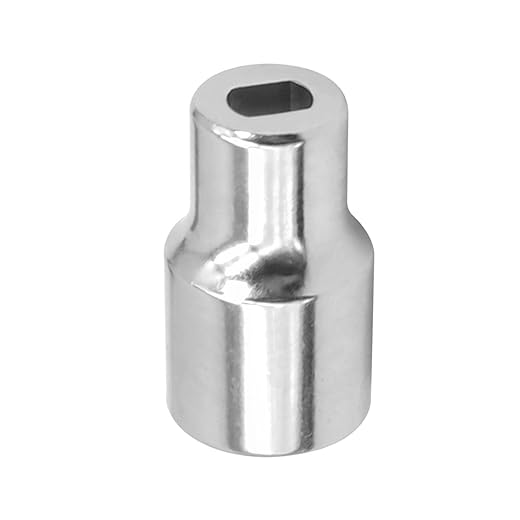
Most modern washing machines, like those from Kenmore, are designed with high-quality shock absorbers that are adjusted to work effectively across various sizes and load types. If you’ve experienced a shaking machine, it might be time for you to check these parts. You can often find replacement shock absorbers online if you want to tackle the repair yourself. For instance, you might look for products like the “Washing Machine Shock Absorber for Kenmore” to ensure you get the right fit for your appliance.
When you’re considering adjustments, remember that the shock absorbers should be securely mounted and shouldn’t have any visible damage. Additionally, they should perform well under the loads you use. It’s best not to hesitate upon any signs of performance issues; it can save you from further damages down the road. Each period of use adds wear, so keeping an eye on these essential items is key.
If you’ve noticed vibrations that stop when you lightly press on the machine, this might indicate that the shock absorbers are not performing their job efficiently. This error could be a result of improper adjustments or simply needing replacements. Thankfully, these parts are designed to be easily swapped out, and once you’ve made the necessary changes, you should notice a substantial difference in your machine’s operation.
In conclusion, shock absorbers are vital parts of your washing machine that protect it from excess vibrations and noise. By paying attention to their condition and adjusting or replacing them as needed, you can ensure your washing machine performs at its best. Whether it’s finding the right size item or doing the repair yourself, keeping these parts in check will extend the life of your appliance.
Symptoms of Failing Shock Absorbers
If your washing machine starts shaking too much during its cycle, there may be several reasons behind this. One common issue that leads to excessive movement is defective shock absorbers. These essential devices help keep the washing drum stable, absorbing vibrations and ensuring everything operates smoothly. When shock absorbers fail, you might notice that the drum’s movement isn’t well-controlled, leading to a noisy experience and an unbalanced load.
Regularly checking the condition of these items is crucial. Inspect for any signs of wear or debris buildup around the shock absorbers. If they appear damaged or you notice broken pieces, it’s crucial to plan a timely replacement. Ignoring this issue might lead to further damage over time. The pros of replacing shock absorbers are numerous; it enhances the washing machine’s efficiency and extends its lifespan. Remember, efficient damping is the key to keeping everything in balance.
Sometimes, small items, like coins or debris, can interfere with the shock absorbers’ functionality. If you’re finding your machine unusually noisy or experiencing excessive shaking, look for these foreign objects. Cleaning regularly around the washer can help prevent such issues. In addition, using anti-vibration pads can help stabilize your machine on the floors, making everything move more smoothly.
When considering a solution, think about both the accessibility and durability of replacement shock absorbers. There are many options available on platforms like Amazon. For example, the “WEN Handyman Washing Machine Shock Absorber” or “LG Shock Absorber” are great choices that can help maintain the shape and balance of your washer. Investing in high-quality devices prevents problems down the line, ensuring your washing machine runs as intended for years.
If something feels off, don’t delay your action. By checking and replacing defective shock absorbers, you’re taking essential steps toward maintaining your washing machine’s performance. Stay on top of this maintenance, and your machine will continue to run efficiently, keeping noisy vibrations at bay.
How to Inspect Shock Absorbers for Damage
When your washing machine starts making banging or wobbling noises, it could be a sign that your shock absorbers are damaged. These crucial components help keep your machine balanced during the spin cycle. To perform a proper inspection, you’ll first want to ensure that your machine is unplugged for safety. Lets dive into the steps required for checking these components.
Begin by removing any access panels, typically found on the back or underside of the machine. Most manufacturers, including Kenmore, design these panels for easy access. After removing them, check the condition of the shock absorbers, which are usually plastic rods that connect the drum to the frame. If you notice any signs of wear, such as cracks or a bubble effect, it’s time to address the issue. Look for rust or corrosion, which could indicate a major problem.

During your diagnosis, gently lift the drum to see if it moves within the bounds set by the shock absorbers. If it wobbles excessively even without any load, that’s a clear sign that they may need replacement. Remember, checking these components periodically can ensure the longevity of your washing machine and prevent further damage.
After inspecting, should you find that your shock absorbers are indeed damaged, you may want to consider ordering replacements from a reputable source like Amazon. It’s essential to get the right model for your machine; simply search for “washing machine shock absorbers” along with your brand name for accurate results.
And here’s a pro tip: don’t hesitate to call for assistance if you’re unsure or need help with installation. It’s better to seek a tech’s help rather than risk making the situation worse. With proper care and by addressing issues immediately, your washing machine will provide years of trouble-free service.
Q&A:
What are the common reasons my washing machine shakes during a cycle?
There are several reasons why your washing machine may shake or vibrate excessively. One of the most frequent causes is that the machine is not level. If the feet of the washer are not properly adjusted, it can lead to instability. Another possible reason is an unbalanced load; when heavy items are mixed with lighter ones, the drum may wobble. Additionally, worn-out shock absorbers or dampers can contribute to shaking. Lastly, a faulty suspension system may also cause excessive movement. Checking for these issues can help resolve the shaking problem.

How can I fix a washing machine that shakes excessively?
To address a washing machine that shakes, first ensure that the appliance is level by adjusting its feet. All four corners should touch the ground evenly. Next, inspect the load in the drum to ensure it’s balanced, distributing heavier items around lighter ones. If the shaking persists, examine the shock absorbers; if they appear worn out, replacing them could solve the issue. Additionally, check the suspension springs for any signs of damage. If these solutions do not resolve the shaking, you may need to consult a technician for a more in-depth inspection.
Is it normal for a washing machine to shake during the spin cycle?
It’s common for washing machines to vibrate to some degree during the spin cycle, as this is when the drum rotates at high speeds. However, excessive shaking is not normal. If your machine is moving around or making loud noises, it likely indicates a problem, such as an unbalanced load or leveling issues. You should investigate the source of the shaking to avoid potential damage to the appliance or your flooring.
What steps can I take to prevent my washing machine from shaking in the future?
To minimize the chance of your washing machine shaking in the future, start with ensuring it is on a flat, stable surface, with all four feet properly adjusted. Regularly redistributing clothes to maintain a balanced load can also help. Avoid overloading the machine, as this can lead to unbalanced spins. Finally, perform routine maintenance checks on the suspension system and shock absorbers to catch any wear before it affects performance. Taking these preventive measures can help prolong the life of your washing machine.


Heavy duty and help with the vibration and noise. After a recent move, we now have our dryer next to our main living space and it is on tile floor. And it was so loud! You could feel the floor shaking in the next room over. We adjusted the feet of the dryer and made sure it wasn’t bumping against anything and even checked to make sure the inside didn’t get messed up from the move, but nothing helped. These pads did not make the dryer silent, but it did bring the noise level down significantly and you no longer feel the ground shake. They are really durable and heavy duty. They are rubbery and don’t slip. As others have mentioned, they have an intense smell when you open the box, but we haven’t noticed a smell since getting them in place.
It works great. This worked and stopped my washer from moving. Quality was good my washer is quiet again.
Most important to know? THEY WORK. Our floor was so uneven and we could not quite get the support legs extended/shortened to get the washer completely in level. So we thought we would try these. WOW! It was fantastic and the washer has not move at all even when the load gets a little off balance. We have been putting up with this washer for three years, but these Vibration pads were the answer.
The shaking and rattling during the spin cycle has been greatly reduced. I purchased these anti-vibration pads for my stackable washer and dryer, and they made a noticeable improvement. The shaking and rattling during the spin cycle has been greatly reduced, and the unit now feels much more secure and stable. Installation was quick and easy. Excellent product for anyone with a stacked setup.
Nice Quality. Easy to install, works well and supported my commercial sized washer. Now need some for the dryer.
Washer does not move. These work great. I have a smooth epoxy floor in my laundry room and my washer moved way too much. We installed these, leveled it and the washer doesn’t move anymore. Excellent design.