


Over time, washing machines, regardless of their type, can become a breeding ground for unwanted mold and grime. This growth not only leaves behind unpleasant smells but can also affect the efficiency of your appliances. Luckily, maintaining a clean machine is easier than you might think! In this guide, we will explore powerful solutions and easy habits to keep your machine mold-free.



Each wash cycle introduces moisture into the washing machine, creating an environment where mold can thrive. To combat this, it’s essential to regularly inspect and clean the various components, including the glass door, detergent drawer, and drum. Using special solutions like distilled vinegar or bicarbonate of soda works wonders in removing limescale and eliminating smells.
Adopting a few simple practices, such as leaving the door ajar after a load to allow for airflow, can significantly reduce moisture levels behind the seal and in the nook of the machine. In this editorial, we will guide you through the necessary steps to effectively remove mold, ensuring your washing machine remains in top condition for years to come.
Cleaning Moldy Seals
Cleaning moldy seals in your washing machine is crucial for ensuring your laundry smells fresh and stays free from unwanted stains. Mold can hide in the gaskets and seals that hold moisture, causing residual stains and unpleasant odors. Over time, this gunk can affect the overall performance of your machine. To clean these areas effectively, you’ll want to gather a few items, including a bucket, towel, sponge, and a suitable cleaner. A piece of cloth is also helpful for wiping down surfaces after cleaning.
Start by inspecting the seals around the door of your washing machine. This is where you might find unseen mold or leftover residues. Using a simple technique, collect any visible debris and be sure to empty your bucket regularly as you work. Apply a cleaner approved for mold removal, or a mixture of bicarbonate soda and water for a natural alternative. This makes a great environmentally friendly option to loosen any stubborn spots without relying on harsh chemicals.
After applying the cleaner, let it sit for a few minutes before wiping with a damp towel or sponge. Make sure to clean between the gaskets, as this space can often hold additional unwanted grunge. For those particularly tough stains that have been left for months, you may need to repeat this process a couple of times. Keeping your washing machine seals clean ensures that the fabric of your clothes stays in good condition over the years.
Today, you have a variety of products at your disposal for this purpose. Consider trying items like the Mold Remover Cleaner or a Bicarbonate Soda Cleaner to make this task easier. Both of these products can effectively help in deodorizing and keeping your machine free from the unwanted build-up of mold and gunk.
By breaking down the cleaning process into these simple steps, you’re empowered to tackle moldy seals without the stress. Regular inspection and maintenance will prevent mold from becoming a long-term problem, ensuring your washing machine remains efficient and your laundry stays fresh.
Identifying Mold in Washing Machine Seals
Identifying mold in washing machine seals is crucial to maintaining a fresh and clean laundry experience. The seals, often overlooked, can be a source of unseen problems that may affect your clothing and the performance of your machine. Today, we’ll guide you through visual checks and methods to ensure your washing machine is free from mold and bacteria.
Start by checking the folds of the rubber seals around the door. These folds can collect residual moisture, causing scum and mold to thrive. Use a flashlight to spot any dark stains, which could indicate mold growth. The problem usually worsens when you neglect to clean softener dispensers, as fabric softeners can leave behind a sticky residue. This is where mold can form over time if not cleaned properly.
- Here’s a simple checklist to help you:
- Check the large seals for any visible stains.
- Inspect the trays where softeners are added.
- Look outside the drum, especially around the agitator.
- Keep an eye on the areas below the seals–this is often a hotspot for growth.
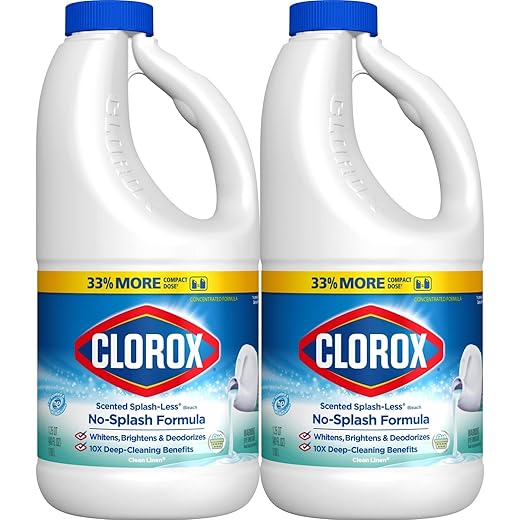
If you notice mold, don’t panic. Luckily, there are specialized cleaning methods to address the issue. A thorough cleansing process includes using a bleach solution or store-bought cleaners specifically designed for this purpose. For example, a product like Affresh Washing Machine Cleaner can help effectively remove stains and odors. You can also create a DIY cleaner by mixing equal parts of bleach and water. Apply your chosen cleaning solution on the seals using a towel and allow it to sit for a few minutes to cleanse away any mold and bacteria.
After cleaning, it’s essential to circulate air through the machine to decrease moisture levels and prevent mold from returning. You can run an empty cycle with hot water or leave the door open for some time after washing. This extra step is vital for keeping your washing machine impeccably clean. Remember to pause your washing routine occasionally to perform these checks and ensure cleanliness–your laundry will thank you!
In conclusion, mold in washing machine seals is a common issue but can be managed with proper care and regular maintenance. By following these instructions and keeping an eye on those often-forgotten areas, you can keep your washing machine fresh and save time in the long run. Check today to ensure you don’t let this unseen problem linger!
Recommended Cleaning Supplies for Seals
Maintaining the seals of your washing machine is crucial for preventing mold buildup and ensuring that your machine runs efficiently. Over time, moisture can collect around the door and other seals, leading to unpleasant smells and potential leaking issues. To combat this, you’ll want to gather the right cleaning supplies that can naturally and effectively tackle the sources of mold.
One powerful agent you might want to consider is a baking soda tablet. These tablets, when used regularly, can help neutralize odors and break down any mold that builds up over time. Just push one into your washing machine’s detergent compartment and run a cycle. It’s a simple, step-by-step action that could transform the inside of your machine within an hour.
An excellent choice for deeper cleaning is a specialized mold remover that you can find on sites like Amazon. Look for products designed specifically for washing machines–they do the heavy lifting by targeting the surfaces where mold thrives. For example, consider using a product like “Affresh Washing Machine Cleaner,” which works wonders for keeping the seals white and fresh. Just click and grab it for your next household cleaning session!
Lastly, don’t underestimate the power of regular maintenance. By exploring various cleaning agents and regularly using them, you can prevent mold from coming back again. By selecting the right products and using them weekly, you drastically reduce the chances of mold emerging. Remember, cleaning the seals isn’t a daunting task, and with the right supplies, it can be done quickly and efficiently. So, let’s keep those washers in top condition and enjoy fresh clothes every time we wash!
Step-by-Step Process to Clean Seals

Cleaning the seals of your washing machine is essential for maintaining its freshness and ensuring efficient operation. These often-overlooked areas can accumulate dirt, mold, and limescale, leading to unpleasant odors and even leaking. Today, we’re going to walk you through a step-by-step process to achieve spotless seals on your front-loading washers.
To get started, inspect the rubber seals around the door and the drain area. Look for any signs of mold or wear. Make sure to check the bottom area of the seals where dirt tends to collect. If you find any build-up, it’s time to address it. You’ll want to begin by gathering your cleaning supplies: a soft cloth, a toothbrush for tighter spots, and a homemade solution made from equal parts water and white vinegar for effective cleaning.
Once you have your supplies ready, apply the solution to the seals using the toothbrush. Start wiping in a circular motion, ensuring you get into all the nooks and crannies. This helps to break away any tough grime that might be hiding. Repeat this process until you have achieved desired results. If needed, an abrasive sponge can be used, but be cautious to avoid damaging the seals.
For machines with multiple trays or compartments, such as different models for powder or liquid detergent, ensure these areas are also cleaned. Removing any plastic trays and wiping them down can help maintain cleanliness, enhancing the overall performance of your washing machine.
After you’ve completed the cleaning, let everything air dry before closing up the machine. Regular maintenance like this, around every month or so, will greatly improve the freshness of your laundry, preventing buildup and keeping your washer in top shape for years to come.
Remember, keeping your washing machine seals clean is key to avoiding unpleasant surprises during your next wash cycle. You’ll love the results when you see how easily you can maintain your machine with this simple process!
Preventing Mold Growth on Seals
Maintaining your washing machine is crucial to avoid mold problems, especially in the seals. These areas tend to collect fabric debris and moisture if not given enough attention. Mold can thrive in the small crevices that are often overlooked, so it’s important to have a solid cleaning routine. Regularly checking and cleaning these seals will help contain any mildew and keep your machine in great condition.
Using a soft-bristled brush, you can carefully clean the surface of the seals. This method allows you to get into those little crannies where mold often starts. Focus on areas where moisture may leak or where fabric softener and detergent residue can build up, such as around the front loading compartment and the drawers. It’s a good idea to repeat this cleaning every few weeks to ensure freshness.
For those stubborn stains, you might want to consider using a special cleaner designed for removing mold. Many of these cleaners are white vinegar-based, providing a natural solution for removing mildew without harsh chemicals. For instance, products like OxiClean or Zep Mold & Mildew Stain Remover can be your new favorite go-tos when dealing with these issues. They do a great job cleaning and keeping your washer smelling fresh.
Sometimes, simply running an empty load with a cup of white vinegar will do wonders. It breaks down any buildup and helps freshen the interior without the need for heavy-duty cleaners. Just make sure to follow that with a rinse cycle to remove any leftover debris. Keeping your washer clean is as simple as paying attention to a few key areas!
Removing Odors from Washing Machine Drums
Washing machines can sometimes develop musty smells due to accumulated scum and damp conditions. This is especially true if you tend to keep the door closed and your machine isn’t allowed to breathe. If you’ve noticed unpleasant odors coming from your appliance, don’t worry! Here’s a simple guide to deodorizing your washing machine efficiently.
One of the best ways to tackle those odors is to explore the different sources where bacteria might be hiding. Start with the detergent dispenser, as it often contains fabric softeners and other substances that can grow mold over time. A specialized soft-bristled toothbrush can help you reach into those small crannies. Here’s a tip: when you’re done cleaning the dispenser, sprinkle some baking soda inside the drum and let it sit for a few hours to absorb any lingering smells.
Another effective combination to combat odors is a mixture of bleach and water. Fill the drum with this solution, set your machine to the hottest cycle, and run it while empty. This process will help drain away any buildup and ensure a fresh-smelling environment for your clothes. Just remember to follow the instructions on the bleach label carefully to avoid damaging any components of your appliance.
For routine maintenance, consider using a flexible washer cleaning tablet, which you can find on Amazon. These products help remove accumulated grime and eliminate unpleasant smells. Just place the tablet in the drum and run a standard cycle. Over the years, this routine will keep your washing machine smelling fresh and your clothes coming out clean and odor-free.
Lastly, always be sure to leave the door of your washing machine ajar to allow air circulation after using it. This small step can go a long way in preventing those musty smells from returning. With these tips, you can ensure that your washing machine remains one of your favorite appliances for years to come!
Q&A:
What causes mold to grow in washing machines?
Mold can develop in washing machines due to a combination of moisture and organic materials. Washing clothes frequently introduces water, which creates a damp environment. If there’s leftover detergent, fabric softener, or dirt in the machine, these can provide food for mold spores. A lack of ventilation also contributes to the problem, as closed doors and lids trap humidity, preventing it from drying out.
How can I tell if my washing machine has mold?
Signs of mold in a washing machine include a musty smell, visible black or green spots on rubber seals or inside the drum, and dark stains on freshly washed items. If you notice these indicators, it’s likely that mold is present and needs to be addressed to maintain the machine’s performance and cleanliness.
What are some effective methods to clean mold out of a washing machine?
To clean mold from your washing machine, you can use several methods. A popular approach is to run a hot water cycle with a mixture of white vinegar and baking soda. Another effective method involves using bleach diluted with water. Whichever method you choose, make sure to wipe down all surfaces, especially the rubber gaskets and detergent dispensers, afterward. Regular cleaning can help prevent mold from returning.
How often should I clean my washing machine to prevent mold growth?
It is advisable to clean your washing machine at least once a month to prevent mold growth. If you frequently do laundry with high-temperature loads, you might need to clean it less often. However, if you use cold water cycles or notice any mold symptoms, consider cleaning more frequently, perhaps every two weeks, to maintain a fresh and mold-free environment.

Other Articles

Discover the Best Washing Machines That Make Laundry a Breeze
Common Causes of Washing Machine Leaks and How to Repair Them Easily
