

Air fryers have transformed modern home cooking by offering crispy, golden results with significantly less fat than traditional frying methods. However, many home cooks still ask: do air fryers need oil to cook food properly? The answer depends on the type of food, desired texture, and cooking method you are using. Understanding when and how to use oil in an air fryer can help improve flavor, prevent sticking, and achieve better browning.
- Air fryers need only a light coating of oil for browning and crispiness on many fresh foods.
- Frozen pre-fried items and fatty meats usually require no extra oil; cook them straight from frozen or as-is.
- Use high smoke point oils like avocado or refined canola to avoid smoke and off flavors.
- Apply oil sparingly with a refillable mister or toss in a bowl; avoid aerosol sprays that harm nonstick coatings.
- Do not overcrowd the basket; single layer and shaking mid-cycle prevent steaming and soggy results.
While air fryers are designed to cook using circulating hot air, a small amount of oil is often recommended to enhance crispiness and moisture balance. Some foods, such as frozen pre-fried items, may require little to no additional oil, while fresh ingredients like vegetables or homemade fries usually benefit from a light coating. Learning whether air fryers need oil and how to use it correctly helps you get the best results while keeping meals healthier and lower in fat.
In this guide, we explain when you need oil in an air fryer, when you can skip it, and how to use oil safely to improve texture, flavor, and overall cooking performance.

Yes, these popular convection ovens typically require a minimal amount of fat to achieve optimal results. While the rapid circulation of superheated air performs the primary task of browning and crisping, a light coating is crucial for texture and color. Many prepared foods, like frozen fries or chicken wings, contain their own internal lipids, so adding extra is often unnecessary. For homemade dishes, a mere teaspoon or a quick spritz can make a significant difference.
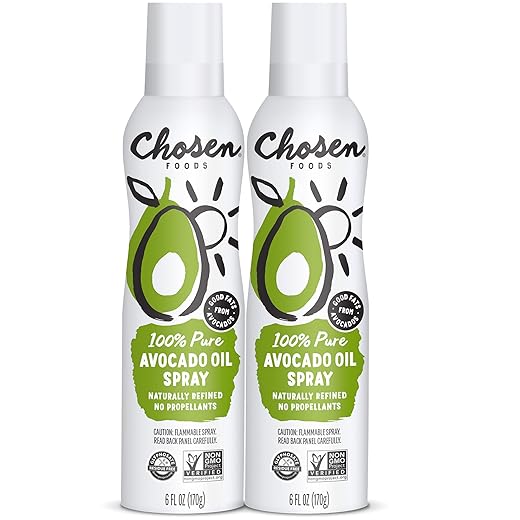
Employing a dedicated kitchen spray, such as the Chosen Foods Avocado Oil Spray or the Pam Original Cooking Spray, ensures an even, thin layer without saturation. This method is key to creating a crispy exterior while keeping meals notably healthier than traditional deep-frying. The goal is to aid the Maillard reaction–the chemical process responsible for browning and flavor–not to submerge your ingredients. For successful cooking, always pat proteins and vegetables dry before applying any lipid.


Adapting your favorite recipes is straightforward: reduce or eliminate added oils, relying instead on the appliance’s powerful fan. Items like marinated vegetables, breaded fish fillets, or even certain baked goods achieve excellent crispness with just a mist. The Philips Avance Collection or the Ninja Foodi models excel at this efficient technique. Ultimately, mastering this tool means understanding that you need far less fat than conventional methods, unlocking a simpler path to delicious, healthy meals.
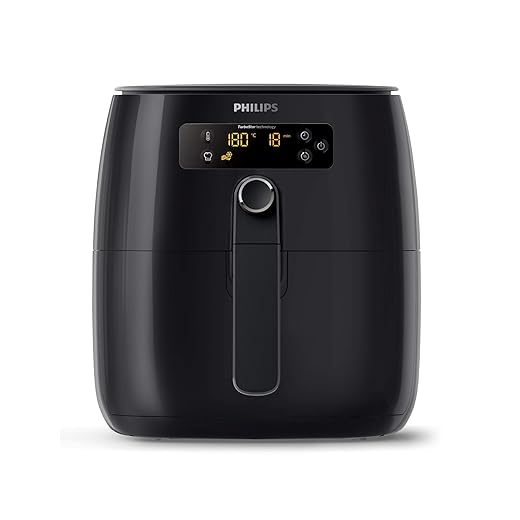
Philips Airfryer, Avance Turbo Star, Digital, Black, HD9641/96
Do Air Fryers Need Oil for Crispy Cooking?
For most foods, a minimal amount of fat is required to achieve that signature golden, crispy texture. The appliance’s rapid circulation technique dries surfaces quickly; a light coating helps conduct heat and promotes browning.
Natural high-fat items like sausages, chicken thighs, or frozen fries often cook successfully without any added grease. Conversely, vegetables, tofu, and lean proteins typically need a light spritz. A product like the Evo Oil Sprayer or Chosen Foods Avocado Oil Spray allows for fine, even misting without propellants.
For optimal results, toss ingredients in a bowl with just half a teaspoon of your chosen fat per serving before loading the basket. This ensures complete coverage. Avoid aerosol sprays with lecithin, as they can damage the basket’s non-stick coating over time.
Many healthy recipes, from roasted chickpeas to crispy Brussels sprouts, rely on this principle. The key is understanding that while deep-frying submerges food, this method only requires a thin veneer to mimic the same satisfying crunch with up to 80% less dietary fat.
The Complete Guide to Oil and Your Air Fryer
For most foods, a light coating is required to achieve a golden, crispy finish. The appliance’s rapid circulation works by reacting with surface fat.
Directly applying a pure oil like avocado or refined olive is often better than commercial sprays, which can contain propellants like lecithin that may damage the non-stick basket over time. Consider a refillable misting bottle, such as the Misto Brushed Aluminum Oil Sprayer, for controlled application.
Some preparations, like reheating pizza or cooking lean fish fillets, benefit from just a half-teaspoon brushed on. Dense vegetables like Brussels sprouts or potatoes typically need a full tablespoon tossed thoroughly before crisping.
| Food Type | Recommended Oil & Amount | Application Method |
|---|---|---|
| Fresh Vegetables (e.g., broccoli) | 1/2 – 1 tbsp Avocado Oil | Toss in a bowl |
| Frozen Pre-fried Items (e.g., fries) | None usually required | Cook directly from frozen |
| Chicken Wings (skin-on) | 1 tsp Peanut Oil | Pat dry, then lightly brush |
| Breaded Items (e.g., chicken tenders) | Light spray of Canola Oil | Spray after placing in basket |
Many frozen, pre-fried foods contain enough fat and do not need extra. Always check if your recipe specifically calls for it. For homemade breading, a quick spritz post-arrangement in the basket ensures even browning without sogginess.
Experiment with high-smoke-point varieties: grapeseed for neutral flavor, or a touch of toasted sesame for Asian-inspired dishes. The key is minimal, targeted application–excess will cause smoke and uneven results.
The Core Principle: How Air Frying Works Without Deep Frying
Forget submerging food; this appliance functions as a compact, powerful convection oven. A high-speed fan circulates superheated air at approximately 400°F (200°C) around the cooking chamber, creating a rapid Maillard reaction on the food’s surface for crispness.
A light spritz of cooking spray, like Pam or an avocado oil mister, is often the only fat needed. This minimal coating enhances browning and prevents sticking, unlike the quarts required for submersion cooking. For optimal results, toss ingredients in a bowl with just half a teaspoon of a high-smoke-point fat like grapeseed oil before loading the basket.
Popular models like the Ninja Foodi or Cosori utilize this focused airflow to mimic the texture of deep-fried foods. The key is ensuring items are in a single layer, never overcrowded, to allow the current to contact all surfaces directly. For even crisping, shake the basket halfway through the cycle, as recommended for foods like french fries or chicken wings.
Sign in or create account
When to Skip the Oil Entirely
Omit the fat for foods with high natural moisture or sufficient surface starch that crisps via dehydration alone.
Completely dry the exterior of these items before cooking. Pat proteins and vegetables thoroughly with paper towels to eliminate surface water, which is the true enemy of crispness.
- Frozen, Pre-Battered Products: Items like the Gorton’s Beer Battered Fish Fillets or Ore-Ida Crispy Crowns contain oils and leavening agents designed to activate in hot air. Adding extra fat can cause smoke and sogginess.
- Processed Meats: Sausages, hot dogs, and bacon strips contain ample internal fats that render out. For bacon, a rack like the Cooler Kitchen Air Fryer Bacon Rack maximizes airflow and drainage.
- Vegetables with High Water Content: Zucchini, tomatoes, or leafy greens will steam and become limp. For successful cooking, they are better suited to roasting or sautéing.
- Reheating Previously Fried Foods: Leftover french fries or takeout fried chicken already have a cooked oil coating. The appliance’s function is to re-crisp, not add more grease.
- Wet Batters & Doughs: Liquid batter, as for tempura or funnel cake, will drip and create a mess. Stick to pre-baked goods or dry coatings.
For lean proteins like skinless chicken breast or shrimp, a light spritz is still recommended to aid browning and prevent sticking to the basket. The key is identifying items where added fat is a hindrance, not a requisite for texture.
When a Little Oil Makes a Big Difference
Apply a light coating for foods where surface crispiness and browning are non-negotiable. A minimal amount acts as a conductor for the appliance’s intense heat, creating the desired golden texture.
For optimal results, target these specific food categories:
- Starchy Vegetables: Toss potato fries, wedges, or Brussels sprouts in just ½ to 1 teaspoon of high-smoke-point oil per serving. This creates a crisp exterior while keeping the interior fluffy.
- Battered or Baked Goods: A quick spritz on frozen french fries, chicken wings, or homemade doughnuts using a product like the Evo Oil Sprayer ensures even browning without sogginess.
- Lean Proteins: Brush skinless chicken breasts or fish fillets with a thin layer of avocado oil to promote Maillard reaction and prevent excessive drying.
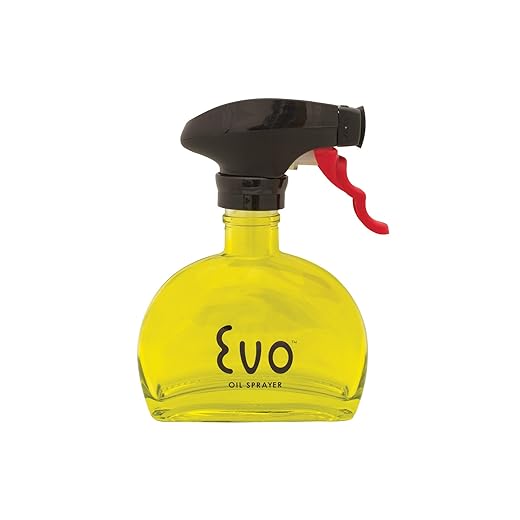
Technique is critical. Avoid aerosol sprays with lecithin or propellants, which can damage the basket’s non-stick coating. Instead, use a pump-action mister or toss food with oil in a separate bowl. The goal is a uniform, almost imperceptible sheen–if the food looks wet, you’ve used too much.
Choosing the Right Oil for Air Frying: Smoke Point Matters
Select oils with a high smoke point (above 400°F / 200°C) to prevent burning and harmful fumes. Avocado oil (520°F) and refined safflower oil (510°F) are top choices for their neutral flavor and stability.
For everyday meals, light olive oil or canola oil work well. Avoid extra virgin olive oil for high-heat cooking; its lower smoke point makes it unsuitable. Always apply fat sparingly with a dedicated kitchen spray bottle, like the Misto Brushed Aluminum Oil Sprayer, to coat food evenly without drenching it.

Many recipes for vegetables or frozen items don’t require added fat, but a light mist can dramatically improve crispness. This method uses up to 80% less fat than traditional deep-frying, aligning with a healthy lifestyle. Remember: you need just enough to facilitate browning and heat transfer in the hot air current.
Best Practices for Applying Oil: Mist vs. Brush
For optimal results, employ a targeted, minimal-fat application method. The goal is a fine, even coating that promotes browning without causing soggy spots or smoke.
A high-quality oil mister, like the Misto Brushed Aluminum Sprayer, is superior for most tasks. Fill it with your chosen high-smoke-point fat to avoid additives in commercial sprays. It distributes a fine, controlled mist, ensuring even coverage on vegetables, french fries, or chicken wings with minimal waste. This technique is essential for achieving a uniformly crispy texture.
Use a silicone pastry brush for precise application on delicate items or when a recipe requires glazing. Gently dab the brush and lightly coat the surface of foods like fish fillets, marinated tofu, or pastry. This prevents dislodging batters and allows direct control over fat quantity, crucial for managing calorie content in healthy recipes.
Never pour fat directly into the appliance’s basket. This pools at the bottom, causing smoke, uneven cooking, and a mess. Regardless of method, always apply fat to the food itself, not the cooking chamber. For most savory dishes, a light spritz or brush before cooking is sufficient; only exceptionally dry items may need a mid-cycle application.
Question-Answer:
Do you need to use oil at all in an air fryer?
No, you do not strictly need to use oil. An air fryer works by circulating extremely hot air around the food. This process can crisp up many items, like reheated fries or chicken nuggets, without any added oil because they already contain fats. For vegetables or lean proteins, a light spray or toss with oil can improve browning and texture, but it’s not a requirement for the appliance to function.
What’s the best type of oil to use in an air fryer?
Use oils with a high smoke point to avoid burning and smoke. Good choices include avocado oil, refined canola oil, and peanut oil. Regular olive oil works, but extra virgin olive oil has a lower smoke point and may burn at higher temperatures. Avoid aerosol cooking sprays not meant for air fryers, as they can damage the basket’s non-stick coating. A pump spray bottle you fill with your own oil is a safer, more economical option.
I used just a little oil, but my food still came out soggy. Why?
Sogginess is often caused by overcrowding the basket, not by the amount of oil. If food is piled too high, the hot air cannot circulate properly, steaming the food instead of crisping it. Cook in a single layer with space between pieces. Also, patting food dry before adding oil and shaking the basket halfway through cooking helps expose all sides to the heat for even crisping.
Can I cook frozen foods like fries or fish sticks without adding extra oil?
Yes, you can cook most frozen, pre-fried foods without adding oil. Products like frozen french fries, fish sticks, and potato nuggets are already coated in oil during their manufacturing. The air fryer will crisp them effectively using their existing fat content. For best results, shake the basket during cooking. Adding more oil might make them excessively greasy.
How much oil should I use for fresh vegetables or chicken breasts?
For fresh items, use a minimal amount—about 1 to 2 teaspoons of oil for a basket of food. Toss chopped vegetables or chicken pieces in a bowl with the oil to coat them evenly. This thin layer helps conduct heat, promotes Maillard browning (that golden color and rich flavor), and prevents sticking. The goal is a light gloss, not a drenching. You will use about 80% less oil than traditional deep-frying.
Do you absolutely need to use oil in an air fryer?
No, you do not absolutely need to use oil. An air fryer works by circulating extremely hot air around the food. For many foods with natural moisture or fat content—like chicken thighs, sausages, or frozen french fries—you can cook them with zero added oil and still achieve a browned, cooked result. The machine will function perfectly without it.