


In today’s fast-paced world, selecting the right smart speaker can be a daunting task, especially with the numerous models and capabilities offered. Smart speakers are no longer just simple audio units; they encompass a range of functionalities, enabling seamless connections to various services like Spotify and Netflix. Many consumers find themselves exploring the powerful features that these devices bring to their daily lives, from on-device control to voice-activated assistance.
- Prioritize compatibility with your existing ecosystem to ensure seamless smart home and device integration.
- Balance speaker size and sound quality based on room size and whether you need portability.
- Choose the voice assistant that best fits your needs for search, smart-home control, or Apple integration.


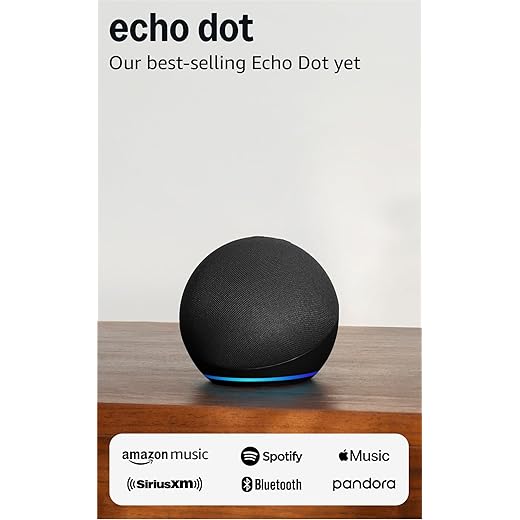


When considering a smart speaker, it’s essential to prioritise what matters most to you. Do you want a model that can fill a room with sound or a smaller, more compact unit that blends seamlessly into your space? Your choice might depend on your existing network and the ecosystem of devices you already own. Whether you’re shopping at home or at hotels, there’s a smart speaker that fits your needs; you just have to know where to look.
One of the most crucial factors is the compatibility of the speaker with your other devices; for instance, if you’re deeply integrated with Google services or looking for something that pairs well with your smartphones. Don’t worry if this seems overwhelming; the process can be straightforward once you consider the essential capabilities you require. Throughout this guide, we’ll offer plenty of tips and expert recommendations on how to make an informed decision, ensuring that your smart speaker enhances your lifestyle harmoniously.
Understanding Different Smart Speaker Types
When you’re looking to choose the best smart speaker, it’s essential to understand the various types available on the market. Smart speakers come in a variety of styles and functionalities, making it easy to find one that suits your needs. For example, brands like Amazon, Google, and Apple offer devices that cater to different preferences and uses. Whether you want to control your smart home devices, listen to music on platforms like Spotify or Netflix, or simply enjoy radio broadcasts, there’s a speaker that might fit perfectly into your lifestyle.
Some smart speakers, such as the Amazon Echo, are known for their powerful voice assistants and can connect to numerous smart home items. They allow you to set reminders, manage your calendar, and even control things like your fridge or lights with just your voice. On the other hand, devices like the Google Nest Audio focus on delivering superior sound quality for music lovers, making it a great choice if you’re looking for a speaker that doubles as a music system.
Additionally, there are smart speakers designed for specific functions. The Sonos Era 100, for instance, specializes in high-fidelity sound, making it ideal for audiophiles who want to enjoy their favorite tunes with top-notch audio quality. Meanwhile, portable smart speakers, like the JBL Link Portable, come with battery power and Bluetooth connectivity, allowing you to move them around with ease, so you can enjoy your music wherever you are.
When deciding on a smart speaker, consider what you want from it. If you’re into arts and crafts, you might appreciate having a device that can help create a soothing environment by playing your go-to playlists. Or if you’re someone who enjoys setting up reminders and checking local news, a speaker with a display, like the Echo Show, can be handy for viewing your calendar or checking the weather at a glance.
Ultimately, choosing the right smart speaker is about finding one that fits your style and meets your daily needs. Don’t hesitate to explore various options, read user reviews, and compare features to get the best experience possible. With the right smart speaker, you can connect seamlessly to your home, enjoy your favorite media, and make your life more convenient!
What Are the Main Features of Smart Speakers?
Smart speakers have become a vital part of many homeowners’ lives, offering a range of features that enhance home environments. When deciding on the best option for your home, it’s crucial to understand the main capabilities these devices bring to the table. Generally, smart speakers are equipped with voice assistants like Amazon’s Alexa or Google Assistant, allowing you to control various aspects of your home using simple voice commands. This feature provides freedom and convenience, whether you’re in the kitchen, hosting gatherings, or relaxing on the beach.
One of the standout features of smart speakers is their wireless connectivity, making it easy to integrate them into your home setup without hassle. Most models, such as the Amazon Echo Dot (3rd Gen) or the Google Nest Mini, come in a small form factor, making them perfect for any room, from your living room to the kitchen. Their multiroom capabilities ensure that you can play music or control smart home devices from different areas of your home without missing a beat.
The sound quality is another crucial aspect to consider. Brands like B&O and Philips have products that offer full and rich sound experiences, perfect for enjoying your favorite music or podcasts. These speakers can also adjust their volume based on the surrounding environment, creating a more balanced audio experience. Additionally, many smart speakers support local access to your favorite artist’s playlists or even specific restaurants and venues.
When assessing what you want in a smart speaker, think about the features that matter most to you. Some users prioritize security features, while others focus on the ability to control smart home items. A model like the Amazon Echo Show adds a visual element with its display, allowing you to view context-rich information, including recipes or video calls. Essentially, smart speakers can learn and adapt to your preferences, making them increasingly valuable over time.
In conclusion, whether you wish to enhance your home with music, gain control of your smart devices, or enjoy the ease of voice commands, the main features of smart speakers cater to a wide range of needs. By considering these aspects, you can choose a device that aligns perfectly with your lifestyle and home environment.
Comparing Voice Assistants: Alexa, Google Assistant, and Siri
When it comes to choosing a smart speaker, one of the most crucial factors is the voice assistant it operates with. The three most popular options–Alexa, Google Assistant, and Siri–offer unique experiences that cater to different consumer needs. Understanding how they compare can help you make a more informed choice for your modern home.
Amazon’s Alexa is known for its vast compatibility with a wide range of smart home devices, including soundbars and multi-room systems. Users can integrate Alexa seamlessly with products like the Amazon Echo Studio, which provides excellent audio quality. With the ability to control smart lights and adjust volume levels, Alexa allows users to create a personalized atmosphere in their homes, whether it’s a lively gathering or a quiet night in.
Google Assistant, on the other hand, excels in contextual understanding and search capabilities. It’s a strong contender for users who heavily rely on information retrieval, as well as Spotify and other music services. Devices like the Google Nest Audio showcase a rich sound experience and can easily fit into a multi-room system. This makes it an excellent choice for those who enjoy exploring music and want to hear their favorite tunes in multiple rooms simultaneously.
Apple’s Siri shines when it comes to integration with other Apple products. For users entrenched in the Apple ecosystem, products like the HomePod mini present an excellent option. Siri can operate effectively to control smart home devices, manage schedules, and perform tasks while presenting a sleek design that fits in any room. However, Siri’s ecosystem is somewhat limited compared to Alexa and Google Assistant, particularly regarding third-party integration.
In summary, when choosing between these voice assistants, consider what features align most with your lifestyle. If controlling multiple aspects of your home through a multi-room system is a priority, Amazon’s and Google’s offerings might be your best bet. Conversely, if you’re already invested in the Apple ecosystem, Siri can enhance your experience. Take the time to explore each option, think about the use cases that matter the most to you, and you’ll find that the right voice assistant for your home becomes clear.
Speaker Size and Sound Quality: What to Consider
When choosing the best smart speaker, speaker size and sound quality are crucial factors to consider. Generally, larger speakers have the advantage of delivering richer sound with deeper bass, which can enhance your cinema experience at home. For example, models like the Beosound A1 are sleek and compact, yet they provide impressive sound quality, making them ideal for both indoor and outdoor use. However, the size might limit portability, so if you prefer something that you can easily roam with, compact options like the StormBox could be a better choice.
It is also important to account for the volume capabilities of the speaker. High-quality playback systems should comfortably fill your room without distortion. Questions often arise about the affordability of higher-end models that include Dolby sound support. While they might be a bigger investment, the payoff in sound quality for movies, music, and other audio content could justify the cost. Brands like Amazon Echo Studio not only deliver high-fidelity sound but also support various networks and systems, making them versatile choices.
Another factor to consider is the integration with your current devices. Look for speakers that easily connect to your Android devices or even smart TVs that show video content. Speakers like the Twilight Black Sonos Era 100 not only look sleek but also complement your home décor. These systems often offer additional features like voice control, allowing you to play music during dinner or throughout your home without hassle.
Ultimately, the choice between different speakers takes careful consideration of your lifestyle needs. Whether you want something high-end for a professional studio setup or a portable speaker for casual use, doing your research on sound quality, size, and features can help you make an informed decision. For those who enjoy the arts and video playback, a well-chosen smart speaker will provide the freedom and quality you desire.
Compatibility with Smart Home Devices
When selecting the best smart speaker, one important aspect to consider is compatibility with smart home devices. The market is filled with various items, and understanding how each speaker fits into your existing network of devices can be a game changer. Whether you have an Android or Dali home design, ensuring that your new speaker supports these technologies lets you create a balanced and integrated home environment.
A speaker’s compatibility becomes particularly crucial for those who wish to connect multiple devices seamlessly. For instance, the latest Amazon Echo offers excellent support for a wide range of smart home items, including lights, thermostats, and security systems. Whenever you think about adding a device, it’s essential to check if it covers the main features you’re looking for and supports hands-free control through voice commands.
Many consumers prefer a simple setup and expect their smart speakers to provide a convenient experience. Models like the Google Nest Mini and Sonos Roam exemplify this ethos, letting you control your home with just a few words. These speakers not only handle music playback but also interact with your other devices, ensuring that you can start your morning with an automated coffee pot and news updates from your favorite video platforms.
In Wollongong or at the beach, having a portable smart speaker like the Ultimate Ears Stormbox allows you to roam without sacrificing the intelligence of your home setup. With sleek designs and robust technology, these speakers can connect to your home network while still being portable enough for adventures. However, it’s critical to review the partnerships and integration options for these speakers, as some may not support all devices.
In conclusion, the right choice of a smart speaker can enhance your lifestyle, letting you transition smoothly between various tasks. Look for products that not only meet your audio needs but also become the central hub for your smart home. This will ensure that you get the perfect blend of technology and convenience, making your life incredibly easier.
Key Factors in Decision-Making
Choosing the best smart speaker involves plenty of considerations that extend beyond basic functionalities. It’s essential to understand the designs available in the market. Consumers today are looking for devices that fit seamlessly into their homes, whether it’s during a dinner party or a casual gathering at the beach. Brands like Apple and Amazon have developed models that arrive in various forms and colors, making it easier for you to transfer your personal style into your tech.
One of the critical factors to consider is the accessibility of features. Many consumers appreciate smart speakers that support wire-free connectivity options such as Bluetooth. This allows for effortless connections to your smartphone or other devices, ensuring a smooth experience while playing your favorite tunes. For instance, the Echo Dot is an excellent option available on Amazon, noted for its simple setup and user-friendly interface.
You should also think about the contextual features these speakers offer. Do they understand complex queries? Can they adjust settings based on your existing home appliances? Companies are increasingly focusing on delivering smart speakers that can interact with your environment, providing responses that make sense. Avid users often mention how products like the Google Nest Audio make life easier by managing their smart home devices and offering support through voice commands.
When shopping, consider the partnerships these brands have with other smart home equipment. A smart speaker like the Sonos Era 100 can integrate with various home systems, from lighting to safety devices, creating a cohesive experience. You might want to grab one along with your existing smart home devices to see how they work together. Keep in mind the importance of a simple and effective user experience, which can significantly reduce the nonsense of complicated setups.
Whether you are planning weekend barbeques or just enjoying arts and entertainment, the right smart speaker can enhance those moments effortlessly. As you learn more about different models and functionalities, you will become more equipped to choose a speaker that fits all your needs. In 2025, making informed decisions will rely on how well these devices can communicate and adapt within your daily life.
Q&A:
What key features should I consider when selecting a smart speaker?
When choosing a smart speaker, focus on sound quality, voice recognition capabilities, compatibility with smart home devices, available voice assistants, and design. Assess the audio performance, ensuring it meets your expectations for music and other media. Make sure the speaker accurately recognizes commands from various distances and noise levels. Check if it can integrate with your existing smart home ecosystem, such as lights, thermostats, or security systems. Consider which voice assistant, like Alexa, Google Assistant, or Siri, aligns best with your preferences. Lastly, evaluate the design and size to ensure it fits your living space.
Are there any recommended brands or models for smart speakers?
Some popular brands include Amazon with its Echo lineup, Google with its Nest Audio, and Apple’s HomePod Mini. The Amazon Echo Dot is a user-friendly choice for those new to smart speakers due to its affordability and functionality. For better sound clarity and volume, the Google Nest Audio is a solid option. If you’re looking for premium audio performance along with smart features, the Apple HomePod Mini stands out. It’s best to consider your specific requirements, such as audio quality or integration with other devices, before making a decision.
How do smart speakers enhance home automation?
Smart speakers can serve as a central hub for controlling various smart home devices. With voice commands, you can adjust lighting, thermostat settings, and security systems without needing traditional remotes or apps. This functionality streamlines managing your home environment, offering convenience and potentially improving energy efficiency. For example, you can say, “Turn on the living room lights,” or “Set the thermostat to 72 degrees,” and the smart speaker will execute the tasks promptly. This integration not only simplifies your daily routines but also adds a layer of comfort to your living space.
What are the privacy concerns associated with smart speakers?
Privacy concerns mainly revolve around the ability of smart speakers to listen to conversations. Many devices are always in a waiting mode, listening for activation prompts. There have been instances of accidental recordings or data breaches. To address these concerns, look for devices that offer privacy controls, such as the ability to mute microphones or delete voice recordings. Additionally, reviewing the privacy policies of manufacturers can provide insight into how they manage and store your data. Being informed about settings and adjusting them to your comfort level can help mitigate these risks.
Can smart speakers be used for more than just playing music?
Absolutely, smart speakers are versatile devices that extend beyond just playing music. They can provide weather updates, set reminders, control smart home devices, answer questions, and even facilitate video calls if connected to compatible devices. Many smart speakers offer skills or apps that allow for additional functionalities, such as meditation guides, cooking recipes, or games. Depending on the model and voice assistant, the range of capabilities can vary significantly, so exploring the features available for your chosen speaker can enhance your overall experience.
What factors should I consider when choosing a smart speaker?
When selecting a smart speaker, you should take into account various factors such as voice assistant compatibility, audio quality, design, and additional features. Voice assistant options like Amazon Alexa, Google Assistant, or Apple Siri play a significant role since they determine the ecosystem you’re entering. Audio quality should meet your listening preferences, whether you enjoy music, podcasts, or audiobooks. The design should fit your home decor and be user-friendly. Lastly, consider features such as smart home integration, multi-room audio support, and portability, as these will enhance your experience with the device.

Other Articles

