

If you’re a passionate enthusiast of quality brews, maintaining your coffee maker is essential for ensuring that every cup delivers good taste. This guide addresses common FAQs and offers effective tips for making the cleaning process straightforward. Regular upkeep not only enhances flavor but also extends the lifespan of your appliance.
- Remove and soak drip tray and capsule container in warm, soapy water for at least 15 minutes, then scrub gently and dry.
- Choose a compatible descaling solution or a vinegar/citric acid mix; avoid harsh chemicals that can harm internal components.
- Soak removable parts about 20–30 minutes with warm water and cleaner, then rinse thoroughly to remove residues.
- Rinse and air dry all parts completely; run clean water cycles after descaling to flush any leftover solution.

Users often don’t realize that neglecting their devices can lead to performance issues. When your equipment is not well-maintained, the brewing cycle might halt or the resulting coffee can taste off. By learning this simple process, you’re setting yourself up for success in your kitchen.
This detailed breakdown will include five recommended steps to refresh your equipment, ensuring it remains ready for action. All you need is a sponge, water, and a few minutes of your time. Plus, regular rinsing and cleaning will guarantee that your machine operates effectively, addressing any problems before they arise.
Step 2: Soak the Drip Tray and Capsule Container
Start by removing the drip tray and capsule container from your brewing device. These removable parts often accumulate dirty residues and limescale buildup, which can affect the flavor of your drink. For optimal results, soak them in warm, soapy water for at least 15 minutes. A mixture of mild dish soap will work wonders in loosening stubborn debris.
While soaking, examine the items for any blockages. If you notice any large remnants from used capsules, discard them to prevent further issues. Regular maintenance here is key; allowing these parts to soak will not only enhance their cleanliness but also prolong their lifespan. In some models, improper care can lead to malfunction or inconsistent brewing results.
After the soaking period, gently scrub the drip tray and container with a soft sponge or cloth. Avoid harsh abrasives, as they might scratch the surface. Rinse them thoroughly and dry before reinserting them into the machine. This step is crucial because dirty components can lead to taste interference, giving you a subpar experience.
Trust that this regular upkeep will result in a more enjoyable brewing experience. Over time, learning proper maintenance techniques can save you from common troubleshooting issues and ensure the high performance of your device.
Choosing the Right Cleaning Solution
For optimal results, start by selecting the right cleaning solution tailored to your espresso brewer. Experts recommend using descaling agents specifically designed for espresso equipment. Look for products that state compatibility with your device to ensure effectiveness.
Homemade alternatives such as vinegar or citric acid can work well too. If you opt for a homemade solution, mix one tablespoon of vinegar in a liter of water. This can be effective in removing mineral deposits without affecting your machine’s technology.

- When using commercial descalers, choose those with a proven track record in the area of espresso machines.
- Ensure that the solutions are free from harsh chemicals that may harm your device’s internal components.
- Check for large packaging options if you clean regularly, as this can be more economical in the long run.
Regardless of your choice, always rinse thoroughly with clean water after applying a cleaning solution. This step is crucial in removing any residues that might affect the quality of your brews.
Before starting the cleaning process, unlock any buttons or mechanisms that may restrict access to the brewing components. A quick wipe with a towel can help polish the exterior and keep larger areas of your kitchen tidy while you work.
Remember, maintaining your equipment is essential to produce delicious coffees time and again. Whether you’re using state-of-the-art technology or a classic model, routine maintenance will keep your espresso experience top-notch.
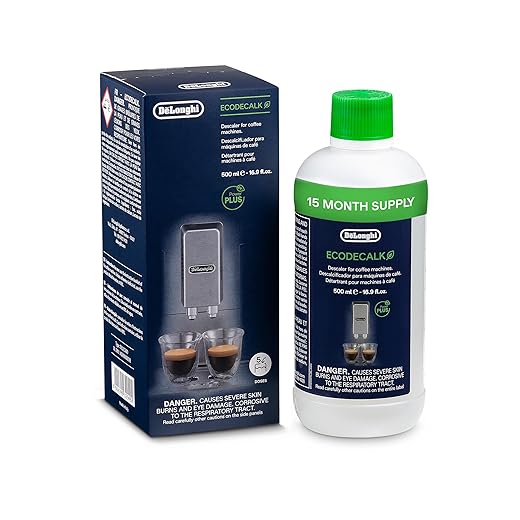
De'Longhi EcoDecalk Descaler, Universal Descaling Solution for Coffee & Espresso Machines, 16.90 oz (5 uses)
- For commercial descalers, consider options like:
De’Longhi Descaler or Urnex Dezcal - For homemade solutions, you can always rely on simple kitchen staples like:
White VinegarCitric Acid

Urnex Liquid Dezcal Activated Descaling Solution - 33.6 Ounce (8 Uses) - For Use With Keurig 1.0/2.0, Home Coffee and Espresso Machines, Kettles, Garment...
Preparing the Soak Solution
To tackle any build-up within your brewing device, mixing a soak solution is a step that shouldn’t be overlooked. Start with two tablespoons of a special cleaner designed for espresso tools. This cleaner works effectively to break down light oils and minerals that accumulate over time.
Next, combine your cleaner with 16 ounces of warm water in a bowl. This ratio helps ensure that the solution remains potent yet gentle enough to avoid any surface damage. It’s important to use warm water as it activates the cleaner’s components more efficiently, making the process smoother.
While preparing the solution, be mindful of bacteria build-up, especially if your appliance sits unused for days. Surrounding your work area with tools like a soft sponge makes it easy to maintain cleanliness. Use the sponge to wipe surfaces before soaking parts that are dirty, keeping the environment clean, so bacteria don’t have a chance to thrive.
If you want some additional tips from friends who are also enthusiasts, they often recommend letting the parts soak for about 20 minutes. Afterward, just give them a light scrub with the sponge to enhance the cleaning process. This method not only ensures everything is spotless but can also lock in freshness for your next brew!
Remember, addressing the issue of residue build-up regularly can significantly prolong the lifespan of your setup and improve the flavor of your drinks. Maintaining your gear doesn’t need to be a chore; it can be a quick and satisfying part of your daily routine!
For even better results, consider products like this descaling solution on Amazon or a high-quality sponge cleaner to make your routine efficient and enjoyable.
How Long to Soak for Best Results
The ideal soaking time for your brewing device is about 30 minutes. This duration allows any leftover residues and oils to break down effectively. The key thing that can influence this process is the type of cleaning solution used. If it’s a strong chemical cleaner, consider soaking for less time, around 15-20 minutes, to avoid any adverse effects on materials.
Within this time frame, performing a thorough rinse is crucial. After soaking, you should rinse the components under warm water to ensure that no cleaning agents remain. Following this, check your equipment for any stubborn spots that may require additional attention. For any persistent stains, repeating the soak can be a great option.
Finally, for those using homemade or modern cleaning solutions that consist of household items, aim for about a tablespoon of the mixture to one liter of water. This ensures an effective blend without overpowering your equipment with unnecessary chemicals. Online reviews can guide you to the best products available, making it easier to choose effective cleaners.
To maintain the quality of your delicious brews and keep your setup in top shape, regular maintenance should not be overlooked. Enter this into your checklist–it’s important for future use! For removing heavy built-up stains, you might opt for soaking overnight, whichever works best depending on the condition of your brewing equipment.
Rinsing and Drying After Soaking
After soaking the parts of your brewing device in a citric solution, it’s crucial to rinse them thoroughly. Start by placing the components under a light stream of water. This ensures that any lingering chemicals are washed away effectively, keeping your equipment in top condition. Use a sponge to help remove any residue that may have settled during soaking. Make sure all debris and solutions are completely gone before proceeding.
Once you’ve rinsed everything, it’s time to dry. Enter a clean, dry area to place your parts. You can use a clean cloth or let them air dry. Avoid using heat sources that could damage sensitive components. It’s best to keep these pieces together to prevent loss and ensure everything remains organized. Let them dry for a longer period if necessary, especially if you’ve used larger components that require more time to fully rid moisture.
After drying, revisit the condition of your capsules and cleaning accessories. Ensure that your brush or any other cleaning tools are also dried to prevent mold growth. A flashing light on your device can indicate that it’s time to refresh your maintenance routine, helping to prevent build-up and keeping your unit functioning at its best. Remember, regular upkeep is essential for optimal performance!

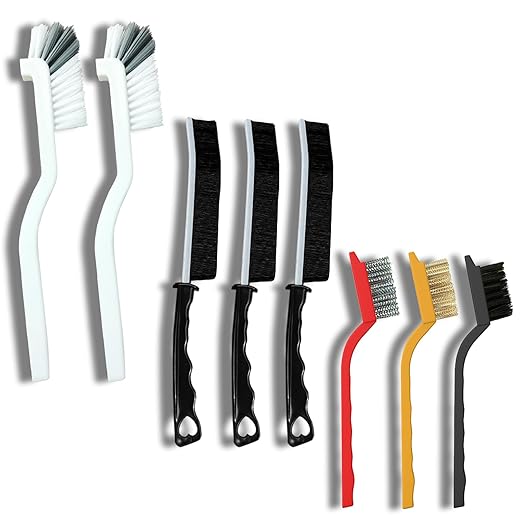
If you’re in search of useful products, check out the Citric Acid Cleaner or Cleaning Brush Set available on Amazon. These tools can assist you in keeping your setup in pristine condition, leveraging technology from Switzerland that ensures long-lasting use.
Importance of Regular Maintenance
Regular upkeep is essential to ensure your coffee-making device continues to produce the best brews. A daily approach keeps your machine working efficiently. For optimal performance, it’s recommended to clean components where coffee residues might stick, reducing the chance of dirty or white stains on your cups.
Using non-abrasive materials during maintenance helps keep the exterior spotless while preventing scratches on the surfaces. For example, utilizing soft cloths will maintain the gloss and appearance of your machine, ensuring that it remains a joy to use.
Limescale can often build up inside due to the water you use, affecting the quality of every cup. If left unaddressed, this could lead to a decline in taste and aroma, potentially ruining the coffee experience. Be mindful of these issues and check your device regularly, especially if you are in areas prone to hard water.
Some experts recommend using descale solutions that can help remove limescale with just a few ounces added to your water tank. These are easy to find; for instance, the Universal Descaling Solution is a popular choice among users.
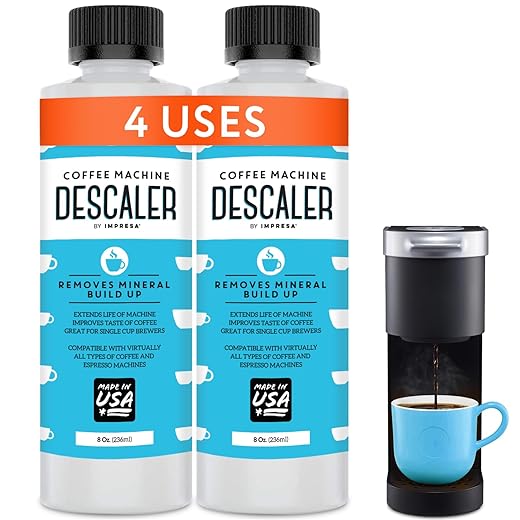
Descaler (2 Pack, 2 Uses Per Bottle) - Made in the USA - Universal Descaling Solution for Keurig, Nespresso, Delonghi and All Single Use Coffee and Espresso...
For users who want to streamline their cleaning process, look for products specifically designed for coffee devices. Cleaning tablets like the Urnex Coffee Maker Cleaner can make routine cleaning precise and effective without being too cumbersome.

Urnex Coffee Maker Cleaner and Descaler Kit - 2 Single Use Bottles - Professional at Home Coffee Machine Cleaning and Descaling
Incorporating learning into your maintenance routine enhances your understanding of how each part contributes to the overall function. This way, you can keep your coffee-making experience smooth and satisfying, ensuring you’re always ready to brew your favorite flavors at any moment.
Remember, maintaining your machine doesn’t have to be overwhelming. With just a few steps and the right products, you’ll ensure that each cup remains delightful, every time.
Q&A:
How often should I clean my Nespresso machine?
It is recommended to clean your Nespresso machine at least once a month to maintain its performance and ensure that you get the best flavor from your coffee. If you use your machine daily, consider more frequent cleaning, such as every two weeks, to prevent any buildup of coffee oils or mineral deposits.
What ingredients do I need to clean my Nespresso machine?
To clean your Nespresso machine, you typically will need plain water and white vinegar or a descaling solution specifically designed for coffee machines. Additionally, having a damp cloth or sponge on hand for external cleaning and a receptacle for collecting any water or residual coffee helps the process go smoothly.

Can I use regular household cleaners to clean my Nespresso machine?
No, you should avoid using regular household cleaners or detergents. These can leave harmful residues and affect the taste of your coffee. Stick to using water and descaling solutions recommended by Nespresso or natural options like white vinegar for safe and effective cleaning.
What are the five steps for cleaning a Nespresso machine?
The cleaning process can be broken down into five simple steps: 1) Empty the capsule container and drip tray. 2) Prepare a solution of water and white vinegar or descaling solution. 3) Run the cleaning cycle by filling the water tank and starting the brew process without a coffee capsule. 4) Rinse the water tank thoroughly and refill it with clean water, then run another cycle to flush out any remaining solution. 5) Wipe down the exterior of the machine with a damp cloth for a complete clean.
What should I do if I notice a decrease in coffee quality after cleaning?
If you notice a decline in coffee quality after cleaning, it could be due to leftover cleaning solution or water in the system. Rinse the machine again by running a cycle with only clean water without coffee capsules until any residue is cleared out. If the issue persists, consider descaling again or checking if the machine’s parts are properly cleaned and assembled.
How often should I clean my Nespresso machine?
It is recommended to clean your Nespresso machine every few months, depending on your usage. If you use it daily, a more frequent cleaning schedule, such as every month, will help maintain the quality of your coffee and the machine’s performance. Regular maintenance will also prevent the buildup of coffee oils and mineral deposits that can affect flavor and functionality.
What supplies do I need to clean my Nespresso machine?
To clean your Nespresso machine, you will need a few basic supplies. These include a soft cloth or sponge, warm water, and a suitable descaling solution that is compatible with Nespresso machines. Additionally, having a small bowl to catch any drips and a separate container for the used capsules can help keep things organized while you clean. Always refer to your machine’s manual for any specific cleaning products that are recommended.