


Mastering Safe Methods for Chilling Freezing and Defrosting Food is crucial for preserving flavor, preventing foodborne illness, and minimizing waste. Improper temperature control can allow harmful bacteria to multiply, turning a nutritious meal into a health risk. This essential guide walks you through the science-backed best practices for each stage—from rapidly cooling leftovers to safely thawing frozen goods—ensuring your food remains safe, delicious, and high-quality from kitchen to table.

To ensure that your stock of perishables remains good, it’s crucial to manage the temperatures at which they are stored. For instance, poultry should be chilled or frozen promptly to avoid deterioration. Each type of food, whether it’s pasta, minced meat, or salad, has specific storage requirements. Following these guidelines will not only improve the longevity of your groceries but also enhance your eating experience.
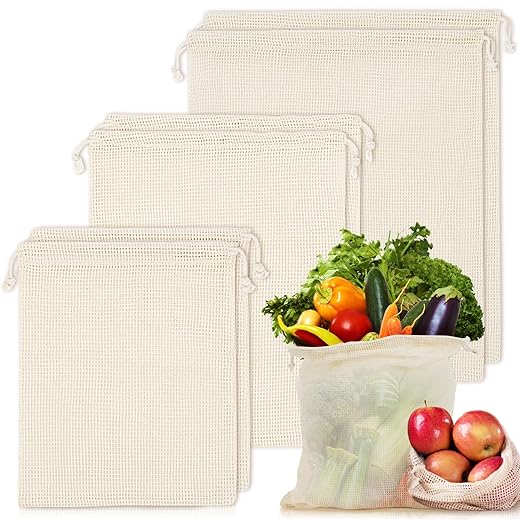

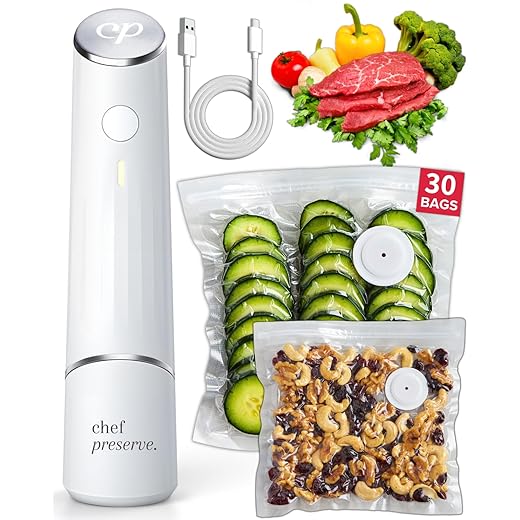

When organizing your containers in the freezer, consider separating goods by type. Utilizing sheet or labeled containers can make it easier to find what you need, especially when you’re in a rush. Some items, like poultry and pasta, will benefit from being stored in airtight packaging to maintain their fresh flavors longer. This thought process will save you time and reduce food waste.
Defrosting methods can significantly impact the quality of your food. It’s better to avoid room temperature when letting items thaw; instead, opt for methods that maintain power and control, such as the refrigerator or cold water. By applying these instructions, you can enjoy your meals again without the worry of compromising the safety of the food you consume. Remember, even small changes can lead to great improvements in your kitchen routine!
Food Safety Guidelines for Chilling
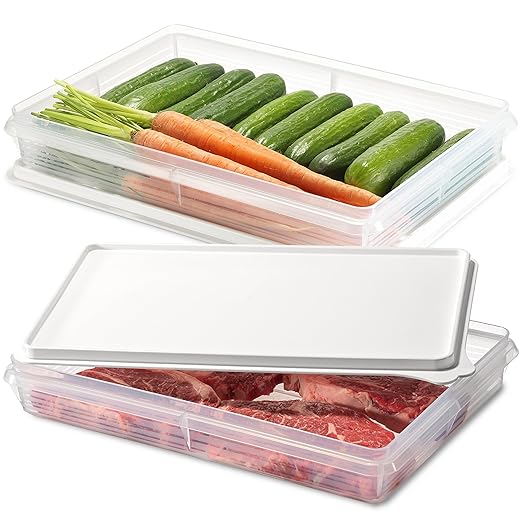
To maintain the quality of your meals, it’s crucial to cool items like sauces, minced meat, and stock quickly after cooking. It’s recommended to transfer heated dishes into shallow containers, which will help them cool much faster than leaving them in a deep pot. For dinner preparations, consider using resealable bags to store food; they take up less space and cool more efficiently.
When thinking about seafood, like fish or shellfish, ensure not to leave them out at room temperature for too long. Ideally, place them in a refrigerator set below 40°F (4°C). If you plan to keep them for longer, consider freezing. Remember, food that doesn’t cool properly may become a breeding ground for bacteria.
While you are cooling down meals, monitor the inside temperature of your refrigerator to ensure that it stays at the right level. It’s easy to overlook this part, but it will mean everything for food safety. Using a thermometer can help you keep track. For example, if you’re storing leftovers that have brown sauce, check how long they’ve been cooling. They should be consumed within three to four days.
For particularly perishable items like dairy products or certain meats, consider separating them into smaller portions. This not only aids in faster cooling but will also make reheating each part easier for your next meal. If you’re looking for handy tools, check out products like these shallow food storage containers or resealable freezer bags on Amazon for efficient storing.
Best Practices for Rapid Cooling
To cool down hot dishes like potatoes or dinner leftovers, use shallow containers. This method maximizes surface area, allowing heat to escape faster. Aim for containers no deeper than two inches. Place them in the refrigerator or freezer, but be mindful of mixed contents; you want to avoid temperature build-up in your chest or drawers.
When you stack items, ensure there’s space for air to circulate. For example, putting blueberries or other delicate goods on a shelf where they won’t be crushed can help retain their quality. If you haven’t set your refrigerator’s temperature, measure it to ensure it’s below 40°F (4°C) for optimal safety.
It’s essential to follow proper instructions. Spend no more than two hours at room temperature before transitioning food into colder storage. If you’re in a hurry, placing ice packs around a container can help cool it more rapidly. Just remember not to throw hot items directly onto cold surfaces–it could crack them!
Evacuate leftovers within four days, as older items can become unsafe. For special dates or occasions, make sure to plan ahead so everything will be ready. If you have children, keep a close eye on what’s available to ensure their safety and enjoyment.
Lastly, be savvy about sealing your containers. Proper seals prevent moisture loss and protect flavors, ensuring that what’s left remains delicious. Check out options like Rubbermaid Brilliance containers on Amazon for durable solutions that will keep your food fresh longer.
Choosing the Right Containers for Chilling
When selecting containers for the cooling process, focus on materials that are safe and effective. Glass and BPA-free plastic are ideal choices, as they ensure no harmful substances leach into your food. For drinks, consider using insulated bottles to maintain temperature longer. If you’re looking to store something like cream or sauces, use containers that have tight-sealing lids to avoid spills and maintain freshness.
This isn’t just about safety; using the right shape can improve how well your items chill. Shallow, wide containers promote faster cooling compared to deep, narrow ones. Think of a pyramid structure for stacking multiple containers–this maximizes airflow and minimizes heat loss. Good containers can also mean that your items can be reused, cutting down on cardboard and plastic waste.
While some might overlook the form of the container, others understand that it plays a huge role in the process. For example, silicone ice trays are great for making ice cubes for drinks; they not only come in fun shapes but also ensure easy release. If you see containers designed for freezing, make sure they are labeled as freezer-safe. This will help avoid any unwanted cracking or breakage.
For those looking into innovative ideas, consider investing in vacuum-sealed bags. They reduce air exposure, which will keep your food fresh longer and prevent freezer burn. In summary, the right containers can bring about multiple benefits; they keep things organized while ensuring food safety without compromising quality. Take the time to choose wisely for a better eating experience.
How to Avoid Cross-Contamination in the Fridge
Start by organizing your refrigerator with clarity in mind. Store raw meat, poultry, and seafood on the bottom shelves, away from other items, to prevent drips. A clear plastic basket can be helpful to contain these items and avoid contact with anything else. This organization keeps the cool environment efficient, reducing the chances of bacteria spreading.
Keep fruits and vegetables, like lettuce, on higher shelves or in separate drawers. The moisture in these items can encourage bacteria growth, so it’s vital to wash them before use. Consider using breathable produce bags, which can help keep things fresh and organized. Make sure to view your fridge’s contents regularly to know what needs to be used soon and avoid waste.
Use clear guidelines for stored items. Labeling containers with dates is super helpful in managing your week’s meals. Remember to completely clean any spills in the fridge immediately, as these can become a breeding ground for germs. Regularly check the temperature; keep it at or below 40°F to effectively kill harmful bacteria while you’re back at your eating routine.
Utilize the microwave wisely for reheating – ensuring that food is heated all the way through can effectively kill germs and toxins that may have formed. This is essential for leftovers stored for a few days. Using separate shelves for different food categories creates a solid structure for hygiene.
Following these simple instructions can help you maintain a safe and healthy fridge environment. Regular cleaning and appropriate item storage will promote better food safety and ensure you enjoy your meals without worry.
Freezing Techniques for Different Food Types
For vegetables like peas and carrots, blanching is essential. This means briefly boiling them before placing them into cold water. It helps maintain color, taste, and nutrients, ensuring they stay fresh longer. After blanching, cool them down quickly, then store in freezer bags, removing as much air as possible. Regularly check these items to prevent waste.
When it comes to meats, cutting them into manageable slices will not only speed up the freezing process but also help with even thawing later. Make sure they’re wrapped tightly in freezer paper or airtight bags to maintain hygiene and prevent freezer burn. Chicken and beef can become soft if not handled properly, so labelling them with dates will keep track of freshness.
- Use butcher paper for beef and lamb.
- For chicken, vacuum-sealing keeps it freshest.
- Fish benefits from quick freezing on a tray before transferring to bags.
Fruits like bananas or strawberries can also be placed directly into bags, but cutting them into slices helps them freeze evenly. They don’t need any prep, but you should ensure they’re dry to avoid ice crystals forming. Even older fruits can treat our sweet tooth without becoming waste.
Potatoes require special attention. Blanching is a must, as raw potatoes can become grainy when frozen. Cut them into uniform pieces and follow up with a quick flash freeze before transferring them into storage bags. This keeps them from becoming soft and mushy. You can easily find freezer-safe containers on Amazon, like the Rubbermaid Brilliance, which features excellent airtight seals.
Storing food at the right temperatures and using clear labelling can extend their storage life. Always aim for the coldest part of your freezer, ideally below 0°F (-18°C). Using these techniques, you ensure that all your food items maintain their quality and remain safe for consumption. This guidance can simplify meal planning and help manage grocery budgets.
How to Freeze Fruits and Vegetables Properly
To preserve the quality of fruits and vegetables, they should be prepared correctly before being stored in the freezer. Start by washing them thoroughly. Slice larger items, like peppers or eggplants, into suitable sizes. For strawberries, remove the tops and slice them if desired; this could help them defrost faster later.
Next, blanch vegetables like broccoli or green beans in boiling water for a few minutes to stop enzyme action. This step is crucial as it could otherwise turn the color and texture undesirable during long-term storage. After blanching, make sure to cool them quickly in ice water. Once cooled, drain and pat them dry. Fruits, such as peaches or berries, don’t require blanching and can go straight into containers.
- Use airtight containers or freezer bags to reduce freezer burn.
- Remove excess air from bags; this could drastically improve the quality of your stored goods.
- Label each container with the date so you can keep track of how long they’ve been stored.
When you’re ready to store, place fruits and vegetables in the freezer. Ideal temperatures are around 0°F (-18°C) for maintaining quality. You might want to organize your freezer drawers for easy access, ensuring that heavier items are located at the bottom to avoid crushing lighter packages. Avoid overloading your freezer, as a deep freeze allows air to circulate better.
For future use, consider the need for ingredient variety. Instead of freezing whole loaves of bread, slice them. Baked items can also be frozen in portions, so you only thaw what you need. Some foods might need more attention; for instance, avoid freezing lettuce or other high-water-content veggies, as they can’t maintain their texture when thawed.
Some common products that help with storage are vacuum sealers, which can be found on Amazon, or resealable bags for easy packing. Remember, while freezing extends shelf life, over time the quality may decline; so it’s best to use them within 6-12 months for optimum freshness.
Being aware of the downsides of freezing, such as potential changes in texture or taste, can help set your expectations. Proper preparation can make a big difference, turning seasonal bounty into year-round enjoyment.
Freezing Meats and Seafood: Dos and Don’ts
For better preservation, always wrap meats and seafood tightly. Use vacuum-sealed bags or heavy-duty aluminum foil to minimize air exposure. This prevents freezer burn and keeps your meals fresh. Monitor the temperature of your freezer, ensuring it’s at 0°F (-18°C) or lower for ideal storage conditions.
It’s crucial to label your packages with the date they were stored. This helps you use the older products first, which is part of a good food waste management strategy. In general, seafood is likely to stay good for six months, while red meats can last up to a year when kept properly. Using updated data on food storage can help you plan your meals effectively.
| Type of Meat/Seafood | Optimal Storage Duration |
|---|---|
| Chicken | Up to 1 year |
| Beef | Up to 1 year |
| Pork | Up to 6 months |
| Fish | Up to 6 months |
| Shellfish | Up to 1 year |
Avoid putting opened packages back into the freezer. Instead, transfer leftovers to airtight containers to prevent bacterial spreading. When you want to enjoy your stored goods, allow them to thaw in the refrigerator rather than at room temperature. This is a convenient way to reduce the risk of foodborne illnesses.
During defrosting, ensure meats and seafood are kept separate to avoid cross-contamination. Consider using a deep freezer for long-term storage if you’re frequently freezing large amounts. For handy vacuum sealers, check Amazon for options like the FoodSaver V4840 or the NutriChef Vacuum Sealer, which can make meal prep a breeze.
Recommendations for Freezing Prepared Meals
Ensure your meals are properly cooled before placing them inside the chest freezer. This keeps them fresh longer and prevents other items from warming up. If you’re preparing dishes like lasagna or soups, let them sit at room temperature for no more than two hours, then transfer them to the freezer.
When planning your meals, do it in a way that limits the number of times you open the freezer. This helps maintain a stable temperature, which is crucial for preserving quality. Store foods in airtight containers or heavy-duty freezer bags to avoid freezer burn. For instance, if you’re freezing strawberries, wash them, slice them as necessary, and spread them on a baking sheet to flash freeze before placing them in bags. This prevents them from sticking together.
Ideally, you want to utilize the freezer within a few weeks. Foods can deteriorate even when frozen long-term if not stored correctly. They’ve been known to lose flavor and texture. If you wait too long, you might find that the taste is less appealing than when fresh. Make sure to label everything with the date so you can track how long they stay inside. Keeping track is essential, especially for spontaneous meals that you might want to prepare for yourself.
Invest in freezer-safe containers, like those recommended on Amazon, such as the Rubbermaid Brilliance food storage containers. They are designed for the freezer and stay strong over time. Remember, when it comes to prepared meals, following these guidelines ensures you can enjoy delicious dishes week after week without worrying about quality loss.
Q&A:
What are the best methods for chilling food quickly?
To chill food quickly, you can use several methods. One option is to place the food in shallow containers to increase the surface area, allowing it to cool faster. Another effective method is to use an ice bath—fill a larger container with ice and water, then submerge the food in a smaller container within it. Additionally, stirring the food while it’s cooling can help speed up the process. Always ensure that the food reaches a temperature below 40°F (4°C) within two hours for safety.
Can you explain the proper way to freeze different types of food?
Freezing food requires specific techniques depending on the type of food. For fruits and vegetables, wash and cut them into appropriate sizes, then blanch them briefly in boiling water before freezing to preserve flavor and texture. For meats, wrap them tightly in plastic wrap or aluminum foil to prevent freezer burn. Cooked meals can be frozen in airtight containers, allowing some space for expansion. Make sure to label each item with the date to ensure they are not kept for too long, ideally using them within three to six months.

How can I safely defrost food without compromising its quality?
To safely defrost food, there are three recommended methods: in the refrigerator, in cold water, or in the microwave. The refrigerator method is the safest, as it keeps the food at a consistent, safe temperature. For the cold water method, seal the food in a waterproof bag and submerge it in cold water, changing the water every 30 minutes. The microwave can be used for quick defrosting, but it’s essential to cook the food immediately after, as some areas may begin to cook during this process. Avoid leaving food out at room temperature to thaw, as this increases the risk of bacterial growth.
What should I do if I accidentally refreeze food that was previously thawed?
If you accidentally refreeze food that has been thawed, you need to consider how it was thawed. If it was defrosted in the refrigerator and has remained at a safe temperature, it can be safely refrozen. However, if it was thawed using the cold water or microwave methods and not cooked afterward, it’s best to discard it to prevent foodborne illness. Refreezing may affect the quality and texture of the food, but safety should always be your top priority.

Other Articles

Find Your Perfect Vacuum Cleaner with Our Detailed 2025 Buying Guide
