

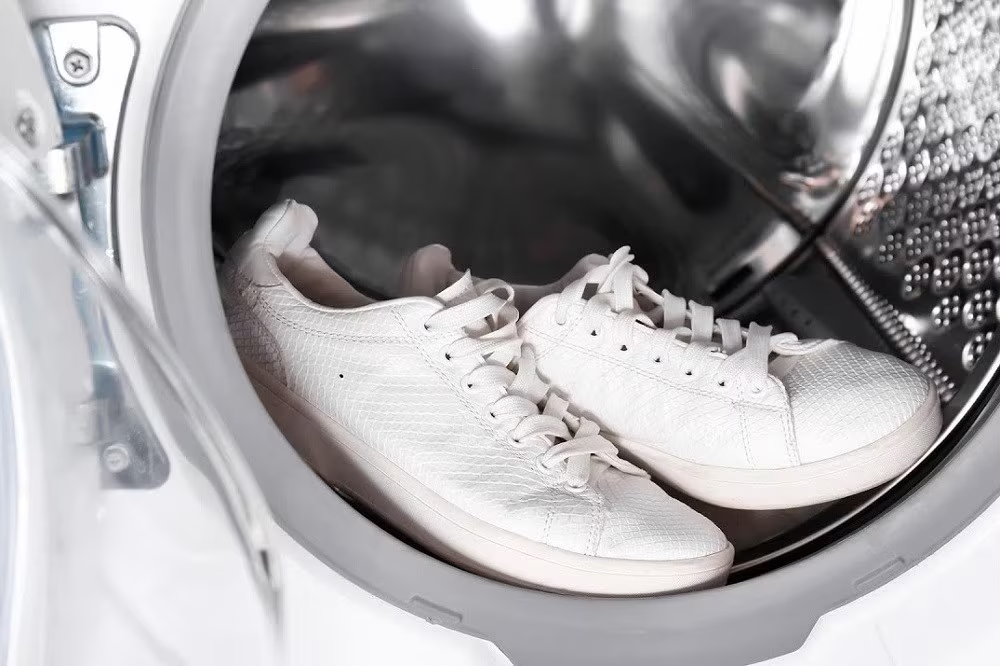
Throwing your shoes in the washing machine can be a game-changer for convenience, but it’s a move that requires careful preparation to avoid damage. Using safe methods for cleaning your shoes in a washing machine means knowing which materials can handle the spin cycle, how to protect their structure, and which settings to use for optimal results. This guide walks you through pre-treatment, bag selection, and the ideal machine settings to effectively refresh your sneakers, canvas shoes, and other washable footwear without compromising their shape or longevity.

Cleaning shoes can sometimes feel like a daunting task, especially when they are particularly muddy or have caked-on dirt. However, with the right approach and an understanding of your washing machine, you can effectively wash your trainers without causing damage. Many manufacturers provide guidelines on how to maintain their products, but knowing how to adapt those instructions to fit your household’s needs can make the process much easier.
In this guide, we will walk you through the optimal settings you should use for various materials, including fabric and washable synthetics, ensuring that your shoes come out looking fine. It’s essential to prepare your shoes properly; this includes removing any tangled shoelaces and cover components like eyelets, which could potentially get damaged during the wash. Additionally, taking the time to place your shoes evenly in the washer will prevent an unbalanced load, making it easier to achieve clean results without risking damage.
After your first wash, it’s a good idea to inspect your trainers and determine if further cleaning is needed. You might even find that a quick touch-up with a damp toothbrush can help. This method not only allows you to maintain the integrity of the materials but also provides a sharp finish to your shoes, extending their lifespan. Whether you’re dealing with kids’ sneakers or your own favorite styles, cleaning them in a washer doesn’t have to be complicated–simply plan your loads wisely and enjoy the ease of fresh footwear.
Preparing Your Shoes for the Wash
Before throwing your trainers into the washing machine, it’s essential to prepare them properly. The type of shoes you have will determine the best way to proceed. For instance, football shoes or those made of delicate materials might need a different approach compared to sturdy trainers. Always check the tags for any specific washing instructions, as this will help you avoid damaging them.
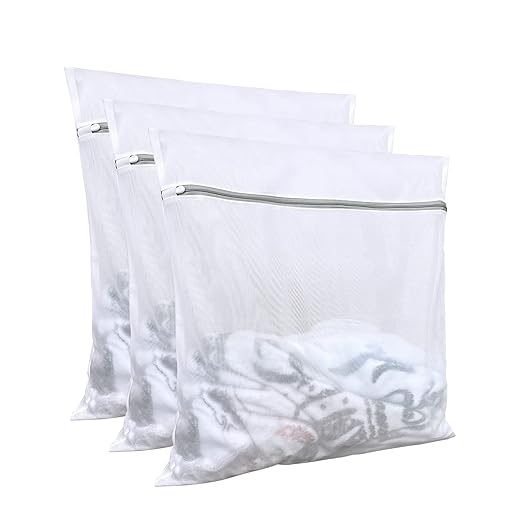
Start by removing the insoles and laces. Insoles can retain moisture and soap, making the cleaning process less effective. By taking them out, you’re ensuring a more thorough clean through the entire shoe. If they’re particularly stubborn with dirt, consider giving them a quick hoover or brushing before washing. Laces can be washed separately; simply place them in a mesh bag or pillowcase to keep them secure during the wash.
Next, make sure to treat any muddy spots or stains with a good soap solution. A baking soda paste can often work wonders on tough stains, especially if the material is fabric. For shoes made of foam or other delicate materials, keep an eye on the settings you choose in your top-load machine. Lower temperatures are usually safer because they reduce the risk of warping or damage to the shoe’s construction.
When you place your shoes in the machine, consider including towels to balance out the load and minimize noise during the spin cycle. This method is particularly useful for larger loads. If you’re not sure how your shoes will handle the wash, you could run a cold rinse cycle first to see how they react. Remember, whether you’re looking for a quick clean or a more thorough wash, taking care of your shoes at home can prolong their life and keep them looking fresh.
Finally, after the wash, allow your shoes to air dry completely. Avoid using a dryer as the heat might warp the shape or damage the material. This preparation step can significantly enhance the potential of your washing machine experience, ensuring your trainers come out looking as good as new!
Check Material Compatibility
When you plan to wash your footwear in a washing machine, the first step is to check the material compatibility. Different types of shoes are constructed from various materials, and knowing these can prevent damage during the cleaning process. For example, sneakers made of canvas or synthetic fabric can typically withstand a cycle in the washing machine, while leather shoes may need a different approach. If you’re unsure, it’s good to do some research or refer to the manufacturer’s recommendations.
Consider the washing machine settings when cleaning your shoes. A top-load Maytag machine is capable of handling larger loads, but often has a more aggressive agitation than front-load variants. Setting the drum to a delicate cycle may be a good idea for fragile footwear like slippers or shoes with intricate designs. Many users, like Alicia, have found success in using cooler water to reduce the risk of glue breakdown and colour fading, especially if the shoes are dirty or heavily stained.
To ensure a safe wash, follow these suggestions. You might want to remove laces and insoles to avoid tangling and excess wear during the cycle. This not only helps in cleaning but also protects your shoes from damage. Some people even have success washing shoes overnight for a “quick clean.” Just be sure that the setting you choose prevents shrinkage and maintains the integrity of the material. Amanda Sokolowski suggests checking fabric labels beforehand–as these can really help you plan the best washing approach.
| Material Type | Washing Recommendations |
|---|---|
| Canvas | Machine wash on delicate settings |
| Synthetic | Cool wash, removable parts |
| Leather | Hand-wash recommended |
| Mesh | Machine wash in a laundry bag |
In conclusion, think about the type of materials your footwear is made from and adjust your washing plan accordingly. By doing this, you’re ensuring a longer lifespan for your shoes while keeping them clean and ready for use. Before you toss those shoes in the washing machine, always check the compatibility to prevent any mishaps!
Remove Laces and Insoles

Before you throw your shoes into the washing machine, the first step you should take is to remove the laces and insoles. This simple action helps to prepare the item for an effective wash, ensuring optimal results. Leaving laces and insoles in can lead to several issues, such as entanglement or damage to both your shoes and the machine itself.
When removing laces, think about how to keep them clean, too. You can soak them in a mixture of soap and warm water or even use a gentle dishwashing detergent. Avoid any harsh chemicals that could damage materials like satin or polyester. If they’re particularly dirty, you can wipe them down with a cloth to reduce grime. However, always check the labels on your laces for specific care guidelines from the manufacturers.
As for insoles, these can typically become a breeding ground for odor and bacteria. Remove them and give them a quick wipe down with a cloth soaked in a gentle soap solution. This not only helps to keep your insoles spotless but also extends their life. Some insoles are made from materials that are safe to wash in the machine, but check the label to ensure you don’t risk damaging them.
Once you have prepared your shoes by removing these components, you will find that cleaning becomes much easier. Shoe care doesn’t have to be a hassle, especially when you follow the right steps. Amanda’s recommendation would be to toss your shoelaces into a mesh laundry bag to keep them together during the wash. This keeps them safe and ensures they come out looking great.
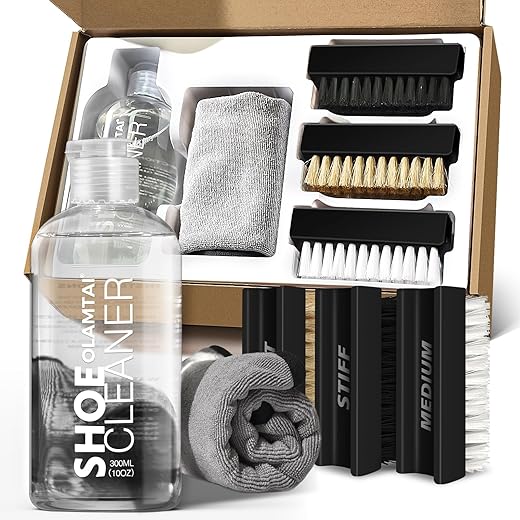
By following these guidelines, you can effectively clean your shoes without causing any damage. So, gear up and get ready to see your favorite kicks rejuvenated to perfection! For those looking for helpful cleaning supplies, check out highly-rated products on Amazon like the “Shoe Cleaning Kit” or “Insole Cleaner,” both designed to keep your shoes looking their best.
Inspect for Loose Parts
Before throwing your trainers into the washing machine, it’s crucial to inspect them for any loose parts. Different brands and types of shoes tend to have various components that may come undone over time. Check the laces and eyelets for any tangles or damage. If you notice anything loose, it’s best to fix these issues first. Use a simple repair method, like replacing laces or tightening eyelets, to prevent further damage during washing.
While a washing machine can withstand heavy loads, the safest approach is to pre-treat any obvious stains. This will not only help in cleaning but also shield your shoes from potential colour fade. You might want to think about using a warm cloth to scrub the stains with a gentle cleaner large enough to be effective but soft enough not to damage the material.
For those trainers made from cotton or other delicate materials, you should follow the label’s recommendations closely. Some styles, particularly those with a premium finish, cannot be washed as they will shrink or lose their shape. Instead, you might consider alternative cleaning methods like using a hoover for quick dirt removal or a toothbrush for more thorough scrubbing without risking the integrity of the fabric.
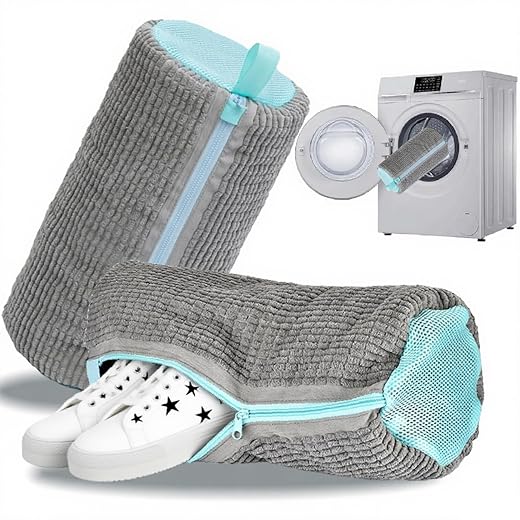
In addition, during the washing cycles, place shoes in a mesh bag. This keeps them safe during the process, preventing any hard collisions that could loosen parts further. Once done, air-dry your shoes rather than using a dryer, as high heat can damage many types of shoes.
Looking after their condition not only prolongs their lifespan but also ensures comfort for every step you take. By being cautious and following this guide, you can effortlessly maintain the great look of your shoes while effectively cleaning them. For excellent alternatives, consider checking out products like Shoe Cleaning Kit or [Mesh Washing Bags](https://www.amazon.com/dp/B07X6G3BBR) on Amazon, which can aid in your cleaning routine.
Selecting the Right Washing Settings
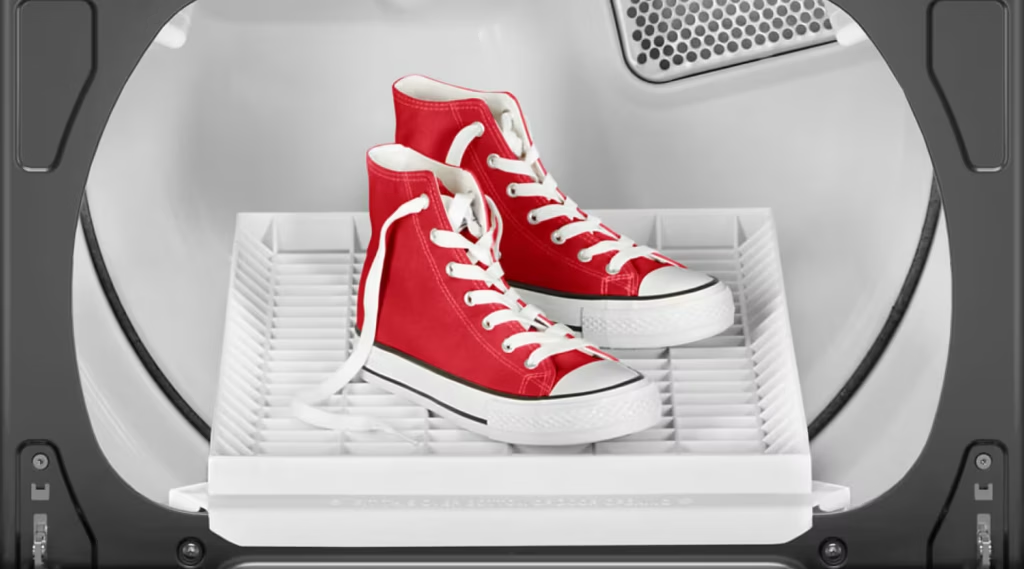
When it comes to cleaning your shoes in the washing machine, selecting the right settings is crucial. Always check the labels on your shoes for guidance on washing options. For example, leather and suede shoes generally require a more gentle approach. They might not be compatible with the standard washing machine settings, and hand-washing could be a better idea to avoid damaging your favorite pairs.
For shoes like boots or canvas sneakers, you can typically choose a light cycle. Ensure that the drum is spacious enough, allowing your shoes to move freely without getting crushed. An integrated or delicate setting works best, enabling the soap, whether it’s liquid or powder, to dissolve effectively and reach all areas of your shoes.
Should you have white shoes with stubborn stains, consider pre-treating them with a mixture of water and liquid soap. Using an old toothbrush can help scrub away the dirt before placing your shoes in the machine. This step can be a game-changer, as it prepares your shoes for a deeper clean, minimizing the risk of leaving any bacteria behind.
After the washing cycle, avoid the temptation to throw your shoes in the dryer. Instead, air-dry them. Placing them in a well-ventilated area is the safest way to ensure they remain unscathed. You can even stuff them with newspaper to help retain their shape while drying. Just remember, keeping a watchful eye on how they’re drying can prevent any unwanted damage.
For those who prefer a more hands-off approach, consider using products like the Shoe Cleaning Kit or specialized washable shoe bags, which can protect your footwear during the wash. Follow these easy steps, and you’ll be sure that your shoes will be looking fresh, no matter the material!
Choose the Appropriate Water Temperature
Choosing the right water temperature is crucial when washing shoes in a washing machine, as it significantly prevents damage and helps in removing dirt and stains effectively. For most washable shoes, a gentle cycle with cold water is often the best choice. Cold water is less likely to damage the materials and adhesives used in shoes, especially for those with integrated designs or glued components. This is particularly important for athletic shoes, such as football cleats, which tend to have sensitive parts.
While it might be tempting to throw your shoes in with hot water to deal with tough grime, this can lead to potential issues, like warping or damaging the glue that holds them together. To keep your shoes unscathed and maintain their appearance for a longer time, stick to cold or lukewarm temperatures. You can always rinse them later with warm water if necessary, but be mindful to avoid excessive heat that might lead to them losing their shape.
To enhance the cleaning process, consider using a washing bag to keep them from getting tangled in the drum of a top-load machine. This also helps prevent your shoes from banging around too harshly against the surfaces of the machine, protecting both the shoes and the machine itself. For dirt-drenched soles, pre-scrubbing with a soft brush can be beneficial before putting them through the washing machine.
After washing, it’s crucial to deal appropriately with drying. Never throw your shoes in a dryer as the high heat can warp the materials. Instead, allow them to air dry naturally in a well-ventilated area. In addition to keeping their shape intact, this method also ensures that you’re extending your shoes’ lifespan, allowing you to enjoy them for every occasion without worrying about damage. With these simple and effective methods, you can clean your favorite shoes safely and efficiently at home.
Determine the Spin Speed
When washing shoes in your machine without damage, determining the right spin speed is crucial. Different types of footwear require different settings to keep their appearance looking fresh and clean. For instance, materials like suede and satin can be particularly sensitive, so a lower spin speed is advisable. Remember, higher speeds can lead to an unbalanced load, which may cause your machine to become noisy or damaged.
To prepare for the wash, make sure you’ve removed any loose dirt or debris from the surface of your shoes. A quick hoover or a thorough rinse with water can ensure that nothing gets caught in the washing machine. When trying to clean more delicate materials, like fabric or certain types of leather, it’s always best to use a gentle cycle. A soft toothbrush can be helpful for removing stains that need extra attention.
During the wash cycles, think about the protection your shoes need. Using a laundry bag can help shield them from sharp objects in the machine. Follow this guide closely, and you’ll reduce the risk of damaging your favorite footwear. A setting that combines a quick wash with a gentle spin can be beneficial for washable shoes, ensuring they come out looking their best.
Here are some tips to keep in mind:
- Always check the care instructions for your shoes.
- If you have multiple pairs, do a mixed load with similar materials.
- Consider using a washing machine cleaner if you frequently wash shoes, to maintain the machine’s effectiveness.
For advice on Amazon products, you might want to look into shoe cleaning kits or specific washing bags designed for footwear, which can help in ensuring a thorough clean without risking damage. Products like the Sneaker Cleaning Kit or the Delicate Wash Bag can be fantastic additions to your home cleaning supplies.
Protecting Your Shoes During the Wash
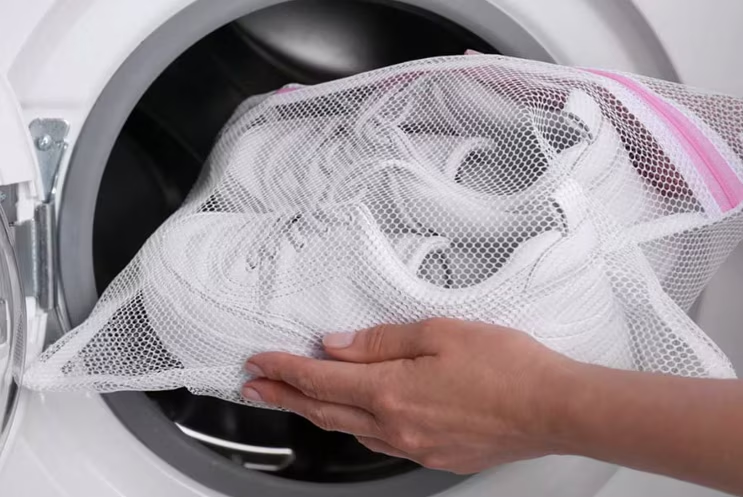
When it comes to cleaning your sneakers or boots in a washing machine, safety and care are paramount. Follow these tips to ensure your shoes remain unscathed throughout the laundering process. Start by preparing your footwear. Remove any excess dirt, especially if they are muddy. This will prevent the washing machine from becoming overloaded with debris and will result in a better clean. You can simply use a soft brush or a damp cloth to do this.
Cover your shoes with a mesh laundry bag. This simple solution adds an extra layer of protection against sharp edges and reduces the risk of damage during the spin cycle. Brands like “Bags for Less” offer excellent options on Amazon that are both affordable and effective. Additionally, to maintain the integrity of different materials, particularly polyester and leather, washing at cooler temperatures is recommended. A cold cycle is gentler and helps prevent fading while ensuring good results.
Another important step in your washing plan is to load your washing machine properly. Avoid unbalanced loads by washing shoes along with soft clothes, like towels. This counterbalances the weight in the machine and reduces the risk of any potential damage. If you’re worried about stains, vinegar can be an excellent choice for a natural solution. Adding a cup of liquid vinegar to the wash can help remove stubborn stains without harming the material of your shoes.
After washing, let your shoes air dry in a cool spot, avoiding direct sunlight, which can warp and damage their structure. Proper care after washing extends the life of your footwear. Following these recommendations from our guide, sourced from various trusted websites, will help keep your favorite pairs looking fresh and intact for years to come!
Q&A:
Is it safe to wash all types of shoes in a washing machine?
No, not all shoes are suitable for machine washing. Generally, canvas and synthetic shoes do well in the washing machine, while leather and suede materials can get damaged. Always check the manufacturer’s care instructions before attempting to wash any shoes in your machine.
What preparations should I make before putting my shoes in the washing machine?
Before washing your shoes, first remove the laces and insoles. This helps the shoes clean more thoroughly and prevents tangling in the machine. You should also brush off any loose dirt or mud to minimize residue inside the washing machine.
What settings should I use on my washing machine for cleaning shoes?
When washing shoes, use a gentle cycle with cold water to protect the material. It’s also a good idea to place your shoes in a mesh laundry bag to prevent them from banging around too much. Adding some towels can help balance the load and reduce noise during the wash.
Can I use any type of detergent for washing shoes in a machine?
It’s best to use a mild detergent specifically designed for delicate fabrics. Avoid bleach and strong chemicals, as they can damage the shoes and their colors. If you’re worried about odor, consider adding a cup of white vinegar during the rinse cycle for a natural fresh boost.
How should I dry my shoes after washing them in the machine?
After washing, do not put your shoes in the dryer, as the heat can warp their structure. Instead, air-dry them in a well-ventilated area, away from direct sunlight. You can stuff them with newspaper or paper towels to help absorb moisture and maintain their shape as they dry.
Can I wash all types of shoes in the washing machine?
No, not all types of shoes are suitable for machine washing. Generally, canvas and synthetic shoes can be cleaned this way, while leather, suede, and certain delicate materials should not be washed in a machine. Always check the manufacturer’s care instructions before proceeding.
What preparation should I do before putting my shoes in the washing machine?
Before machine washing your shoes, it’s essential to perform a few preparations. First, remove the shoelaces and insoles, as these can be washed separately or may require hand cleaning. Secondly, check for any loose debris, like dirt or gravel, and remove it. Consider placing your shoes in a laundry bag to protect them during the wash cycle. Lastly, choose a gentle cycle with cold water to minimize any risk of damage.