


A sudden loss of suction power in your vacuum cleaner can turn a simple chore into a frustrating struggle. Fortunately, this common issue is often easy to diagnose and fix at home with a few simple steps. From clearing clogged hoses and replacing worn filters to checking for full dust bins and tangled brush rolls, these practical instructions to restore suction power will guide you through a systematic check-up. Get ready to revive your vacuum’s performance and achieve that deep-clean efficiency you rely on.

Having a vacuum cleaner that has lost its suction power can be incredibly frustrating. In many cases, the source of the problem lies in blockages or damage within the machine itself. Before you consider investing in a new device, it’s important to inspect your vacuum cleaner thoroughly. This guide will help you tackle common issues step-by-step, ensuring that your vacuum is running efficiently once again. It might only take a few tools and some time on your part to spot the problem and perform the needed repairs.
First and foremost, you should take the time to check for any visible debris that may have caused blockages. Over time, hair and other small items can accumulate in the canister, filter, or hose, significantly affecting suction capacity. If your vacuum started making screeching noises or smells like it’s overheating, these could be signs of a deeper issue that requires attention. Scripted into everyday tasks, a faulty vacuum only adds to the stress of maintaining your home’s cleanliness.
As we go through this guide, we’ll cover specific areas to inspect, including the height adjustments and flexible parts of the device. Certain components might be quite damaged and may need replacing, while others simply require some maintenance. Having correct tools on hand will greatly help, as will the professional advice you can find here. By inspecting and potentially repairing these areas, you can breathe new life into your vacuum cleaner instead of ditching it for a new model within the next month.
Identifying the Cause of Loss of Suction
When your vacuum cleaner starts to lose suction power, it can feel like you’re battling a monster in your home. Over the years, owners have noticed that even the best-built vacuums can develop issues that affect their performance. Unlike a new vacuum that works efficiently, a worn-out model can create more frustration than results. To quickly diagnose the problem, it’s important to look for potential sources of the issue.
One common issue is a blockage in the airway. Dirt and small objects can easily get stuck in the hose or inside the housing, restricting airflow. To identify whether this is the case, take a moment to check the flexible hoses, and remove any dirt or obstructions you find. Also, consider the filters; non-washable filters, which are built to last but not meant for cleaning, can get clogged over time. Regular maintenance and routine checks can help prevent dirt build-up that could lead to suction loss.
Leaks are another potential source of suction loss. If you hear noises such as screeching or unusual sounds, it might indicate damage to your vacuum’s internal components. Make sure to inspect for any cracks or holes that could be causing air to escape. In some instances, checking the battery compartment is also essential, as lithium-ion batteries can sometimes become unseated or damaged, leading to poor suction.
If you find that your vacuum cleaner still isn’t performing well after these checks, it could require professional repairs. Before investing in repairs, weigh the cost against purchasing a new model. Products like the Shark Navigator Lift-Away and Dyson V11 Torque Drive are excellent options that typically last longer and maintain suction power under various conditions.

Dyson V11 Torque Drive+ Cordless Vacuum Cleaner (Renewed Premium)
Features
| Brand | Dyson |
| Special Feature | 9 Dyson engineered tools, Bagless, LCD Screen |
| Filter Type | Post Motor Filter |
| Included Components | Combination tool, crevice tool, Light pipe crevice wand clip, hair screw tool, charger, Mini soft dusting brush, Stubborn dirt brush, Reach under tool, Vacuum Cleaner, Wand, Digital Motorbar cleaner head, Docking station, wand clip, hair screw tool, charger |
| Is Cordless | Yes |
| Surface Recommendation All floors | Surface Recommendation All floors |
| Power Source Battery Powered | |
| Power Source Battery Powered | |
| Voltage 25.2 Volts | Voltage 25.2 Volts |
| Item Weight 6.68 Pounds | |
| Item Weight 6.68 Pounds |
- Pioneering Dyson technology, refurbished by our dedicated team of experts. Inspected, tested, and renewed. Guaranteed to our uncompromising standards.
- Automatically adapts power and run time. Deep cleans everywhere with digital display.
- Engineered for whole-home, deep cleaning. Suction power, run time and tools designed to deep clean your whole home.
- Intelligently optimizes suction and run time across all floor types. Dyson DLS technology automatically senses and adapts to changes in floor type to extend run time. The right balance of power and run time when you need it.
- LCD screen displays run time and performance. Digital display shows run time countdown to the second and displays maintenance alerts, giving you complete control of your clean.
- 60% more suction than the Dyson V8 vacuum.
In conclusion, having a solid understanding of your vacuum’s components can help you quickly identify issues that lead to loss of suction. By checking for blockages, leaks, and worn-out parts, you can ensure your vacuum performs well and keeps your spaces clean. Remember, addressing these issues promptly can save you both time and money in the long run. Just like maintaining your vacuum, keeping a routine check on other household items can lead to a more efficient living environment.
Check for Blockages in the Hose
Recently, many homeowners noticed that their vacuum cleaners were losing suction power, making routine cleaning tasks much more challenging. If you’re battling dirty carpets or floors covered in pet hair, it’s essential to check for blockages in the hose. This step is often tool-free and can create significant improvements in your vacuum’s performance in just a few minutes.
To start, physically inspect the hose. Often, you’ll find that debris becomes trapped, preventing airways from functioning correctly. A strong flashlight can be helpful for this task. Shine it along the length of the hose to look for any obstructions. If you notice a blockage at the bottom or any other section, it’s possible to remove it simply with your hands or a broom handle. If the hose is too flexible or still feels dirty after your inspection, consider replacing it with a quality tool like a new hose from Amazon, such as the Bissell Vacuum Hose Kit.
Unfortunately, some homeowners overlook the importance of maintaining their vacuum’s hose. Regular checks can prevent unwanted grinding or decreased performance, ensuring your trusted vacuum lasts longer and continues to drive through tough cleaning tasks. Additionally, products like vacuum cleaner hose attachments can be found online to ensure your vacuum is always ready for effective service in your home.
In conclusion, ensuring that your vacuum cleaner hose is free of blockages not only enhances its life but also saves you time and hassle. Explore these helpful tips, and don’t forget that even small adjustments can lead to significant improvements in your vacuum’s suction capabilities.
Inspect the Filters for Clogs
When your vacuum cleaner starts losing suction power, it’s essential to inspect the filters for clogs. Every manufacturer designs their vacuum with filters that can become obstructed over time, especially in homes where dirt and debris accumulate faster. Follow this step-by-step guide to clear any stubborn clogs and restore your vacuum to its full potential.
First, separate the filters from the vacuum head. In many models, this can be done easily by twisting or pulling. Keep any necessary tools, like scissors, handy in case you encounter strong, stubborn clogs. This will allow you to cut away any blunt debris that might be lodged in the filter. Remember that some filters are non-washable; in such cases, it might be time to look for a replacement. Consider products like the HEPA filter from Amazon that are known for their efficiency. It’s a simple and cost-effective way to ensure your vacuum runs smoothly.
Once the filters are removed, check for dirt and debris build-up. If the filters are clogged, they could be damaging your vacuum’s performance, leading to costly repairs down the line. For washable filters, rinsing under clear water can help remove particles effectively. Just make sure to allow them to dry completely before reinserting them into the machine. If you find there’s too much damage or wear, you could look for replacements easily online. A strong recommendation is to look for filters that are compatible with your vacuum model, ensuring you don’t lose time or effort.
If you’ve done all this and your vacuum is still struggling with suction, it might be worth contacting a service expert. Sometimes a doctor for vacuums can diagnose issues that are less obvious. In conclusion, regularly inspecting and maintaining the filters of your vacuum cleaner is an important part of keeping it functioning optimally. With this advice in hand, you can prevent major frustrating issues and enjoy cleaner homes more efficiently. Stay proactive about repairs, and you won’t have to dial up costly services every month!
Examine the Floor Head and Brush Roll
When a vacuum cleaner loses suction power, one of the first areas to check is the floor head and brush roll. These components are crucial for ensuring your vacuum can effectively clear dirt and debris from both carpets and hard floors. A dirty or damaged brush roll can lead to frustrating issues, like screeching noises or bad smells, indicating it may be trapped with hair, dirt, or other debris.
Start by inspecting the floor head and brush roll for any visible blockages. Remove any tangled hair or fibers that may be caught around the bristles. In many cases, a simple cleaning can instantly improve suction power. If the bristles show signs of tear or wear, it might be time for replacing the brush roll. Look for ultra-durable options like the “Shark Brush Roll” available on Amazon, known for its improved performance and lifespan.
Don’t forget to check the dustbin, as a full bin can also lead to a loss of suction. Empty it regularly and wash it to ensure there’s no residual dirt trapped inside. Manufacturers often provide reviews and recommendations for maintenance tasks that you can perform for optimal operation. For example, some vacuum cleaners allow you to clear the filter, which is another step to take for smooth functionality.
Finally, if you notice that the brush roll still doesn’t spin properly after cleaning, it could indicate a deeper issue with the flooring head components. In such cases, it may be worth contacting your manufacturer for guidance. Taking care of these areas not only improves performance but also extends the lifespan of your cleaner. In conclusion, by dedicating just a little time to inspect and maintain the brush roll, you’ll ensure your vacuum continues to work like new, tackling tasks that keep your floors spotless.
Cleaning and Maintenance Steps
Maintaining the suction power of your vacuum cleaner is essential for ensuring that it performs effectively in your home. Regular cleaning and inspection can make a significant difference in its lifespan and efficiency. Here’s a step-by-step guide on how to clean and maintain your vacuum, ensuring it starts working like new again.
First, check the airway for blockages. This is a common issue that can stop your vacuum from sucking up dirt efficiently. Remove any debris that might be stuck in the airway. Sometimes, stubborn particles can be deeply lodged, so take your time to look thoroughly. Once you’ve cleared it out, reinstall the canister and other attachments. Modern manufacturers often design their products to be easily assembled, making this process quick and straightforward.
Next, regularly inspect the filters. A sealed or clogged filter can drastically reduce suction power. Depending on the model, you may need to replace or wash the filters. Investing in high-quality filters from trusted brands can help extend the lifespan of your vacuum. Most households can benefit from reusable filters, which are not only cost-effective but also environmentally friendly.
For those using bagless models, checking the canister capacity is crucial. If it’s full, your vacuum won’t perform correctly. Empty the canister often, especially if you deal with a lot of pets or debris. Furthermore, attachments like brushes and hoses should be checked for clogs and cleaned as well. They play an essential role in maintaining airflow.
Lastly, if you notice a grinding noise or reduced performance, there might be a deeper issue at play. This could require more extensive repair tasks. For repair needs, don’t hesitate to consult trusted guides or professionals who are knowledgeable about modern vacuums. Remember that proper maintenance ensures that your vacuum cleaner stays efficient, keeping your home free of dirt and dust.
To sum it up, regular inspection and cleaning of your vacuum cleaner can save you money and hassle in the long run. By following these steps, you’ll be able to keep your vacuum in top condition, enhancing its performance and longevity. For more tools and accessories, check out products like the Dyson HEPA Filter or the Shark Canister Vacuum for effective cleaning solutions.
How to Clean the Filters Properly
Maintaining your vacuum cleaner’s filters is essential for ensuring its efficient performance. If you’ve noticed symptoms like reduced suction or loud noises coming from your appliance, it might be time to focus on this section. Filters can become clogged with dust and dirt, leading to blockages that prevent airways from functioning properly. Regular maintenance can improve the condition of your vacuum and help battle any acrid smell that may arise from trapped debris.
First, start by emptying the dust container or bag. If the container is sealed or damp, it can lead to poor airflow and leave your vacuum playing tricks on you. For upright models, check the manufacturer’s guidelines, like for Electrolux, for specific advice on filter cleaning. This month, consider making it a part of your routine to clean the filters at least every few hours of usage.
To clean the filters thoroughly, you can use lukewarm water to rinse them. Simply submerge them and gently push out the dirt without damaging the material. After washing, make sure to let them dry fully, as any remaining moisture can attract further grime and odors. This damp condition may lead to high-pitched noises that indicate your vacuum is struggling due to insufficient air circulation.
If you want to take your maintenance a step further, consider using specialized filter cleaning products available on platforms like Amazon. For example, the Ultra HEPA Filter or Vacuum Cleaner Filter Cleaner can help maintain filter efficiency. Unlike simple rinsing, these products are designed to eliminate even the toughest build-up.
In conclusion, taking a few minutes each month to check and clean your vacuum’s filters can make a significant difference in performance. Keeping everything clear helps prevent blockages and improves your machine’s overall efficiency, leaving you with a good vacuuming experience. So, don’t wait! If you’ve noticed a loss of suction or odd noises, call for assistance if necessary, but likely, this is a fixable issue that you can handle yourself.
Steps to Unclog the Hose
If you have noticed a decrease in suction power from your vacuum cleaner, one of the first places to check is the hose. A blocked hose can cause a range of issues in both bagged and bagless models. Regularly unclogging the hose can prevent further problems and ensures that your vacuum runs efficiently.
Begin by disconnecting the vacuum cleaner from the power source. This is crucial for safety. Next, inspect the hose for any obvious signs of blockage. Common indicators include a strange smell, a screeching noise, or reduced airflow. If you can visually identify the blockage, try to remove it using your hands if it’s accessible. For stubborn clogs, you may need to utilize tools like scissors or a flexible rod to dislodge debris.
Once you’ve cleared the visible clogs, it’s time to check the filters. Non-washable filters should be replaced, whereas washable ones can simply be cleaned with water. If your hose has a port for cleaning, use it to facilitate the removal of any lingering dust and debris inside. Also, consider how often you maintain your vacuum; cleaning the hose regularly, at least once a week, can greatly reduce the chances of heavy blockages.
After the hose is cleaned, reattach it to your vacuum and try a test run. If you still experience suction issues, there may be further damage or leaks elsewhere in the main unit. In such cases, it’s essential to consult your warranty or reach out to a service professional. Brands like Bissell and Shark have models that are particularly well-reviewed for their efficiency and flexibility. Check out products like the Shark Navigator Lift-Away or Bissell Cleanview upright on Amazon to see what fits your needs best.
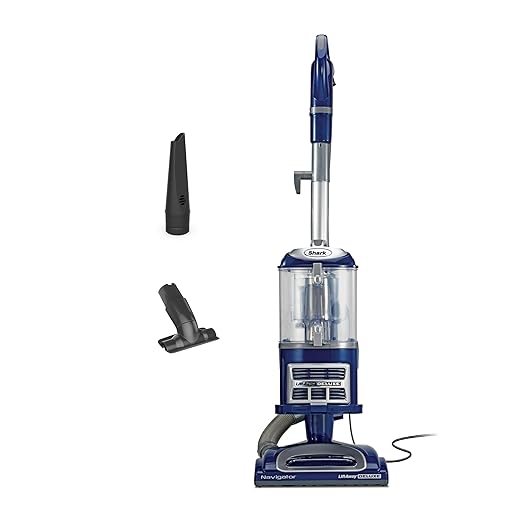
Shark Upright Vacuum, Navigator Lift-Away Deluxe with Large Dust Cup Capacity, HEPA Filter, Swivel Steering, Upholstery Tool & Crevice Tool, Blue, NV360
Features
| Brand | Shark |
| Color | Navy |
| Item Weight | 16 Pounds |
| Product Dimensions | 11.61"D x 14.37"W x 26.77"H |
| Style | Navigator (Navy) |
| Model Name | Shark NV360 |
| Capacity | 0.9 Liters |
| Power Source | Corded Electric |
| Manufacturer | SharkNinja |
| Global Trade Identification Number | 00622356533225, 10622356533222 |
| UPC | 622356533225 |
| Item Weight | 15.96 pounds |
| Department | Floorcare |
| ASIN | B00JH98GR4 |
| Item model number | NV360 |
| Is Discontinued By Manufacturer | No |
| Specific instructions for use | Dual action |
| Form Factor | Upright |
| Finish types | Glossy |
| Assembly required | Yes |
| Number of pieces | 1 |
| Warranty Description | Sharkninja five-year (5) limited warranty. |
| Batteries required | No |
| Included Components | Crevice Tool |
| Import | Made in USA and Imported |
- POWERFUL SUCTION: Deep-clean carpets and tackle bare floors with multi-surface powerful suction.
- LIFT-AWAY FUNCTIONALITY: Detachable pod for cleaning under furniture or detach the nozzle to clean above the floor, on upholstery, furniture, stairs, and more.
- ANTI-ALLERGEN...

Bissell CleanView Upright Bagless Vacuum Cleaner with Active Wand, 3536
Features
| Brand | Bissell |
| Special Feature | Lightweight |
| Filter Type | HEPA Filter |
| Included Components | Brush |
| Is Cordless | No |
| Capacity | 2 Liters |
| Hose Length | 3 Feet |
| Recommended Uses For Product | Pet Foundation |
| Form Factor | Upright |
| Color | Black/Cobalt Blue |
| Model Name | CleanView |
| Product Dimensions | 15.24"L x 44"W x 15"H |
| Noise Level | 70 Decibels |
| Amperage | 2.5 Amps |
| Manufacturer | BISSELL |
| Number of Items | 1 |
| Controller Type | Push Button |
| Control Method | Touch |
| Style | CleanView |
| Portable | No |
| Number of Power Levels | 1 |
| Series Number | 3536 |
| IndoorOutdoor Usage | Indoor |
| Vacuum Collection Technology | Cyclonic Technology |
| UPC | 011120268959 |
| Item Weight | 15.57 pounds |
| ASIN | B0B1RVNNN7 |
| Item model number | 3536 |
| Batteries required | No |
- EVERY PURCHASE SAVES PETS. BISSELL proudly supports BISSELL Pet Foundation and its mission to help save homeless pets.
- ACTIVE EXTENSION WAND. Reaches up to 10 feet, so cleaning hard-to-reach areas is quick and easy.
- ONEPASS TECHNOLOGY. Cleans carpet on the first pass.
- SCATTER-FREE TECHNOLOGY. Captures messes on hard floors with less scatter.
- XL DIRT CONTAINER. XL Dirt Container holds up to 2 liters of debris.
In summary, unclogging the hose is a fixable task that ensures your vacuum cleaner operates properly. By regularly checking for blockages and maintaining your machine with care, you can extend its lifespan and improve its performance.
Q&A:
What are the common reasons for loss of suction power in a vacuum cleaner?
There are several reasons your vacuum cleaner may lose suction power. One common cause is a clogged filter or bag. When these components are blocked, airflow is restricted, resulting in reduced suction. Another issue could be a blockage in the hose or wand, which can accumulate dirt and debris over time. Additionally, worn-out belts or brushes may hinder the vacuum’s performance. Finally, leaks in the vacuum’s body or connections can also lead to a decrease in suction power.
How can I clean my vacuum’s filter and restore its suction?
Cleaning the vacuum filter is a straightforward process. First, you should turn off and unplug the vacuum. Remove the filter according to your model’s instructions. Depending on the type, you may be able to rinse it under warm water or simply tap it to remove dust. After cleaning, allow the filter to dry completely before reinstalling it. If your filter is reusable, make sure to check your manufacturer’s recommendations regarding cleaning frequency to maintain optimal performance.
What should I do if my vacuum cleaner still has low suction after cleaning the filter?
If cleaning the filter does not restore suction, inspect the hose and wand for blockages. Detach them from the main unit and use a long, flexible brush or a broom handle to dislodge any debris. Check for cracks or holes in the hose that could cause air leaks. Additionally, examine the brush roll to ensure it is free of hair or tangled debris. A damaged belt may also need replacement, as a worn belt can result in poor brush performance. If issues persist, consider consulting a professional repair service.
How do I know if the vacuum cleaner belt needs to be replaced?
Signs that your vacuum cleaner belt may need replacement include a burning smell, loss of suction, or if the brush roll isn’t spinning as it should. Inspect the belt for wear signs, such as fraying or stretching. If the belt looks damaged, it’s advisable to replace it with a new one. Check your vacuum’s manual for the correct belt type and replacement instructions.
Can regular maintenance help avoid loss of suction in the vacuum cleaner?
Yes, regular maintenance can significantly help maintain suction power in your vacuum cleaner. This includes routinely checking and cleaning the filter, emptying the bag or canister, and inspecting the hose and attachments for clogs and wear. Cleaning the brush roll and checking for belt wear should also be part of your routine maintenance. Following these steps can prolong the life of your vacuum and ensure it operates effectively.
What are some common reasons a vacuum cleaner loses suction power?
There are several reasons why a vacuum cleaner may lose its suction power. One common issue is a clogged filter or dust bag. Over time, these components can become filled with dirt and debris, restricting airflow. Another possibility is a blocked hose or nozzle, which can occur if small objects or large amounts of hair get trapped inside. Additionally, wearing out brush rolls or seals can lead to a loss of suction. Lastly, a malfunctioning motor may also be the culprit. Regular maintenance can help prevent these issues and keep your vacuum functioning properly.

Other Articles


At a loss for words. Warning, it’s a long read, but I wanted to go into deep detail.To start, I have been a Rainbow vacuum user for so long. I love them and felt they worked amazingly.Next, I have 3 dogs & a cat. One is a thick coat lab and the cat sheds so much as well.Another next, I have horrible allergies and wanted something that would help keep them calm as well. I also have a lung disease and need something that will pick up as much junk as possible to keep them clear.Now, on to the Shark vacuum.I got tired of lugging around the Rainbow and wanted to look into a vacuum that my daughter could use and help out.I found this Shark vacuum and 6 others that grabbed my attention.I dug deep. I read through every review, good, bad, indifferent.I wanted a vacuum that was going to truly pick up pet hair/dander, as well as pick up sand & dirt.I was drawn to this specific vacuum saying pet & allergen vacuum and loved that so many of the reviews said it had amazing suction power.I thought there’s no way ut can be as amazing as most were raving about.After 2 months of digging and narrowing down vacuums, I was left with this one. I finally decided to purchase it and see what all the fuss was about.It came in today and I immediately out it together to the it out.I had just vacuumed with my Rainbow vacuum 2 days before, so I didn’t expect much.Oh….my….gosh…! I am blown away! Seriously, no joke!The picture you see attached was after 2 passes over a 2′ x 2′ area in my living room. Not kidding…pushed it forward, pulled it back. Did this one other time. I was completely astonished! There is no way my carpet is that dirty after using my Rainbow 2 days before! I swore by that vacuum and how great of a job it did, so I thought.This vacuum pulled out dirt, sand, pet fur from 3 families ago, it seems lol.I immediately took this picture and dumped the resivoir since it was full.I was excited to finish the rest of my living room and then move on to the rest of the house.It took me 30 minutes to vacuum my living room because I had to keep stopping to empty the reservoir. I am grossed out that it was that dirty, but so grateful that I purchased this Shark vacuum.The vacuum is super easy to put together. It’s not heavy and is easy to use.I love that it has the large vacuum and the option to break it down to a hand held vacuum to get baseboards and hard to reach areas.I also love that the power switch has 3 positions; Off, Bare floor, and carpet.I love that there is a place on the vacuum for hose attachments.I love that the power cable is quite long.I love that it’s compact enough to fit in my coat closet, but large enough to vacuum the living room quicker than the sport vacuum. It makes vacuuming a breeze.The price is amazing for being a Shark vacuum.This vacuum is so amazing that I finished vacuuming, rinsed the resivoir and filter, put it away, and immediately sat down to write this review.Seriously give this vacuum a try!Your only regret is that you didn’t get it sooner.I will update this review if anything changes.I am convinced this is the perfect vacuum.
Light. This a light vacuum and easy to use. The battery is good. It does not like thin rugs but it works in the wood floor mode. The cup is easy to remove and dump. It is a great vacuum for a quick clean.
Great budget friendly vacuum. This Shark upright vacuum has exceeded my expectations. The suction power is incredibly strong and picks up everything from hair to fine dust with no problem. It works great on both carpet and hardwood, and the transition between surfaces is seamless.The design is easy to maneuver, the attachments are genuinely useful, and the dust canister is simple to empty. It feels well-built and performs like a much more expensive vacuum.Overall, this is a fantastic vacuum that delivers outstanding cleaning power. Highly recommend!