


- Clean the drum, detergent drawer, and seals monthly using hot water or vinegar to remove buildup and prevent odors.
- Avoid overloading and use correct detergent amounts to prevent strain, clogs, and damaged seals.
- Level the machine, check hoses and filters regularly, and call a technician for unusual noises or draining issues.
When it comes to household appliances, washing machines are considered essential for maintaining cleanliness and hygiene. However, the longevity of these machines can vary significantly based on a number of factors. Understanding how long washing machines last and what can be done to extend their lifespan is crucial for households looking to maximize their investment. The common life expectancy for a washing machine is typically around 10 to 15 years, but many factors can influence this timeline.



Purchasing a newer model might seem like an easy solution to problems that arise with older machines, but it’s important to keep in mind that proper maintenance can often save time and money in the long run. Simple mistakes like neglecting to clean the internal components or using the wrong washing agents can lead to buildup that affects performance. In this article, we will explore best practices for keeping your washing machine in top condition, including tips to prevent breakdowns, control unpleasant smells, and ensure safety during cycles.
Whether you have a top-load washer or a front-load dryer, the way you select your wash settings and care for seals and hooks matters significantly. In order to achieve the best results, control the frequency of use and ensure the machine is properly level, without distance from walls. By following a few simple guidelines and remaining aware of indicators that your machine may not be functioning properly, you can enjoy the benefits of a reliable washing machine that serves your household for years to come.
Maintenance and Care
Keeping your washing machine in top shape is essential for its longevity and efficient performance. One common issue that many homeowners face is overfilling their machines. This can lead to significant problems, such as blockages or malfunctions in the motor. It’s important to understand the average loading capacity of your washer type and avoid leaving excess laundry inside after a wash. By caring for your machine and following some simple advice, you can reduce the need for costly repairs.
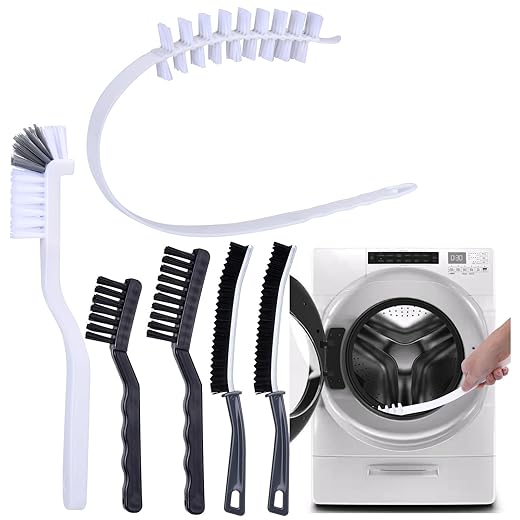
A key part of maintenance is regularly cleaning the inside of your washing machine. Using a solution of vinegar can help break down detergent buildup and keeps the components running smoothly. You can select cleaning products specifically designed for washing machines, many of which are available on Amazon. Regular cleaning might sound tedious, but it’s a vital step in ensuring that your machine runs efficiently.
If you’ve noticed your washer suddenly making banging noises or experiencing heavy vibrations during a cycle, it’s a sign that something needs attention. Common issues might include damaged parts or an unbalanced load. An engineer suggests ensuring that your washing machine is on a stable surface to avoid any major problems. After a wash, always check to see if any items have been left behind, as foreign objects can cause significant damage.
Finally, if you’re looking to reduce your environmental bill, consider investing in a more efficient model. Today’s washing machines are designed with technology that limits water and energy usage without compromising wash quality. By exploring these options, you not only lower your utility expenses but also contribute positively to the environment. Whether you’re dealing with a brand-new machine or a well-loved appliance, regular maintenance is the key to a hassle-free laundry experience.
Understanding the Average Lifespan of Washing Machines
When considering the average lifespan of washing machines, it’s essential to keep in mind that multiple factors play a significant role. Typically, washing machines last anywhere from 10 to 15 years, but this can greatly depend on the type of washer you choose and how you maintain it. High-efficiency models, for instance, often run longer due to their design and technology that ensures better care for your clothes while reducing grime buildup.
For those shopping online, like on Amazon, there’s a variety of choices available, from top-load washers to front-load options. It gives you the ability to pick models that not only match your laundry needs but also fit well into your remodeling plans. Brands such as Whirlpool and Samsung have excellent profiles for durability with great consumer ratings, showcasing that reliable washers can indeed last much longer than the norm.
A common mistake when purchasing a washing machine is not considering the noise it makes. Certain washers can start with a low hum but can turn into distracting noises as they age. This buildup of noise can be a clear indication that maintenance is needed. Regular checks can help ensure that your machine runs smoothly, minimizing the chances of it breaking down before its time.
It’s also worth noting that the lifespan of a washing machine isn’t solely determined by its components but also how often they are used for washing laundry. For example, if you frequently wash bulky items or heavily soiled loads, your machine might wear out sooner. In contrast, if it’s primarily used for light loads, it may last much longer. To get the most out of your washing machine, consider soaking heavily soiled garments beforehand, which can lessen the strain on the machine itself.
Ultimately, keeping your washing machine in good shape is crucial for ensuring it lasts. This includes running it on the correct cycles, cleaning the filters regularly, and addressing any issues like noise or inefficient cycles as soon as they appear. You might find yourself wondering just how long your washer will last, but with the right care, it certainly has the potential to be a reliable addition to your laundry routine for years to come.
Signs Your Washing Machine Needs Maintenance
Maintaining your washing machine is crucial for its longevity and optimal performance. There are several signs that indicate your machine might need some attention. If you hear unusual noises, such as banging or solid clanking sounds, it’s a clear indication that something isn’t right. These noises can often result from loose parts or improper loading, which you can easily fix by redistributing the laundry inside the drum.
Another sign to keep in mind is the presence of residue or buildup in the detergent drawer or on seals. If you notice a burning smell, this could point to a more serious problem, such as issues with the motor or electrical components. Make sure to inspect the filters, as clogged ones can affect your machine’s efficiency, and cleaning them regularly helps avoid larger issues down the line.
It’s also normal for some washing machines to start showing signs of wear after a year or two. Pay attention to any leaks or water pooling at the bottom, as these could be signs of seals that need replacing. Early detection and maintenance can save you money on service calls and extend the life of your machine.
For those who are still unsure about maintenance steps, consider signing up for newsletters from manufacturers or following their guidelines on maintaining your washing machine. These often include practical tips and hooks to keep your machine running efficiently. You can even find user-friendly products on Amazon designed to improve washing machine performance, helping you avoid environmental issues and extend its lifespan.
Regular Cleaning: Keeping Your Washing Machine Fresh
To ensure the longevity and efficiency of your washing machine, regular cleaning is essential. A clean machine operates better and can reduce the risk of costly repairs. Over time, grime can accumulate inside the drum, around seals, and in the detergent drawer, potentially leading to expensive damage. A good rule is to measure cleanliness by establishing a routine. Aim for a complete cleaning at least once a month.
You can enhance the condition of your machine by using a variety of cleaning methods. For example, running an empty load with hot water and a cup of white vinegar can help rinse away residues and eliminate odors. Additionally, consider using a washing machine cleaner, such as the Affresh Washing Machine Cleaner, which is helpful for removing tough grime. This product has solid reviews and is a trusted choice among users.
Regularly check the seals and belts for any signs of wear. Replacing these parts when necessary can prevent further damage and ensure that your machine runs quietly and efficiently. If you notice any unusual noise during operation, this could be an indicator that something needs attention. Always ensure that you follow the manufacturer’s guidelines to avoid overfilling the machine, as this can lead to unnecessary strain.
While maintaining cleanliness, don’t forget about the area around your machine. Keeping the utility room organized can also improve your washing experience. There should be enough room around the appliance to allow for good airflow and prevent moisture buildup. In addition, make sure the drain is clear to avoid water backing up, which can cause serious problems.
In conclusion, incorporating these regular cleaning tips into your homebuilding maintenance schedule will help keep your washing machine in fine condition. Investing a little time and effort each month can save you hundreds of dollars in repairs down the line. Remember, a well-maintained washing machine is a lasting one!
Avoiding Common Usage Mistakes
Keeping your washing machine running effectively is essential for extending its lifespan. Many domestic users aren’t aware of the common usage mistakes that can lead to problems like leaks or burning smells. Understanding these mistakes helps develop a smoother laundry experience for your family.
One important rule is to ensure you use the right type of detergent and the correct amount. Overloading your washer or using too much detergent can cause internal clogs and may lead to broken seals. It’s also crucial to use energy-efficient detergents, which save electricity while still delivering clean towels and clothes. Products like Tide Pods or Seventh Generation Liquid Laundry Detergent can improve your wash while keeping maintenance costs down.
When using your washer, mind the load size. Washing too many items at once can cause undue stress on the machine, leading to excess noise and quicker wear. Washers are designed to function best when loaded to the manufacturer’s recommendations, usually about two-thirds full for average loads. Avoid double loading, as it can disrupt wash cycles and lead to inefficient cleaning.
Another common mistake is not paying attention to unusual signals from your machine. If you hear strange noises or notice smells, it could mean your washing machine is leaking or has internal issues that need attention. Regular maintenance, such as cleaning the seals and checking hoses, helps to catch these problems early and avoid expensive repairs down the line.
By properly following these guidelines and knowing what to avoid, you can not only extend the lifespan of your washing machine but also create a more enjoyable laundry experience for your family. Regularly upgrading your understanding of washing machine care is an essential part of ownership.
Best Practices for Storing Your Washing Machine
When renovating your laundry area, proper storage of your washing machine is essential to avoid any damage or problems. You might think that simply placing it in a corner is enough, but there’s much more to consider for extending the life of your appliance. Before you store your washer, make sure everything is properly cleaned. Remove debris from drawers and interior components to prevent hidden mould or mildew buildup which could affect operation.
During storage, it’s crucial to ensure that no loose parts are blocking the motor or other essential components. You really don’t want to find out the hard way (or pay extra dollars) for repairs due to issues caused by improper storage. Consider using a solid storage cover, like the ones available on Amazon such as the “AKEfit Washer/Dryer Cover.” This type of product can help protect your washer from dust and moisture, ensuring longevity.
Cleaning is not just about removing visible dirt. Internal parts, like the pump and hoses, should be checked and cleaned as per the manual recommendations. Signals of hidden issues, like water residue or weird smells, could mean damage is lurking beneath the surface. Regular maintenance can make a significant difference, saving you time and money in the long run.
When it comes to storage choices, avoid places that are too humid or too cold. The right environment can significantly influence how your washing machine performs once you bring it back into operation. If you happen to be moving it through a tight space, measure carefully to avoid putting stress on its parts.
In summary, keeping your washing machine in great condition while in storage requires a variety of best practices. From regular cleaning that prevents problems down the line to ensuring a safe environment for storing, every bit counts. So, take the time to prepare your washing machine properly, and you’ll be glad you did when it comes time to use it again!
When to Call a Professional Technician
Knowing when to call a professional technician for your washing machine can save you time, money, and frustration. There are several signs that your appliance needs the attention of an expert. If you notice any unusual sounds, such as burning or grinding noises, it’s a clear indication that something might be wrong. These sounds often signal internal issues that can lead to significant breakdowns if left unchecked.
Another sign that it’s time to call in the pros is if your washer fails to drain properly. A clogged drain or a blocked suspension system can prevent water from flowing as it should. If your top-load washer is leaking or if you find excess residue in the drawer after a cycle, it may be time to seek assistance. In such cases, following the manufacturer’s instructions for troubleshooting can help, but sometimes a professional engineer is necessary to get the machine back to solid working condition.
Additionally, depending on the age of your machine, parts may begin to wear out. If your washing machine is older and requires multiple parts to be replaced, weigh the cost of repairs against the price of purchasing a new appliance. Sometimes, investing in a new machine can be more economical in the long run. Again, consult your manufacturer’s guidelines for a better sense of what could be done.
For those who want to ensure their machines last longer, subscribing to a maintenance newsletter can keep you informed on best practices. Regular maintenance can help detect and resolve minor issues before they become significant problems. Simple daily checks can go a long way in preserving the functionality of your kitchen appliances. If you suspect anything unusual, don’t wait too long; calling a technician promptly can prevent more extensive (and costly) repairs down the line.
Q&A:
How long can I expect my washing machine to last?
The average lifespan of a washing machine typically ranges from 10 to 15 years, depending on the model, frequency of use, and maintenance practices. Higher-end models may last longer due to better components and technology.
What are some maintenance tips to extend the life of my washing machine?
To prolong the lifespan of your washing machine, consider regularly cleaning the drum and dispensers, checking hoses for wear and tear, avoiding overloading the machine, and using the appropriate detergent. Additionally, running a maintenance cycle with a washing machine cleaner can help remove residues and keep it functioning well.
Are front-loading or top-loading washing machines more durable?
Both front-loading and top-loading washing machines can offer durability, but front-loaders are often considered more efficient and gentler on clothes. However, the longevity of either type largely depends on build quality and proper maintenance rather than the design itself.
What signs indicate that my washing machine may need to be replaced?
Signs that your washing machine may need replacement include excessive noise during operation, leaking water, failure to spin or agitate, and persistent error codes. Additionally, if you find that repairs are becoming frequent and costly, it might be time to consider a new machine.
How can I improve the performance of an aging washing machine?
To improve the performance of an aging washing machine, consider cleaning the filter and drum regularly, checking and replacing worn hoses, and ensuring it is level to reduce vibration. Using high-efficiency detergents and adjusting the wash settings according to the load can also help enhance its performance as it ages.
How long can I expect my washing machine to last?
The average lifespan of a washing machine typically ranges from 10 to 15 years. Various factors influence this duration, including the quality of the machine, the frequency of use, and how well it is maintained. High-end models often last longer than budget versions. Regular maintenance, such as cleaning and checking hoses, can significantly extend a washing machine’s lifespan. Additionally, factors like usage habits and water quality might play a role in its longevity.

Other Articles

Simple 5 Steps to Maintain a Fresh Odor in Your Washing Machine
