



Is your laundry day halted by a pool of water at the bottom of your washer? Troubleshooting washing machine drain issues doesn’t always require a costly service call. Often, the problem is a simple clog or kink that you can fix yourself in minutes. This guide will walk you through the most common culprits—from a blocked pump filter to a faulty drain hose—and provide clear, step-by-step solutions to get your machine draining properly again.
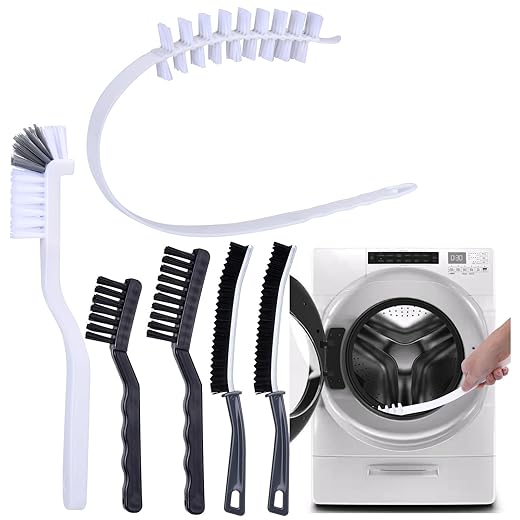


When your washing machine suddenly stops draining, it can become a serious inconvenience. Although a malfunctioning washer may seem like a complex issue, many common problems can be resolved with some simple troubleshooting. Whether you have a front-loading or top-loading unit, understanding the essential features and components of your washer is crucial to determining the culprit behind the drainage issue.
Each washer is designed to handle a range of laundry tasks, but foreign objects like coins, lint, and even small items left in pockets can obstruct the drainage system. If you’ve recently encountered a problem where water lingers in the drum after a cycle, you may need to access the drainage filter, which is often located at the front or bottom of the machine. Depending on the model, this step can often be done without professional assistance and may save you from the risk of a more expensive repair.
To tackle the issue effectively, experts recommend a few straightforward steps. First, ensure that the drain hose is not kinked or clogged. You can use a multimeter to check for electrical issues or a vacuum to clear minor blockages. Additionally, understanding what features your washer includes and what services are available for it can play a significant role in maintaining optimal performance. By browsing solutions and trying to detach obstructions, you can often restore your machine’s functionality with minimal cost and effort.

Common Reasons for Drainage Issues
When your washing machine fails to drain properly, it can be frustrating. Several common causes may lead to this issue. One of the most frequent culprits is a blockage in the drain hose. If you notice your front-loading machine making gurgling sounds or water remaining in the drum after spinning, it could be due to a blockage. Regularly inspecting and straightening the hose can help prevent this problem. Make sure the hose is not kinked or twisted, as this can restrict the flow of water.
Another potential cause is a partial clog in the filter or pump. Debris such as coins, fabric, and even plastic items can accumulate over time. Removing these obstructions can significantly improve water drainage. Service manuals usually provide information on accessing the filter, and you may need to do this manually, especially if water remains in the machine after a wash cycle.
A malfunctioning pump can also contribute to drainage issues. If your washing machine is not able to drive water out, check the electrical wires connecting to the pump using a multimeter. This can help you confirm if power is reaching the pump and if it’s operational. When inspecting components, do not disregard any signs of wear, as these can greatly affect functionality.
Lastly, it’s important to consider the timing of your payments for routine cleaning services that ensure your machine’s optimum performance. Making these sorts of payments regularly can save you from larger expenses down the road. Remember that keeping your washing machine’s drainage system in top shape not only keeps it running smoothly but also extends its lifespan. If you’re still unsure about the cause of the problem after checking these factors, contacting professional services should be your next step.
Clogged Pump Filter
If your washing machine isn’t draining, a clogged pump filter could be the culprit. This is an important area that you should check and maintain. Over time, items like small coins, lint, and other debris can block the filter, causing drainage issues. Once this blockage occurs, the machine’s performance can diminish. To start, you should have a plan to bailing out any excess water in the drum before you proceed to clean the filter.
The first step in addressing this issue is to locate the pump filter, which is usually designed to be accessible. It’s commonly found near the bottom of the machine. Refer to your user manual for specific instructions on where to look. This area might have plastic caps that need to be removed, allowing you to access the filter without hassle.
Another idea is to check for any bends in the drainage pipe. Sometimes, a simple physical obstruction could be causing the problem. Inspect both the filter and the pipe for clogs. You might find that deep blockages could prevent water from flowing freely. Once you spot the culprits causing the blockage, you can gradually remove them. Take care to ensure you’re not damaging any essential components during this process.
If the issue persists after cleaning the pump filter, consider the possibility of more significant drainage problems. You might need to upgrade your hose or even consult a professional plumber for deeper issues. These tasks could save you costly labors in the long run. For maintenance, you might want to stock up on some useful tools, like a compact drain snake or a filter cleaning kit. You can look for affordable options on Amazon, such as:
- Drain Snake Tool: Perfect for unclogging drains and ensuring smooth operations.
- Washing Machine Filter Cleaning Kit: Designed specifically to keep your filter clean and efficient.
- Plumbing Snake: A more robust solution for harder-to-reach blockages.
In November, as you prepare for the winter months, keeping your washing machine in top shape is crucial. Regular maintenance can prevent failures and save you from expensive repairs. By checking the pump filter and drainage solutions frequently, you can avoid a lot of hassle and ensure that your machines work efficiently–allowing you to focus on more important tasks.
Blocked Drain Hose
When your washing machine refuses to drain properly, one of the most common culprits can be a blocked drain hose. This might seem like an obvious fix, but many customers overlook this critical part of their washer’s functionality. A clogged hose can lead to a range of issues, from gurgling sounds during the spin cycle to water not draining at all, which is something no one wants to deal with.
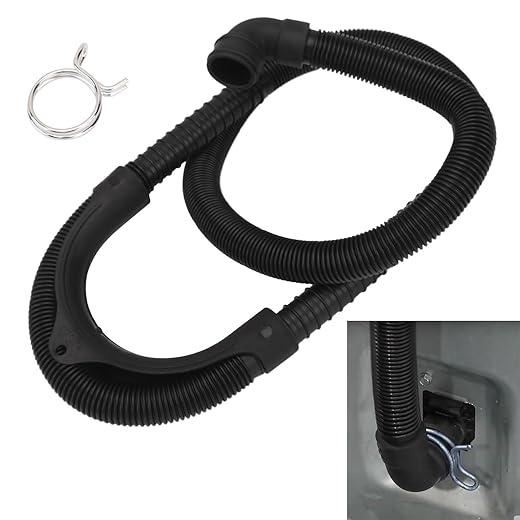
The first piece of advice is to unplug your machine and inspect the drain hose. Look for any visible blockages or kinks that could be preventing it from draining effectively. If the hose is worn or damaged, replacement may be required, which is a much more convenient solution than dealing with larger malfunctions down the line. You’ll find various options on platforms like Amazon, such as the Washing Machine Drain Hose, which can directly address this issue.
If you’ve discovered that something is indeed blocking the hose, using pliers to carefully straighten it may help clear up any debris. Sometimes the blockage can be caused by small particles trapped inside, which might require a chemical cleaner to fully remove. However, take caution when using such products, as they can be expensive and may cause worse damage if misapplied.
Once you’ve checked the hose, reset your washing machine’s control panel and run a short cycle to see if it drains properly. If the problem persists, it might be time to explore further into your washer’s motor and pump mechanisms. Accessing the internal parts of your washing machine can be tricky, but with the right tools and a bit of patience, you can often rectify the issue without calling for a repair. Remember, addressing these minor problems early on can save you from costly repairs in the future.
Always keep your washer’s drain and vent areas clean and accessible to prevent future blockages. Maintaining functionality is key, and regular checks will ensure your washing machine keeps spinning and draining as it should.
Faulty Water Pump
If your washing machine refuses to drain, one of the most common culprits could be a faulty water pump. This issue can occur in various American models, leading to significant problems if not addressed quickly. The water pump plays a crucial role in the drainage system; without it functioning correctly, you may find yourself stuck with your clothes still sitting in water.
There are several ways to diagnose a faulty water pump. Start by checking the control panel for any visible error codes. Sometimes, the problem is just a simple blockage. If you suspect a blockage, you might want to manually check the pump or the drainage hoses. Using a snake can help you clear any debris that may be causing the obstruction. If the pump is worn out or noisy, it might need replacing.
Repairing a water pump is not as daunting as it may sound. Depending on the model, some pumps might require accessibility from the back or bottom of the unit. Technicians often recommend adding cheaper replacement pumps for quick fixes. For instance, products like the “WPW10130913 Water Pump” available on Amazon provide an effective solution. These units offer a variety of features while ensuring your washing system runs efficiently.
If you’re dealing with time constraints, you can usually resolve the issue in a few minutes, provided you have the right tools and information. Posts from plumbers online often offer helpful tips for repairs. Just remember to disconnect the power supply before attempting any manual repairs.
In conclusion, a faulty water pump can lead to significant failures in your washing machine’s drainage system. If you’ve identified that the pump is the issue, don’t hesitate to take action. Make sure to keep your pump and drainage areas clean and clear of obstructions to help prevent future problems. By ensuring your washing machine is routinely maintained, you can extend the life of your appliance and avoid costly repairs.
Issues with the Drainage System
When your washing machine doesn’t drain properly, it can lead to a range of issues that not only disrupt your laundry cycle but also require immediate attention. One of the most common problems is if the drainage hose has kinks or twists, restricting the flow of water. It’s important to inspect the hose regularly and ensure that it is clear and properly positioned. If you notice any bends or gurgling sounds while your washer is operating, these could be obvious signs that something is wrong.
Another factor to consider is the drain filter. Pockets of lint and other debris can cause spillage and malfunction. Unscrewing and cleaning the filter can significantly improve the efficiency of your washing unit. In many cases, doing this simple maintenance step helps flush out clogs that leave water lying in the drum. Not only does this solve the immediate issue, but it also prolongs the life of your washing machine.
When dealing with drainage problems, it’s essential to dive deep into the possible reasons. If you’ve already checked the hose and filter but are still experiencing issues, it may be time to consult a professional. Such repairs can sometimes be complex and may require an informed choice on how to proceed. Look for American-made replacement parts on sites like Amazon for added convenience and durability. Products like the OEM Washing Machine Drain Pump or the Whirlpool Drain Hose can provide reliable solutions when your current setup doesn’t work as it should.
If your washer consistently struggles to drain, don’t hesitate to take action. Having a repair plan in place will ensure that you are prepared for any necessary repairs. By following these steps and staying informed, you can tackle drainage issues and enjoy hassle-free washing in no time!
Identifying a Clogged Pump Filter

When your washing machine refuses to drain, one common culprit is a clogged pump filter. This area is often overlooked, but it plays a crucial role in ensuring your machine operates efficiently. The pump filter is usually located below the drum and collects debris, lint, and foreign objects, which can restrict water flow. To tackle this issue, you may need to unscrew the filter and remove the collection of items that have accumulated over time.
Once you decide to check the filter, make sure you have the right tools on hand. A pair of pliers and a shallow container will allow you to catch any water that may spill out during the process. Always ensure that the machine is unplugged before you start working; safety first! If you’re not comfortable doing this yourself, it’s a good idea to consult with professional plumbers for further assistance.
After you have accessed the filter, you’ll want to clean it thoroughly. Look for any damaged pieces that may need replacing, as a broken filter can cause more significant drainage issues later on. Flushing the filter with warm water can help clear out any stubborn debris. If you notice persistent problems even after cleaning, it could indicate an issue with the pump drive or belts, prompting a further investigation.
Regular maintenance of your washing machine ensures that it spins and drains effectively, preventing future clogs. Keep an eye out for warning signs, such as unusual noises or a significant drop in performance. Taking proactive steps not only saves you money in repairs but also prolongs the lifespan of your appliance. If you need to purchase replacement parts, consider searching on sites like Amazon, where you can find items like replacement pump filters or repair kits at a cheaper price than local stores.
Remember, the initial investment in maintenance can lead to a total payoff in the long run. So, the next time you face drainage issues, walking through these steps might just solve the problem before it escalates. Keep your washing machine in tip-top shape by applying these simple fixes, and always pay attention to its needs!
Symptoms of a Clogged Filter
If your washing machine isn’t draining properly, it could be a sign of a clogged filter. Each cycle you run is crucial, and when the water fails to wash away, complaints about the performance start coming. One of the first issues to check is the filter. If it’s clogged, it might not connect well to the drain, requiring serious attention.
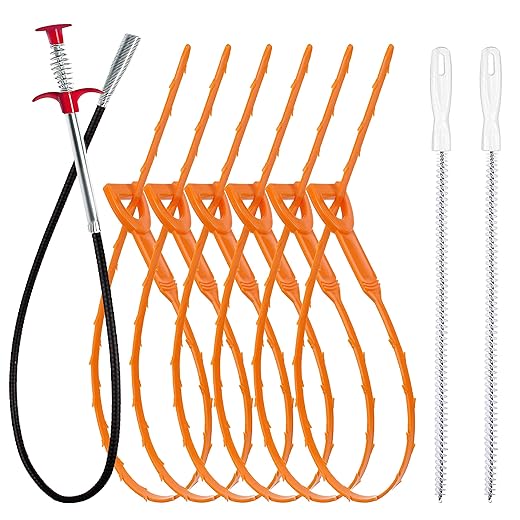
When a filter is worn out or clogged, the motor might struggle, leading to potential failures. There are symptoms that can easily show you when something is off. For instance, if the wash cycle finishes but the drum is still full of water, it’s likely time to inspect the filter. Additionally, if you notice any odd noises while bailing out water, it might be another indication of a deeper issue.
Sometimes, debris like coins or small pieces of fabric can cause blockages. Using needle-nose pliers to remove these items from the filter can be a safe and easy task. For those who might want to clean the filter thoroughly, a mixture of vinegar and soda is an excellent solution that can help break down unwanted grime. Ensure you keep scheduling regular maintenance to avoid zero drainage issues down the road.
There are great products available on Amazon, such as filter cleaning kits and drain cleaners that offer easy solutions for maintaining this essential part of your laundry appliance. With some basic instructions and materials, you’ll be able to prevent future repairs. Remember, active care can save you serious costs in the long run and keep your top-loading washing machine running smoothly!
Q&A:
Why is my washing machine not draining properly?
There are several reasons why your washing machine may not be draining properly. Common causes include a clogged drain hose, a malfunctioning water pump, or a blocked filter. Inspecting the drain hose for kinks or clogs is a good first step. If the hose is clear, check the water pump for any obstructions. It’s also important to clean the filter, as a build-up of lint or debris can hinder drainage.
What should I do if the drain hose is clogged?
If you find that the drain hose is clogged, you can try to clear it manually. Disconnect the hose from the washing machine and the drain, and use a long object to eliminate any blockages. Running hot water through the hose can help dissolve any accumulated debris. Make sure to reconnect it securely after clearing it to prevent leaks.

Could there be an issue with the water pump in my washing machine?
Yes, a malfunctioning water pump is a common reason for drainage issues. If the pump is making unusual noises or is not operating at all, it may need to be replaced. First, check for any visible obstructions preventing the pump from working. If everything appears normal, but the pump is still not functioning, you may need to consult a technician for further diagnosis and repair.
How can I clean the filter of my washing machine?
Cleaning the filter is a straightforward process. First, turn off the washing machine and unplug it. Locate the filter, which is usually found at the bottom front of the machine. Open the access panel, and carefully remove the filter. Rinse it under running water to remove any lint or debris, and then reinstall it. Make sure that the filter is secure before plugging the machine back in and testing it.
Is it normal for washing machines to have drainage problems, and how can I prevent them?
While occasional drainage problems can happen, there are steps you can take to minimize the risk. Regular maintenance such as cleaning the filter and checking the drain hose for clogs can help. Additionally, avoid overloading the washing machine, as this can strain the pump and cause issues. Making sure that what you’re washing is appropriate for the machine can further prolong its life and functionality.
What are some common reasons for a washing machine not draining properly?
There are several reasons why a washing machine might not drain. One common issue is a clogged drain hose, which can prevent water from leaving the machine. Another possibility is a blocked filter, which can accumulate lint or debris and obstruct proper drainage. Additionally, problems with the pump, such as a malfunction or damage, could be the cause. Lastly, issues with the lid switch might prevent the machine from starting the drainage cycle if it believes the lid is open.
How can I troubleshoot my washing machine if it won’t drain?
To troubleshoot a washing machine that won’t drain, first, check the drain hose for kinks or blockages. Make sure it is positioned correctly and not too high or low, as this can affect drainage. Next, inspect the filter and clean any debris that may be present. If the hose and filter are clear, listen for any unusual noises coming from the pump, which could indicate a malfunction. If you’re comfortable doing so, you might also consider checking the lid switch for proper function. Sometimes, simply running a spin cycle can help clear out clogs and allow water to drain. If these steps do not resolve the issue, it may be prudent to consult a professional for further assessment.



Great little fountain pump. Doesn’t pump quite as much as what I desired but does the job. The media could not be loaded. I needed to replace my fountain pump but could not tell how big of a pump it was (in gallons per minute). I saw this pump and liked that it appeared to be strong enough for my needs, however, was also adjustable which would give me flexibility and if too strong could turn it down a little bit. Well packages and easy to use. Also came with an additional replacement impeller which was pretty cool!The pump works great and the water flow is easily adjustable. Can’t beat the price and was very inexpensive!Now, it wasn’t quite strong enough for my needs but not their fault because, as mentioned, I wasn’t sure what size I needed. 90 GPH sounds like a lot so bought this. However, when the time comes to replace I will get something with a larger GPH and move this to something else (maybe my bird bath?).For those who are not sure what 90 GPH is I would suggest watching the attached video. That is “full throttle” for this pump. As you can see it does the job but also you can tell is not quite strong enough for my fountain and would like a little more flow. But, again, is my fault and not critical of the pump. However, I think the video will give you a great perspective of what 90 GPH is and you can decide if that is enough for your application.That being said, the price was right and looks to be of decent quality as well as they supply the extra impeller which is nice. Can’t go wrong for the price but notice 90 GPH is not a whole lot of water flow. For an aquarium or very small fountain will be great. But if you want to push a larger flow should consider a larger GPH pump.
Works Like a Charm – Must-Have for Every Home. This 9-piece drain cleaning tool set is a total lifesaver! I’ve used it in my bathroom sink, tub, and even the kitchen, and it worked perfectly every time. The 35.5-inch clog remover is great for deeper blockages, and the 25-inch snakes are super handy for pulling out hair and gunk from bathroom drains.The cleaning brushes are a nice bonus for scrubbing around the drain area, and everything is reusable and easy to rinse off. I was honestly shocked at how much hair I pulled out with barely any effort—it’s oddly satisfying!Way cheaper and faster than calling a plumber. If you deal with slow drains or hair clogs, do yourself a favor and grab this set. It’s simple, effective, and every household should have one!
Works great. Perfect fit in our roper washer. It took care of the whining noise & it washes good again. Our agitator dogs weren’t just worn, there was nothing left. Easy repair, great price, and seems like just as good of quality as the OEM parts.
Perfect fit. Fit and functions perfect. Easy to install and contains clear instructions on the repair. Agitator is now agitating.
Much better than a universal hose. Had a universal hose that was leaking so figured a OEM hose would be best. Works great, no leaks and a better size for my washer set up.
Powerful Little Pump. The 90 GPH Mini Submersible Pump is perfect for my small water feature. It’s quiet, easy to set up, and surprisingly powerful for its size. Keeps the water flowing smoothly with no issues. Great value and performance—highly recommend for small fountains or tabletop setups!
Finally Got the Hair Clog Out. This drain snake set worked great on my slow-draining bathroom sink. The flexible plastic snakes have little barbs that are incredibly effective at grabbing and pulling out stubborn hair clogs (so easy to pull out). The 25-inch pieces were the perfect length for the job. It was surprisingly easy to use; just feed it down the drain, twist, and pull. I also appreciate that the kit includes a longer 35.5-inch tool for deeper clogs and small brushes for cleaning the drain stopper (I haven’t used yet). It’s a simple, effective, and affordable solution. A helpful tip is to wear gloves and be prepared for what comes out (I had black residue spit out), then run hot water for a minute after you’re done. This kit saved me!
Highly recommend-on whirlpool washer. Does well. Not super thick. I live in an apartment and fit well on my whirlpool washer. They are indeed flexible and can be bent too. Worried plastic would smash and it didn’t. Works very well!
Works well. I purchased this to attach to my portable salon sink it works perfectly! Instead of changing buckets after every wash the water drains directly in the sink!
Fine ill review it. Served its purpose. Not giving a luxurious review for a washing machine hose. It works. Easy to set up. No leaks. Thanks for reading this review.
Washing machine drain line. Very good quality. Great price!! Happy with this purchase
Good product. Better than the kit from the store. Fits multiple sizes. The plus is this comes with a connector for lengthening or fixing the hose.
Clogged drains. The orange tool worked great for my tub but the grabber tool i have yet to use. It’s easy to use and has saved me lots of money already.
Gets the job done. Easy replacement, It fits and works like it should.
Nice Quality. Very durable and comes with several clamps to eliminate leaks. Good price for the quality. The length was perfect for what I needed.
Easy to install. For perfect!
As Represented. Returned. Product functions. I ordered to small of a pump, more for a small/short indoor fountain or small aquarium. Reordered correct size for my tall outdoor fountain.
Drain hose fits my Whirlpool washing machine model WTW5010LW0. Drain hose solved the leaking problem of the Whirlpool washing machine model WTW5010LW0.The hose is a couple of feet shorter than the original one, but it works perfectly!!!