

Nothing undermines the promise of clean laundry quite like opening your washing machine to be greeted by a musty, mildewy, or sour odor clinging to your clothes. Washing machine odor is not just a nuisance; it’s a sign of lurking bacteria, mold, and soap scum that can transfer to your fabrics, affecting hygiene and freshness. If your laundry comes out smelling worse than it went in, you’re facing a common but solvable problem rooted in appliance maintenance and usage habits.


This comprehensive guide delves into the science behind why washing machines develop stubborn odors—from trapped moisture and detergent residue in hidden seals and dispensers to low-temperature wash cycles that fail to kill germs. More importantly, we provide a clear, actionable roadmap for effectively resolving washing machine odor issues once and for all. You’ll learn step-by-step cleaning protocols for front-load and top-load machines, discover the best natural and commercial cleaning agents, and uncover crucial daily habits to prevent odor from returning.
Regain confidence in your appliance and ensure every load is truly fresh. From quick maintenance fixes to deep-clean solutions, master the secrets to eliminating washing machine odor and transform your laundry routine for a consistently clean and pleasant experience.
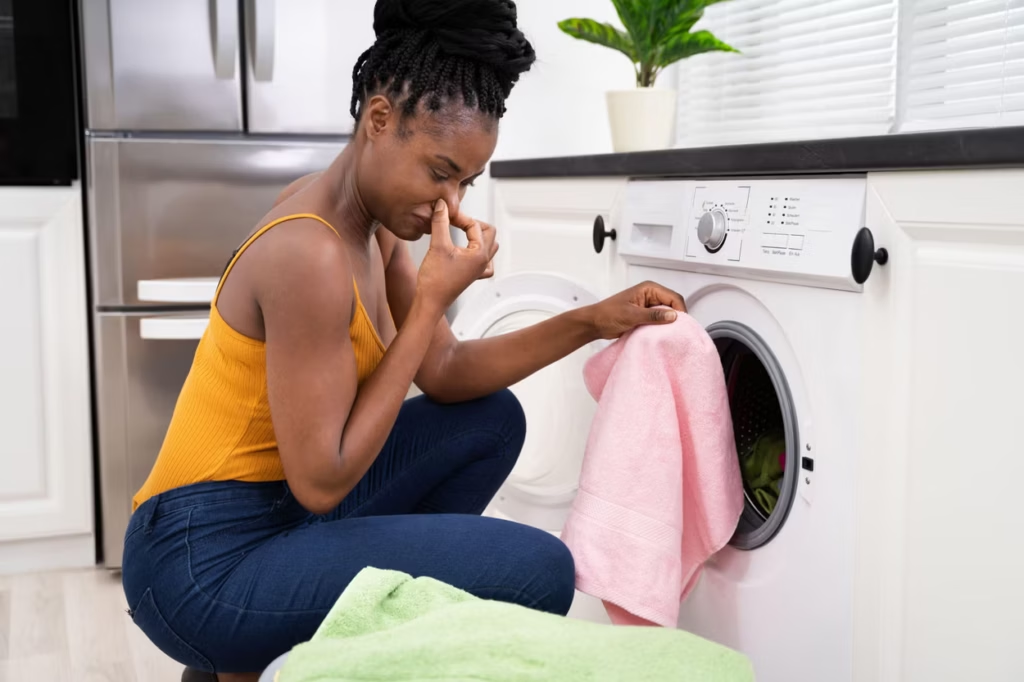
Are you experiencing unpleasant odours coming from your washing machine? You’re not alone; many people face this issue at some point in their lives. The source of these smells can often be attributed to a build-up of residues, mildew, or mold inside the drum or hoses. Ignoring these signs can lead to a decline in your machine’s performance, making it essential to identify and address the underlying causes. In this article, we will explore the likely sources of those odours and provide you with effective, simple solutions to help restore your machine’s freshness.
First, let’s consider what might be accumulating in your washing machine. Warm, wet environments are ideal for the growth of bacteria and the build-up of soap residues, which can convey unpleasant smells. In fact, food particles from laundry that doesn’t wash away completely can also contribute to the issue. Regular cleaning and maintenance, including using products specifically recommended for this purpose, can keep your machine smelling fresh and performing efficiently.
Understanding your machine’s cleaning habits can significantly improve its longevity and hygiene. There are several easy ways to ensure your washing machine remains clean; for instance, using a toothbrush to scrub gaskets and seals can help remove any visible debris. Additionally, following a regular cleaning schedule can prevent odors from accumulating over time. So, please read on as we dive deeper into the specific causes of these unwanted smells and the effective solutions you can implement to keep your laundry experience as pleasant as possible.
Identifying the Causes of Unpleasant Odors

Unpleasant odors from your washing machine can stem from several sources, and identifying these is the first step toward a solution. One common reason is the build-up of damp lint or detergent residue. This is especially prevalent in front-loading machines, which often trap moisture in their seals and surfaces. If clothes are not properly drained after a load, they can leave behind a smelly residue. Please remember that overloading your washer might prevent water from circulating effectively, leading to a stink in your washing machine.
Another issue could be the types of detergents you are using. While commercial products often promise cleanliness, they can also build up over time if not cleaned out regularly. This is where home remedies, like baking soda or peroxide, can provide a simple yet effective alternative. Using these substances can help neutralize odors and keep your machine smelling fresh. Gently cleaning the gasket and other surfaces of your washing machine is a good habit to adopt. It allows you to avoid the buildup of moisture and the resultant odor.
Many people overlook the importance of keeping the door open after a wash cycle. This quick habit can help your machine dry out and prevent the damp smell from lingering. Moreover, it’s essential to regularly check the drain to ensure that it is not clogged, which could signal a bigger problem in your appliances. If you notice any signs of persistent odor, it might be time to consider a good repair, or even consult a newsletter for more tips and tricks to spruce up your laundry routine.
In summary, the key to eliminating unpleasant odors from your washing machine lies in awareness and maintenance. By adjusting your habits, like choosing the right detergents and maintaining moisture levels, you can prevent smells from becoming a problem. Remember to think about your load sizes and give adequate time for clothes to aerate and dry, so that your machine remains a fresh place for your laundry needs.
What Causes Mildew Smell in Washing Machines?
Mildew smell in washing machines is a common issue that can be caused by various factors. If your clothes are coming out with a stink, it’s essential to investigate the root of the problem. One major cause is the accumulation of moisture, which is often due to improper draining. If the hose or pipes are blocked or not draining properly, the leftover water can lead to a buildup of grime, allowing mildew to thrive.
Another culprit can be the type of detergent used. Some commercial detergents might not be adequate for your specific washing habits, or they could be leaving residues that contribute to the odors. It’s recommended to regularly inspect your washing machine for any signs of build-up and to think about switching to a different detergent or using a self-clean option. For instance, brands like Arm & Hammer offer effective washing machine cleaners that can be found on Amazon.
Your washing habits also play a crucial role. If you leave wet clothes sitting in the drum for too long, you’re likely to face mildew smell issues soon. To improve this, consider personalizing your laundry routine. For example, try using microfiber cloths to scrub the drum, as they’re effective at removing grime without causing damage.
Statistics show that a deep clean of your washing machine can significantly reduce odors. Make it a habit to clean your machine every few months. Simple solutions like running a hot cycle with baking soda and vinegar can help eradicate the stink. Additionally, ensure that you are washing with the appropriate amount of detergent and not overloading your machine, as this can lead to poor cleaning and residual smells.
For those looking for thorough cleaning solutions, products like Tide Washing Machine Cleaner can be a great investment. They are designed specifically to target mildew and other odors, allowing you to keep your laundry fresh and clean. If you’re interested in regular upkeep, consider subscribing to a newsletter that provides tips and tricks for maintaining your washer, ensuring safety and efficiency in your home.
Why Do Clothes Smell After Washing?
When your freshly washed clothes come out of the washer with a smelly odor, it can be quite perplexing. One of the primary culprits is often improper rinsing. Front-load washers, in particular, can retain water in the drum or door seal, leading to a musty smell. This is usually because soap residue or lint hasn’t been flushed away thoroughly, leaving behind the perfect environment for bacteria and mold to grow.
Another important point to consider is your washing habits. Are you cramming too many things into your washer? Overloading your top-loaders or front-loaders doesn’t allow clothes to move freely, leading to inadequate cleaning and rinsing. You should always follow the manual’s guidelines for load sizes. Giving your clothes enough space can make a big difference in preventing smelly articles from emerging from the wash.
It’s also essential to inspect the drain and plumbing regularly. A clogged drain can cause odor-causing residues to build up. If you notice persistent smells, you may need to call a professional for service. Deep cleaning your machine with distilled vinegar or specialized washer cleaning products can help eliminate odors. Products like Affresh Washing Machine Cleaner can be a great choice for maintaining freshness.
Another aspect to keep in mind is the type of detergent you are using. Using too much soapy detergent can lead to buildup, while using too little may not clean your clothes effectively. Look for detergents designed for your type of washer, and always use the proper amount. The right choices can greatly improve your washing experience and keep those nasty smells at bay.
Lastly, after washing your clothes, try to open the washer door to allow any residual moisture to evaporate. This small habit can significantly help keep your machine spruced up and odor-free. With these tips, your laundry routine will be a breeze, and your clothes will smell as fresh as a daisy!
Can Hard Water Contribute to Bad Odors?
Hard water is often overlooked as a factor causing bad odors in your washing machine and other appliances. When hard water enters your machine, it can affect not only the cleaning process but also the smell of your laundry. This is particularly true for front-loaders, which, due to their design, can create damp environments that may become a breeding ground for odors if not properly maintained.
One of the underlying issues with hard water is its mineral content, such as calcium and magnesium, which can block the holes in your washing machine. Over time, these deposits can lead to a buildup of soap residues and refuse, making it easier for a stink to develop. If you notice a musty smell when you open the door to your washer, this could be a sign that your machine needs a good cleaning, especially if you’ve been using commercial detergents that don’t effectively dissolve in hard water.
To tackle this issue, consider using solutions like vinegar or dedicated hard water cleaners that can help dissolve these mineral deposits. You can even use a toothbrush to reach the more visible areas that need attention. It’s a simple task that can really make a difference in maintaining your appliance’s performance and scent. On the other hand, try selecting detergents that are specifically formulated to work well with hard water. Doing so won’t only help with the cleaning process but will also aid in preventing bad smells from developing in the first place.
As you follow these tips, remember to keep your laundry appliances clean. Regular maintenance, such as running a cycle with bleach or a commercial cleaner, can help keep odors away. If you want more advice on maintaining your washing machine, sign up for our newsletter, where we share tips on keeping your home appliances in good shape. With the right awareness and care, you can ensure that your washing machine and dryer remain fresh and effective without any unwanted smells!
How Common Is a Clogged Drain Filter Issue?
A clogged drain filter in your washing machine is a more common issue than many people think. Front-loaders and top-loaders alike can be affected by debris that accumulates over time. This often leads to an unpleasant smell, which some might wrongly attribute to dirty clothes or leftover detergent. In reality, you’ve got a problem that needs a quick fix!
The drain filter plays a crucial role in ensuring that dirt and soap residues are properly eliminated from the machine. If it gets clogged, you might start to notice a funky smell and even water backing up when the wash cycle is running. This isn’t just a nuisance; it can signal underlying plumbing issues that need attention. Regular maintenance of your washing machine, including cleaning out the drain filter, should be a part of your laundry routine.
You should always keep an eye out for signs that indicate a clogged drain filter. If you find yourself having to scrub your machine more than normal or if clothes aren’t coming out as clean as they used to, it could lead to further problems down the line. Something as simple as an old sock trapped in the filter can diminish the performance of your machine significantly.
To address this, you have a number of choices. You can gently open the door to the filter compartment, which is usually found at the bottom front of the washing machine. From there, you can remove the filter and rinse it with distilled water or scrub it with a bit of soda to eliminate any stubborn dirt or buildup. Remember to check the surrounding pipes for any dirt that might have been left behind.
There are several effective products on the market to help you maintain your washing machine’s cleanliness. For instance, the “Miele Washing Machine Cleaner” helps remove residue build-up, while the “Affresh Washing Machine Cleaner” is designed specifically to tackle odors. Both can be found on Amazon. They can significantly spruce up the performance of your appliance and ensure that your clothes are always washed in a clean environment.
In conclusion, addressing the issue of a clogged drain filter is not just about avoiding unpleasant smells; it’s about ensuring your washing machine operates at its best. With proper service and maintenance, you can keep your laundry smelling fresh and your machine running smoothly. Don’t let this common issue catch you off guard–make it a part of your regular laundry routine!
Cleaning and Maintenance Tips
To keep your washing machine performing at its best, it’s essential to know how to maintain this important appliance. Smelly issues are often due to microbes that develop in damp areas. Here are some effective solutions to help prevent unpleasant odors.
First, consider your washing habits. If you’re using a front-loading machine, it’s crucial to leave the door open for a few hours after usage to allow air circulation. This simple act prevents the buildup of mold and mildew. Additionally, try rinsing your machine with distilled white vinegar weekly. This can help combat any smelly residues, especially if you’re using liquid softener which can sometimes clog surfaces.
Another point worth mentioning is to periodically clean your machine’s rubber seal, as it can trap water and gunk, contributing to that unpleasant smell. A microfiber cloth works great for this task. You should also check the drain filter for any clogged items that may be sitting there, causing odors over time.
Many vendors offer commercial cleaning products designed specifically for washing machines. These solutions can help tackle more stubborn issues and prevent future unpleasant smells. You can find highly-rated products on platforms like Amazon. Some popular options include washing machine cleaning tablets or liquid cleaners that work wonders.
In conclusion, keeping your washing machine clean requires a few simple habits and regular maintenance. By addressing these factors proactively, your appliance won’t just smell better but will also last longer, ensuring consistent performance throughout its lifespan. Remember, a clean machine means fresher laundry!
How to Clean the Drum and Door Seal?
Cleaning the drum and door seal of your front-load washing machine is essential for preventing unpleasant odours and maintaining optimal performance. Over time, various residues can accumulate inside, leading to poor drainage and other issues. Here’s a step-by-step guide on how to effectively clean these areas.
Step 1: Gather Your Cleaning Supplies
- Baking soda
- Bleach or a commercial washer cleaner
- A microfiber cloth
- Warm water
Thanks to these simple products, you can tackle any build-up effectively. It’s recommended to have everything ready before you start, allowing for a more organized cleaning session.
Step 2: Cleaning the Drum
For a deep clean, it’s essential to address any leftover food particles or clothing debris that might be stuck inside the drum. You can use a mixture of baking soda and warm water to scrub the interior. This method not only helps remove dirt but also neutralizes odor-causing bacteria. Run a hot wash cycle with this solution to circulate it well.
Step 3: Cleaning the Door Seal
The rubber door seal is often where dirt and moisture accumulate, leading to unpleasant smells. Make sure to check for any holes or broken areas in the seal that can result in leakage. Use your microfiber cloth to wipe the entire surface, paying special attention to any excess build-up around the edges.
For tough residues, a diluted bleach solution can be used, but remember to rinse thoroughly afterwards to prevent any harsh chemical from lingering in your machine. If you find food remnants or dirt especially stubborn, consider using specialized products designed for washing machine cleaning. Popular options available on Amazon include Tide washing machine cleaner and Affresh.
Step 4: Regular Maintenance
To avoid these odours and issues in the future, develop good washing habits. Always use the right amount of detergent and avoid overloading your machine. Regularly clean the drum and door seal, ideally once a month, to keep everything fresh. This should only take a little time but will save you long-term headaches!
By personalizing your washing habits and paying attention to these areas, you’re on your way to maintaining a clean washing machine that works well for years to come.
Q&A:
Why does my washing machine have a bad smell?
A bad smell from your washing machine often results from a combination of mold, mildew, and soap residue. These elements can accumulate in various parts of the machine, especially in the rubber seals, detergent dispensers, and the drum itself. When moisture gets trapped in these areas, it creates a breeding ground for bacteria, leading to unpleasant odors.
Why does my washing machine smell like rotten eggs?
A rotten egg smell from your washing machine is usually caused by hydrogen sulfide gas, which can develop due to bacteria in standing water or trapped debris in the machine. The stagnant water can create an environment where these bacteria thrive, producing the unpleasant odor. Regular cleaning of filters, seals, and door openings can help reduce this issue.
Are there any products I should avoid using to clean my washing machine?
Yes, there are certain products you should avoid to prevent damage to your washing machine or ineffective cleaning. Avoid using bleach, as it can corrode rubber parts and components over time. Additionally, steer clear of abrasive cleaners or scrubbing pads that can scratch surfaces. Instead, use natural cleaners like vinegar or baking soda, which are effective yet gentle on your machine.
What are the main causes of a washing machine smelling bad?
There are several reasons why your washing machine might develop an unpleasant odor. One common cause is the buildup of detergent residue and fabric softener, which can lead to mold and mildew growth inside the drum or detergent drawer. Another possibility is trapped moisture in rubber door seals or hoses, creating an environment for bacteria to thrive. Additionally, if you frequently wash clothes in cold water, this can contribute to odor development since it doesn’t always eliminate germs and odors effectively. Lastly, lint and dirt accumulation in filters and drains can also contribute to the smell.
How can I effectively eliminate bad smells from my washing machine?
To remove unpleasant odors from your washing machine, you can follow several steps. First, run an empty hot wash cycle with white vinegar or baking soda. This helps to dissolve any residues and combat odors. Next, clean the rubber door seals and the detergent drawer, ensuring no detergent build-up is present. It’s also beneficial to regularly leave the door open after washing to allow the interior to dry properly, reducing moisture accumulation. Additionally, check and clean the drain filter to remove lint and debris. If the smell persists, consider using a washing machine cleaner designed for this purpose, which can tackle tough residues and bacteria.