

Is your refrigerator silently driving up your electricity bills? As one of the few appliances running 24/7, it’s a major contributor to your home’s energy use. Understanding refrigerator power consumption is the first step to reducing your costs and environmental footprint. This guide will break down how many watts your fridge really uses, reveal the key factors affecting its energy appetite, and provide practical tips to optimize its efficiency. Learn how to choose an energy-efficient model and implement simple habits that can lead to significant savings, making your kitchen both greener and more budget-friendly.

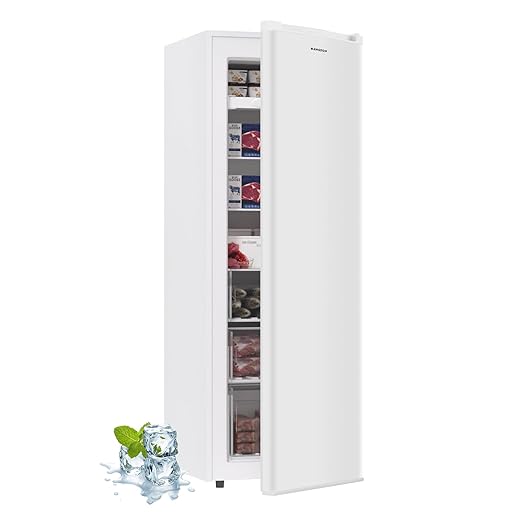

If you’re considering investing in a new cooling appliance, choosing certified energy-efficient models is crucial. These appliances can significantly reduce your utility bills over time. By putting your money into a unit that operates effectively, you ensure it saves you much more in the long run. Track the energy ratings and compare them to find the best deal.
When you use your appliance, the condition of seals plays a vital role in maintaining the right temperature. Ensuring that everything inside remains cold is essential for food preservation. Units that tend to frost or have worn seals can make it more challenging to operate efficiently, meaning you’ll end up spending more on energy than necessary.
A video demonstrating how to manage your cooler’s energy efficiency could provide insights into proper usage. Take note of the model you choose; some tend to use slightly more power than others. Understanding how these machines operate over a 24-hour cycle can help you make informed decisions about what to put inside, ensuring optimal cooling without excessive energy waste.
Understanding Refrigerator Power Ratings
To effectively manage your appliance’s electricity usage, consider its actual performance metrics. Newer models could save you more energy due to advanced features. For example, a unit with an energy efficiency rating of A+++ can significantly reduce your kWh/day required for optimal operation.
When selecting a cooling device, check its power rating, usually listed in watts. A typical model uses between 100 to 800 watts, with the lower end suited for smaller capacities. For instance, an 18 cu ft model might consume around 200 watts, while a 25 cu ft unit could demand up to 500 watts depending on its load and ambient temperature. In warmer regions, like the south, efficiency becomes critical, especially when temperatures regularly reach 30 degrees Celsius or higher.
Some features play a pivotal role in energy savings. Units equipped with inverter technology maintain the ideal temperature without overworking the compressor. This mechanism runs less frequently at full load, ensuring energy economy. Another great innovation is the standby mode, which allows the appliance to save more energy during hours when less cooling is needed.
Dust can be a hidden culprit affecting performance. Regular maintenance, such as cleaning coils every few months, could prevent increased energy usage. It’s also wise to monitor your daily habits. For example, avoiding frequent opening of the door during peak hours can maintain a stable internal temperature, reducing the necessary running time.
Additionally, using a separate freezer can enhance efficiency by keeping the cold storage minimized. An upright freezer, for example, might offer better organization and less cold air loss when accessing items. Consider models like the Bodacious Ultra Quiet Deep Freezer available on Amazon; it could complement your economy habits well.
In conclusion, understanding the ratings and efficiently utilizing the features available on your appliance can lead to significant savings on your energy bills while maintaining the needed cold environment for stored items.
What Do Watts Mean in Refrigerators?
When you’re shopping for a new cooling unit, understanding wattage is essential. The watts indicate how much energy the appliance will consume, which can directly affect your electricity bills. Typically, a standard unit can range from 100 to 800 watts, depending on its size and features. For example, smaller models are around 100-200 watts, while larger units might peak at 500-800 watts.
Heres a quick breakdown: the output wattage should help you gauge the energy efficiency of your appliance. Star-certified models usually use less energy and are designed to minimize operational costs. If you want to save even more, look for units equipped with PeakSave technology, which optimizes performance during high energy periods.
It’s important to note that the actual energy use can vary. When the door is opened frequently, or if there’s dust on the coils, the energy consumption increases as the cooling system works harder. For example, units with fully functioning coils will be more efficient than those covered in dust, leading to better energy rates.
Consider the example of a compact model like the BLACK+DECKER BCRK25V, which operates at approximately 130 watts. It’s perfect for small spaces while still efficiently storing your items. Another option, the Danby DCR042C1BSLDB, operates at around 150 watts, combining efficiency with reliable cooling for your essentials.
| Product Name | Wattage | Star Certified |
|---|---|---|
| BLACK+DECKER BCRK25V | 130 watts | Yes |
| Danby DCR042C1BSLDB | 150 watts | Yes |
By knowing the wattage ratings, you can choose an appliance that fits your storing needs while keeping bills manageable. Make sure to check specifications and maintenance tips to ensure the longevity of your purchase. After all, a little precaution while running your appliance can lead to significant savings in the long run!
How to Find the Power Rating of Your Refrigerator
Start by checking the paper manual that came with your cooling unit. This document often contains the specific details about the energy demands and built-in features of the appliance. If you misplaced it, a quick online search with your model number can lead you to the specifications listed by the manufacturer.
Look for the label usually found on the interior wall or near the condenser coil. This label should outline the amount of energy your device consumes, typically expressed in watts. If your model is older, it might be beneficial to inspect any filters or ventilation openings that could increase the energy bill if they are blocked.
Consider the seasonality of your appliance’s usage. Using a cooler or coolant system continuously may increase your night bill, especially during hot months. On the other hand, if you let the unit remain in standby too long, it may not run as efficiently. Make sure you avoid keeping it next to heat sources, like radiators or ovens, to prevent extra energy loss.
In addition, keep an eye on the age of your appliance. Older models may consume more energy due to wear and tear. If you’re looking for an upgrade, new energy-efficient coolers are designed to operate longer with less damage and will save you money in the long run.
Replacing outdated appliances or keeping them maintained will not only help make your nightly energy bill more manageable, but it also ensures your device functions optimally. Popular options on Amazon, like the LG LSXS26326S or the Samsung RF28R7351SG, boast improved efficiency features that may help cut down your monthly expenses.
Types of Refrigerators and Their Average Wattage
When maximizing efficiency in keeping your food fresh, understanding the types of cooling appliances is crucial. Here are the common types and their typical energy requirements.
- Top-Freezer Models:These are among the most popular options, using approximately 100-200 watts. They tend to be more efficient in terms of energy usage as the freezer compartment is located above the refrigerator, allowing for better circulation of cool air.
- Bottom-Freezer Models:These large units may range from 150 to 250 watts. They offer easier access to fresh items, keeping them at eye level while the larger storage space in the freezer helps maintain frost levels, ensuring your food is preserved efficiently.
- Side-by-Side Types:Typically, these have a higher wattage, around 300-400 watts, due to dual compartments. However, they provide ample room for larger items and are helpful in households where quick access is necessary.
- French Door Models:Combining features of the bottom-freezer and side-by-side types, they can use about 250-450 watts. Their design maximizes cooling efficiency while offering significant space for both frozen and refrigerated items.
- Compact Refrigerators:These smaller appliances usually consume between 50 and 100 watts. Ideal for rooms with limited space, such as dorms or offices, they help keep your essentials cool without using excessive power.
It’s also helpful to consider how the placement of these appliances can affect efficiency. Keeping them in a cool area, away from heat sources like the kettle or direct sunlight, can lower their wattage needs. Testing models with Energy Star certification can ensure you’re choosing the most efficient type for your space.
During the summer months, units tend to work harder, so be mindful of their wattage ratings when trying to keep your food at a stable temperature of around 4 degrees Celsius. For a more sustainable option, consider using a LiFePO₄ battery system to power your larger appliances.
By understanding the wattage and efficiency of different models, you can make informed choices that save on energy costs while keeping your items fresh and ready for use.
Factors Affecting Energy Consumption
One of the practical tips for reducing energy use is to ensure your appliance is star-certified. These models are designed to operate more efficiently, and according to various sources, they can save you a significant amount on your electricity bill over time.
When putting your unit in a space, pay attention to its location. Keeping it away from direct sunlight, and placing it in a cool room can help it run more efficiently. For instance, if it’s in a larger room where heat from the sun hits, it will work harder to maintain a lower temperature.
Nighttime can also be a great opportunity to reduce energy use. You might consider switching off any non-essential lights, enabling it to operate more efficiently. Additionally, if you’re storing clothes in your appliance, ensure they’re fully dry before putting them in, as excess moisture can lead to increased wattage use.
For homes utilizing solar energy, there’s potential to cut down on costs significantly. If you have panels installed, they can provide a sustainable source of energy to power your appliance, making it an eco-friendly option. This can lead to better energy management and overall consumption.
Follow these guidelines and keep an eye on your appliance’s performance. Larger models often use more energy, so consider downsizing if it’s not needed. Ultimately, being mindful of these factors can lead to lower consumption and savings over time.
For example, check out the Midea 3.0 Cubic Feet Upright Freezer from Amazon, a compact and efficient option that helps in shedding unnecessary wattage.
How Size and Capacity Influence Power Use
Choosing the right size and capacity can significantly impact how much energy your appliance uses. A unit that fits your needs will work more efficiently, saving you money on bills. For instance, a 20 cubic foot model tends to be ideal for a small family. If you pick a bigger option unnecessarily, it’ll cycle less frequently, leading to increased warming during off-hours.
When you select a star-certified option, you’re making a choice that ensures it operates safely and effectively within energy guidelines. Look for models that fit your lifestyle; for instance, if you tend to stock up on groceries, consider a larger capacity that maintains optimal temperatures below 40°F. This will help keep everything fresh, while also minimizing electricity usage.
Regular maintenance, such as vacuuming the coils and replacing filters, is crucial. Dust and debris can hinder performance, causing the unit to work harder than necessary. This means checking behind and at the bottom to ensure everything is clean. You’ll be amazed at how small things can make a total difference in efficiency.
Consider your daily routine as well. Units that turn on and off frequently may draw more power during those second intervals. If you regularly open the door, it lets warm air in, increasing strain on the mechanism. This cycling can lead to more wear and tear, making upkeep an important factor in longevity and cost-effectiveness.
For example, the Frigidaire FFTR1821TS model on Amazon is a star-certified choice. It offers 18 cubic feet of space with efficient usage, helping you save throughout the year. This is worth a look if you want a feature-rich appliance with solid performance while keeping bills in check.
Impact of Age on Energy Efficiency
When it comes to energy efficiency, the age of your appliance plays a crucial role. Older models tend to consume more energy, which directly impacts your utility bills. According to energy ratings, units manufactured over a decade ago can use significantly more power than newer, more efficient designs. Investing in a modern unit can reduce your monthly costs, making it a smart choice in the long run.
There’s a noticeable difference in how older and newer models handle temperature settings. Many older designs work harder to keep their internal environment stable, resulting in increased heat production. This process can waste electricity, especially when larger amounts of leftover food create more routine tasks for the appliance. Newer models often feature smarter cooling technology that minimizes this energy draw by turning down operations when not needed.
If you’re worried about your appliance’s efficiency, look for portable options with higher ratings. These tend to be the cheapest in terms of operating costs, especially for smaller spaces. For instance, compact designs can effectively cool water without using excessive energy, providing a great alternative for those who want a functional product while keeping energy expenses down.
Here’s a tip: if you’re considering an upgrade, take a look at options with smart features that allow you to monitor and adjust settings remotely. This not only helps maintain the ideal temperature for your perishables but also can reduce unnecessary power consumption when you’re away. It’s a little investment that brings great rewards in efficiency!
How Temperature Settings Affect Power Draw
Setting the temperature properly can significantly impact how efficiently your cooling machine operates. Generally, the optimal setting for most units is around 37°F (3°C) for the main compartment and 0°F (-18°C) for the freezer. If you’re looking to save energy, consider turning it up a bit, as every degree you increase can reduce electricity consumption by 3-5%. You’re doing your wallet a favor, especially if you’re in warmer areas like the south.
When choosing models, look for those with reliable thermostatic controls. These controls can help maintain your desired temperatures more efficiently, thereby minimizing extra duty cycles. Some more advanced machines even come with smart technology options that allow direct temperature adjustments from your phone, enhancing your understanding of energy needs at different times of the year.
Additionally, portable units may require different settings compared to larger ones. If you have both types, keep them in areas with controlled ambient temperatures and ensure proper airflow around the coils to maximize efficiency. Regular maintenance also plays a crucial role; check seals and clean coils to ensure your appliances are in top working condition.
For those considering a new purchase, the cheapest models aren’t always the most efficient. Check customer reviews on platforms like Amazon for suggestions. Look for products like the BLACK+DECKER Portable Air Conditioner or the Danby Designer 2.6 cu. ft. Compact Refrigerator, which offer both efficiency and portability.
In summary, temperature settings can directly influence how long your cooling machine runs. The goal is to find a balance that meets your cooling needs while ensuring that you’re not overspending every month. Following these guidelines, coupled with regular maintenance and an understanding of your equipment, will ultimately help you save both energy and money!
Q&A:
How much power does a typical refrigerator consume?
A typical refrigerator consumes between 100 to 800 watts, depending on its size, age, and efficiency rating. Smaller, energy-efficient models use less power, while larger or older refrigerators tend to use more. On average, most refrigerators in homes consume around 200 to 400 watts while operating.
What factors influence the power consumption of a refrigerator?
Several factors affect a refrigerator’s power consumption. These include the size and capacity of the unit, the type of refrigerator (side-by-side, top freezer, etc.), its age, and the efficiency rating (such as Energy Star). Environmental factors, including room temperature and how often the door is opened, also play a role, as well as the frequency of maintenance, like cleaning the coils.
How can I reduce my refrigerator’s energy consumption?
To reduce energy consumption, keep your refrigerator in a cool, well-ventilated area away from heat sources like ovens or direct sunlight. Set the temperature no lower than 37°F (3°C) for the fridge and 0°F (-18°C) for the freezer. Regularly clean the coils and ensure the door seals are airtight. Additionally, avoid overloading the refrigerator and try to limit the frequency of opening the door.
Is it possible to find out how much energy my refrigerator uses?
Yes, you can determine your refrigerator’s energy usage by checking the energy label, which provides information on wattage and annual energy consumption in kilowatt-hours (kWh). You can also use an energy monitor plug that measures power consumption in real time. By noting down the average power consumption over a period, you can estimate the monthly or yearly energy costs associated with running your refrigerator.