



Discovering a puddle on your kitchen floor is never pleasant. If you need to know why your fridge freezer is leaking water, you’ve come to the right place. The cause is often a simple, clogged defrost drain or a misaligned water line—issues that many homeowners can fix themselves. This guide will walk you through the most common reasons and their straightforward solutions.

Experiencing pooling water on the floor around your appliance can be frustrating. Understanding the potential issues should be your first step. Proper monitoring and maintenance play a crucial role in avoiding damage. It’s essential to check the hoses and gaskets for wear or blockages that could lead to leaks.
Professionals often recommend ensuring the draining system is not obstructed. If you’re unsure, relevant websites can provide insights on what checks you should perform. Messy leaks left unattended could escalate into larger issues, so staying proactive is key for safety.
Another effective approach is to periodically vacuum around the appliance to remove dust and debris, which can affect its performance. If you feel overwhelmed, consider seeking specialized services for a thorough inspection. They’re ready to assist you in identifying the problem and giving you the solutions needed for a fresh start.



Remember, the right solution will help keep your appliance working effectively, allowing you to focus on baking cookies or enjoying peace of mind instead of worrying about wet floors.
Why Is My Fridge Freezer Leaking Water? Common Causes and Solutions
Check the evaporator coils and look for any signs of ice buildup. If these coils are covered in frost, it may indicate a clog in the drainage system, causing a puddle to form at the front of your appliance. This is one of the most common issues in modern units, often requiring a professional repair.
Another area to inspect is the water dispenser. If it drips or has a constant flow, the seals might be worn out or there might be a disconnect somewhere in the plumbing. Replacing a faulty dispenser can be a straightforward solution to prevent unwanted moisture accumulation.
Keep an eye out for other leaks from the refrigerator body. This could be due to issues with the door seal or gaskets. If they are not sealing properly, they can allow humidity inside, contributing to condensation and puddles underneath. Make sure to regularly check and maintain these seals, as they are essential for optimal performance.
Additionally, if you’re in the Wilshire area, consider local appliance repair services that specialize in these types of problems. Having a professional look at the situation can save you time and money in the long run. Always aim for the best solutions that offer a long-term fix rather than a quick band-aid.
For basic maintenance, keeping the drainage hole unobstructed is crucial. Regularly inspect it for clogs to ensure proper water flow. You can use a small tool, like a flexible brush, to clean any dirt or debris that may accumulate over time.
Remember, understanding the underlying issues is key. By proactively addressing these problems, you can prevent frustrating leaks and maintain the efficiency of your appliance. Explore products like compact drainage brushes on Amazon to assist in your upkeep!
Identifying the Source of the Leak
To effectively tackle moisture issues, it’s essential to start by identifying the exact source of the problem. Inspect the lines connected to your refrigeration system. A crack or loose fitting can easily cause leaks. Make sure everything is secure and that there are no visible damages.
Check around the condenser area, as this is where condensation commonly occurs. If the temperature settings are too low, frost can build up and eventually melt, leading to water pooling. Adjusting these settings can help maintain the right balance and prevent future issues.
Also, consider the drainage system. If it’s blocked, it can hinder normal operation, causing water to accumulate. Inspect these drainage lines closely and clear any obstructions that may be present.
Furthermore, inspect the interior. If there’s mold or water pooling in certain areas, it may indicate that the seals on the door are not functioning correctly. Ensure that the door securely closes and that the seals aren’t cracked or worn out.
For those who want to take extra measures, consider products like the “Genuine OEM Refrigerator Water Filter” or the “Frigidaire Refrigerator Door Gasket” from Amazon. They are excellent choices for maintaining your appliance’s efficiency.
After thoroughly inspecting these components, you should have a clearer idea of the leak’s origin. It’s always a good practice to keep an eye on these systems to avoid long-term issues.
Understanding the Common Leak Locations in Fridge Freezers
To tackle any moisture issues effectively, start by checking the front area where the connectors are located. A simple inspection might reveal damaged seals or cracked connectors that can lead to leaks. If you notice any worn-out parts, address those immediately to stop further complications.
Next, look at the back area for potential issues with the cooling system. Over time, there can be a buildup of ice or frost around the heaters. If this occurs, ensure the heaters are functioning fully. A tool like a multi-meter is handy here to check for electrical continuity in the heating elements.
It’s also vital to examine the drainage system. Often, there can be a blockage in the plumbing that prevents proper drainage, causing leaks. Clear any obstructions while ensuring that the drainage holes are not damaged. You might want to consider products like the Frigidaire Refrigerator Drain Pan for easier maintenance on the lower end.
During your inspection, keep an eye on the internal compartments. Sometimes an internal issue can stem from improperly stored items blocking airflow. This can cause a range of cooling irregularities, leading to leaks. Make sure your items are stored in a way that allows adequate circulation to avoid such scenarios.
If none of these steps stop the leak, it may be time to call a professional. It’s always better to address severe plumbing or system issues early to prevent larger problems down the road. Remember, a proactive approach often saves time and money in the long run.
For a thorough check, consider having tools like the Hobo Digital Thermometer to ensure all temperatures are within range, which could help in diagnosing any cooling problems. Additionally, having a comprehensive repair policy could simplify any future maintenance needs.
Signs That Indicate a Leak in Your Fridge
Look out for puddles forming on the floor near your appliance. If you’ve left items on the floor, you might feel moisture that could indicate a problem. Regularly check for water accumulation when you open the door; it’s a clear signal that your cooling unit needs attention.
If you notice a noticeable increase in humidity levels, especially if temperatures rise inside, it could be due to a blocked drainage line. Websites that provide maintenance tips suggest checking the drain located at the back for any debris or clogs, which could lead to standing water and potential damage.
Pay attention to the inlet lines; a crack there could lead to significant leaks. In modern models, these lines often control water flow, and if they are faulty, replacement is inevitable. Don’t ignore any unusual sounds coming from the appliance; they could indicate that components are working harder than they need to due to blocked outlets.
Thermal issues can also be a concern. Ensure to monitor the internal temperature; if it’s warmer than usual, it could mean your cooling system isn’t functioning properly. Check websites for effective replacement parts if needed. Remember, timely action can save you from expensive repairs.
- If you notice puddles, check for drainage blockages.
- Inspect the inlet lines for any cracks.
- Monitor internal temperatures regularly.
- Listen for unusual sounds that indicate system strain.
- Visit websites for suitable replacement parts.
Products like moisture-absorbing pads or drainage cleaning kits can help maintain your appliance’s functionality. Consider options available on Amazon, as they offer a variety of solutions for such problems.
How to Check for Blocked Drain Holes
First, ensure you check the drain holes thoroughly. These are usually located at the back or bottom of the unit. Use a flashlight to inspect hard-to-see areas for any small debris or ice that could be blocking the flow of moisture.
If you notice buildup, clear the holes carefully using a flexible plastic tool or a soft brush. Avoid using sharp objects that could damage the interior or connectors. It’s essential to approach this with care, as rushing can cause more frustration.
After clearing, run hot water through the holes to ensure they are clear. This test helps find any remaining blocks and maintains the efficient operation of your refrigeration unit. If water drains smoothly, you’ve likely resolved the issue. If the problem persists, consider consulting an expert for further evaluation.
Regular maintenance is key. Keeping the drain holes unobstructed ensures that excess moisture escapes, maintaining your content fresh. Pay attention to signs of standing water on the floor or behind the appliance, as these can be early indicators of blockages.
If you’re looking for practical solutions, consider investing in products like the Drain Cleaner Brush or Flexible Drain Cleaning Tool. These tools can help you tackle this task efficiently by making it easier to remove any troublesome buildup.
Common Causes of Water Leakage
Inspect your appliance early for any signs of unwanted moisture. One of the usual suspects is a clogged defrost drain. If you’ve found puddles at the base of your unit, this could be the culprit, restricting the proper flow of water and leading to a buildup. Clear the drain using warm water and a flexible brush to avoid damage.
If you’ve experienced frequent leaks in your kitchen, look into the plumbing connections. Loose or damaged hoses can create issues, causing leakage. Tightening or replacing these connections with durable options, like the Heavy Duty Refrigerator Water Line Connector, can help prevent further incidents.
Moreover, keep an eye on the door seals. Worn or cracked gaskets might allow warm air to enter, causing condensation. If you notice that food is not staying fresh, here’s a warning that the seals must be checked. You might need to replace them if you see visible signs of wear. Check out the Universal Refrigerator Door Seal Gasket for a suitable fit.
Another reason for water collection can be improper leveling of the appliance. If it’s not balanced, water can flow to the front instead of the drain pan. Use a level tool to assess the situation and adjust the feet as necessary. Expert technicians suggest that maintaining proper calibration is critical for effective refrigeration.
Finally, remember that refrigerant issues could also be at play. Low refrigerant levels may lead to frost buildup, which melts and creates unwanted moisture. If you suspect this, it’s best to call in an expert to assist. Regular maintenance checks can help you understand your appliance better and prevent these issues from escalating.
Improper Sealing of Doors and Gaskets
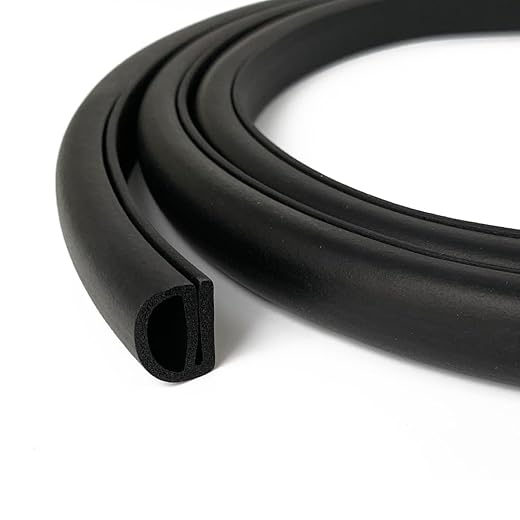
Regularly inspect the doors and gaskets on your appliance for debris or cracks. A broken seal can allow excess moisture to enter, leading to issues like puddles forming inside. If there’s a sign of wear, such as tears or gaps, you should replace the gaskets to keep your system running efficiently.
To ensure that seals are functioning properly, carefully run your fingers along the gaskets. If you can feel air entering, it indicates that your seals are broken or worn out. This could lead to higher energy bills as the compressor works harder to maintain the desired temperature.
If you’ve done your own inspection and identified issues, consider consulting a technician for professional services. These experts can effectively fix any problems and prevent future leaks. Sometimes, they may recommend vacuum sealing techniques or other solutions that help the appliance run more smoothly.
Don’t ignore any signs of leakage around the dispenser. An overflowing water output or an unusual pool of moisture could suggest a greater problem. Addressing these issues quickly saves you money in the long run and keeps everything functioning as it should.
If you’re thinking about upgrading certain components, consider checking out gasket replacement kits available on platforms like Amazon or appliance seal repair services. This small investment can have a big impact on performance and efficiency.
Clogged Defrost Drain and Its Consequences
Regularly check the defrost drain, as it’s a vital component in preventing issues. A clog can lead to significant problems. If the drain is blocked, it may cause water to pool inside your appliance rather than flowing away. This excess moisture can lead to damage over time, including rust and mold growth.

To address this issue, a routine cleaning protocol should be established. Use a mixture of warm water and vinegar to clear the drain. If you have a blockage, you might need to remove any buildup gently. Always ensure the drain is properly sealed to avoid further issues. For the best results, consider using a wet/dry vacuum to suction out any obstructions.
Another sign of a clogged drain is ice forming near the evaporator. This can be dangerous because the ice can expand and cause physical damage. If you notice ice buildup, act early and check the settings on your cooling unit. Incorrect settings may exacerbate the problem. Whether the appliance is new or old, your team should frequently inspect this area to prevent future issues.
Lastly, consider using a qualified technician to assess the situation if these steps do not resolve the issue. They can provide needed safety tips and solutions to ensure your appliance functions efficiently. Addressing these concerns can save you on bills and avoid extensive damage down the line.
Q&A:
What are the main reasons my fridge freezer might be leaking water?
There are several common reasons for a fridge freezer to leak water. One of the primary causes is a clogged defrost drain, which can prevent water from properly draining during the defrost cycle. Another potential issue is a damaged door seal, allowing warm air to enter and causing condensation. Additionally, if the fridge is not level, it can lead to uneven water distribution. Ice build-up in the freezer might also cause leaks when it melts. Checking these areas can help identify the cause of the problem.
How can I tell if the defrost drain is clogged?
To check if the defrost drain is clogged, you can begin by inspecting the drain hole typically located at the bottom of the refrigerator section, just above the vegetable drawers. Use a warm water solution to flush the drain and see if it flows freely. You might also want to look for visible ice or debris in or around the drain. If water accumulates in the fridge after running the flushing test, it is likely that the drain is clogged and may need clearing with a pipe cleaner or a similar tool.

What should I do if there is ice build-up in the freezer?
If you notice ice build-up in your freezer, it can lead to leaks when the ice begins to melt. First, unplug the fridge and allow the ice to melt completely. Afterward, check for issues with the door seal that may be allowing humid air to enter. Regularly defrosting your freezer and ensuring that the door closes tightly can help prevent this issue. If you frequently find ice build-up, a malfunctioning thermostat or improper temperature settings may be contributing, and it may be worth consulting a professional technician.
Is it possible for a faulty water filter to cause water leakage in my fridge?
Yes, a faulty or improperly installed water filter can lead to leakage issues in a fridge. If the water filter is clogged, it may not function correctly, causing water to back up and leak from the filter compartment. Checking the filter for cracks or ensuring it is securely installed can often resolve the problem. If the filter is more than six months old, consider replacing it to prevent additional issues related to water dispensing.
How can I prevent my fridge freezer from leaking in the future?
To prevent future leaks, regular maintenance is key. Ensure that the defrost drain is clear and that the door seals are intact to maintain proper air circulation. Keep an eye on the temperature settings, making sure they are in the appropriate range to minimize condensation. Additionally, regularly clean the coils and inspect water filter connections. Finally, ensure that your fridge is level to avoid uneven distribution of any accumulated water. Regular checks can help address potential issues before they develop into leaks.

Other Articles


Now the freezer … it’s not dripping one drop of water 🌷🌷🌷. The media could not be loaded. Just awesome!! Magnificent… Extremely helpful!! Thanks so much!🌷🌷🌷🌷🌷🌷
Great Fridge/ Freezer Thermometer. These are great for the price. I bought one for a dying fridge that I needed to monitor the temp for, and then purchased three more for my other units. They are accurate, and do exactly what they claim. The display doesn’t freeze even as low as -14, which is the coldest I’ve had them at. They probably continue to display the temp. even colder. They react quickly to temp. changes, so when you first place them in the fridge or freezer, let it stabilize and then press the “clear” button to get the most accurate “high” temp., otherwise it will remember the temp from when it was outside the appliance.
As expected. As expected.
Rv toolkit must have. Product is as described and works well. It has enough length to work for many applications.I personally got this to clean a plugged RV fridge line and it worked great!
Nice, but. Nice little thermometers, but they could’ve designed the with either usb rechargeable battery, or an easy access cover to access the battery. They give you a small phillips screwdriver to remove the battery to replace it.
Great little Thermometer. Interesting product that I never knew existed. Purchased when I suspected my old fridge was on the brink. This item confirmed it. Now I just like to check to see how good my new fridge is doing. Very effective thermometer. Even gives me air temp if I put it out on the counter.