


Maintaining your vacuum cleaner is crucial for ensuring its efficiency, particularly if you want it to perform well year after year. Over time, even the most powerful vacuums, from high-end brands like Aerus Electrolux to popular models like Bissell and Hoover, can encounter issues that hinder their performance. Many homeowners often worry about the cost of repairs or the hassle of replacement, but becoming familiar with the essential parts of your vacuum can save you both time and money in the long run.
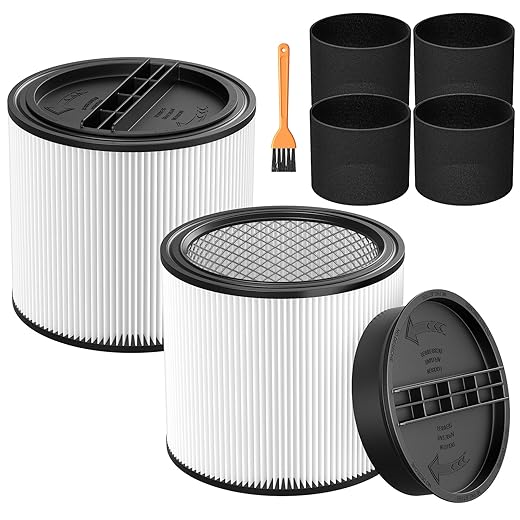


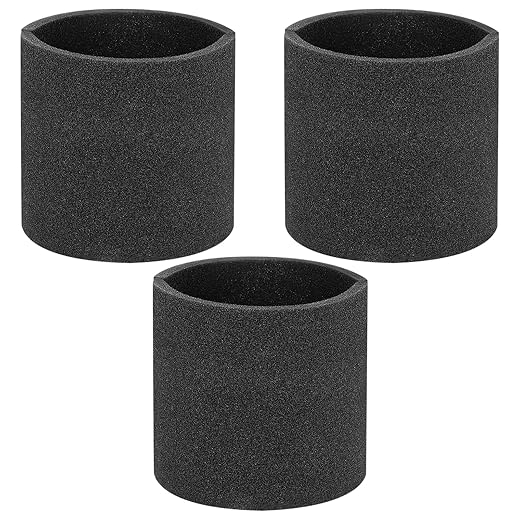

One of the most common culprits for a poorly performing vacuum is damaged components. The brush head, for instance, can become frozen with debris, preventing it from spinning correctly. If you’ve vacuumed a large home and noticed a decline in suction, this could indicate that the motor is working harder than it should, potentially burning out over time. A quick inspection can reveal tiny obstructions or a physical blockage that can be cleared in just a few minutes, restoring your cleaner’s power and efficiency.
Investing in replacement parts for your vacuum is often worth it. Brands like Cana-Vac and models equipped with features like auto-lift technology ensure that you get the best out of your cleaner. When you decide it’s time to replace a part, ensure you contact the right sources or navigate to your manufacturer’s station for specific elements that might need attention. Remember, letting a small issue go unaddressed can lead to larger problems down the line, so it’s essential to unplug and perform maintenance as needed. By taking these steps, you can keep your vacuum cleaner operating smoothly, making life a little easier for families everywhere.
Understanding Vacuum Components and Their Lifespan
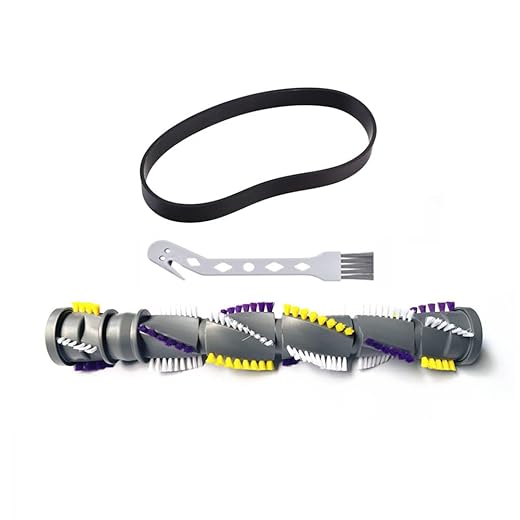
The performance of your vacuum cleaner significantly depends on its individual components and their lifespans. Each part plays a crucial role in ensuring your vacuum effectively removes debris, keeping your home clean and healthy. When you understand what makes up your vacuum, you’ll be better equipped to maintain it correctly and replace parts whenever necessary to extend its useful life.
For instance, a HEPA filter is a critical component that captures tiny allergens and particles. The lifespan of a HEPA filter can vary based on usage, but it’s often recommended to replace it every six months to a year, especially in homes with pets. Products like the Cana-Vac HEPA filter can keep your indoor air fresher. Neglecting to change a dirty filter can lead to unpleasant odors and reduced suction power, making your vacuum less effective.
Another essential aspect to consider is the vacuum’s brush roll. If the bristles are worn out or tangled with hair and debris, they can tear and won’t be able to lift dirt as intended. You should inspect and clean the brush roll regularly, pausing to remove tangled materials. A simple procedure like this can drastically lengthen the vacuum’s lifespan and prevent further damage.
Additionally, the vacuum’s belt is a small yet crucial component. If it is broken, the vacuum won’t function at optimal efficiency. The belt should ideally be checked every six months or so, particularly if you notice a drop in suction. Brands like Chantilly vacuum parts offer reliable replacements that can help maintain your vacuum’s performance.
Maintaining your vacuum cleaner is not just about cleanliness–it’s about creating a long-term cleaning solution. A little effort can go a long way in ensuring that your appliance works efficiently whenever you need it. Being part of the cleaning community means sharing tips and knowing that there’s always help at hand. So, next time you’re looking at your vacuum, remember that even the smallest components can make a huge difference in performance.
Identifying Key Parts Needing Replacement
When it comes to vacuum maintenance, recognizing which parts need replacement can help ensure your machine works efficiently, leading to better cleanliness in your home. There are several key components to keep an eye on, as they can significantly affect performance. Filters and brush-rolls are among the most important parts that require your attention.
- Filters: Typically, these need to be changed every 3 to 6 months, depending on usage. If you have a bagless vacuum, keep in mind that reduced airflow means your vacuum has to work harder, which can lead to strain on the motor. Brands like CANA-VAC offer high-quality filters that are designed for powerful suction and easy maintenance.
- Brush-rolls: These are essential for picking up dirt and debris from carpets and floors. If yours shows signs of wear, such as bristles that look flat or damaged, it’s time to replace it. The convenience of a spare brush-roll in your maintenance kit can save you time.
- Disposable Bags: If your vacuum uses bags, be sure to check them regularly. When they become full, they can cause your vacuum to lose suction. Packaged bags are often available in bulk, which can decrease the frequency of purchases.
With regular checkups, it’s easier to prepare your vacuum for its next job, whether you’re cleaning up after meals or tackling commercial spaces. Don’t forget to check the power control settings as well; sometimes, you might just need to make adjustments rather than replace parts.
Lastly, you can always consult product listings on Amazon for the best options tailored to your model. For example, search for Cana-Vac filters or replacement brush-rolls, which are popular choices due to their remarkable performance. Always strive to stay proactive with your vacuum maintenance schedule to achieve the most effective results.
Signs of Wear and Tear in Vacuum Equipment
Recognizing the signs of wear and tear in your vacuum cleaner is critical for ensuring its longevity and efficiency. Owners should conveniently keep an eye out for various indicators that something may be wrong. For instance, if you notice your vacuum is making strange noises or experiencing a burning smell, these could be critical signs that components like the motor or brush-roll need attention. Investing in timely upgrades can transform your vacuum from a weak system into a powerful cleaning machine.
Another important aspect to monitor is the dustbin. If it doesn’t vacuum-seal properly, this means your vacuum is struggling and losing suction, which saves you both time and manual effort in the long run. Make sure the dustbin is cleaned regularly; a spoiled vacuum bag could lead to more problems and even affect the warranty of your device. When you notice that the belt is frayed or damaged, it’s essential to replace it, as this little component is crucial for effective performance.
Additionally, the storage practices you adopt for your vacuum can significantly impact its durability. If it’s tucked away in a damp space, components may marinate in humidity, leading to rust and other issues. On the other hand, a well-maintained vacuum, like those from brands such as Sebo, will generally last longer. Community members often share tips on Google about how to check the seals and belts–these are both basic yet effective ways to ensure your vacuum remains in good health. If issues persist, don’t hesitate to call a professional for help.
In conclusion, being aware of these wear and tear indicators can prevent a small investment today from leading to larger expenses tomorrow. An efficient vacuum is not just about cleaning; it’s about maintaining a healthy living space. By observing these aspects closely, you’ll be able to enjoy a flavorful, clean home without the risk of your equipment turning into a burden.
Typical Lifespan of Vacuum Parts
Understanding the lifespan of vacuum parts is crucial for every household. With families increasingly relying on their vacuum cleaners to keep carpets and floors fresh, it’s essential to know when to replace specific components to ensure optimal performance. Vacuum parts can typically last anywhere from a few months to several years, depending on usage and maintenance.
To make an informed decision, it’s helpful to map out the lifespan of various vacuum components. For instance, brush rolls may need replacing every 6-12 months if used frequently. Similarly, filters, which are vital for allergy control, should be cleaned or replaced every few months to maintain freshness and limit exposure to non-food allergens in the air.
Motors are the heart of any vacuum cleaner, and trusted brands like Oreck are designed to last longer. However, if you notice unusual noises or a drop in power, it might indicate a failing motor. Regular maintenance, such as washing filters and checking cords, can prolong the motor’s life. Keep in mind that investing in anti-tangle technology can also help reduce wear on the brush and motor.
When planning for replacements, it’s wise to consider how often you use your vacuum. If you live in a busy household, be prepared to make replacements more frequently. For example, a vacuum equipped with Lidar technology can provide efficient cleaning, but it still requires periodic part checks every few months. Keeping this in mind can ensure that your vacuum continues to work effectively in protecting your home from dust and allergens.
Finally, the marketplace provides numerous options for vacuum maintenance parts, such as those found on Amazon. You can find various boxes packed with all the essential parts for your model. Always check reviews to find the best options available and ensure you’re investing in trusted replacements.
How to Properly Replace Vacuum Filters
Replacing vacuum filters is essential to maintain the efficiency of high-performance vacuums like Dyson and Shark. Over time, filters can become worn and damaged, which means they can no longer effectively trap dust and debris. Knowing when to replace your filters can save you effort and help you achieve deeper cleaning results, especially on carpets.
First, let’s prepare for the procedure. It’s suggested that you replace filters seasonally or sooner if you notice reduced suction power. Removing the old filter requires attention, as some vacuums may have multiple filters hidden in tight spaces. For instance, in models like the Dyson V11, filters may be exposed in different areas. Make sure to consult your user manual for specific mapping.
Once you’re ready to work on your vacuum, think about the tools at hand. You may need to wash some filter parts that are designed to be cleaned. For disposable filters, simply remove the old filter securely and replace it with a new one from your local shop or Amazon. Look for filters that are compatible with your model–verify options like the Shark XPS filter or Dyson HEPA filters, which offer high performance.
- Dyson HEPA filter – essential for maintaining clean air.
- Shark filter replacements – designed for maximum performance.
After you secure the new filter in place, an important step is checking the hoses. Remove any debris left in the hoses to ensure there isn’t a blockage that could limit airflow. This routine effort is common and beneficial for keeping your vacuum running smoothly.
Finally, be aware of the temperature in your cleaning space. Excessive heat may affect the longevity of filters. By choosing the right replacement and maintaining your vacuum with some light effort, you prepare your device for all cleaning challenges ahead.
Types of Vacuum Filters: Which One to Choose
When it comes to maintaining your home’s cleanliness, choosing the right vacuum filter is crucial. Different types of filters can significantly affect how well your vacuum cleaner performs, especially if you have a family or pets. A common choice among owners is the HEPA filter, which ensures efficient filtration of tiny particles and allergens. This type of filter is particularly beneficial for those with allergies. HEPA filters can trap dust, pollen, and pet dander, allowing you to turn any cleaning session into a much safer and healthier experience.
Another popular option is the standard foam filter, which is excellent for general cleaning tasks. While it may not specialize in microscopic particles like the HEPA filter, foam filters are effective for everyday debris and can be easily cleaned and reused. They are particularly advantageous for quick storage; you can simply take them out, rinse them, and put them back in without needing to replace them frequently.
For those who prefer a more high-tech solution, models that feature auto-emptying capabilities, such as the CANAVAC systems, are worth considering. These systems allow you to store dirt and debris in a larger container, minimizing the need to empty it manually. This is especially useful if you have a large living space or if you tend to vacuum on a regular basis. Auto-emptying systems not only save time but also ensure that you have a cleaner environment without the unpleasant task of dealing with a full dustbin.
When selecting a vacuum cleaner, consider the frequency of your cleaning tasks and the types of surfaces you need to tackle. If you’re dealing with carpets, look for models that effectively handle deeper cleaning and have the appropriate filters to avoid clogging the hoses. Brands like Dyson and Shark offer a variety of cleaners that meet these criteria, providing reliable options for different households.
Don’t forget about maintenance! No matter the type of filter, you should check for leaks and replace filters regularly to keep your vacuum performing at its best. Whether you opt for a bagged or bagless cleaner, knowing what’s inside and how to maintain it can greatly affect your vacuum’s lifespan. Proper storage and care can ensure that your vacuum cleaner, especially its filter, will continue to work efficiently for many years to come.
Step-by-Step Guide to Filter Replacement
Replacing the filter in your vacuum is a basic yet critical maintenance task that every homeowner should be familiar with. Whether you have a handheld or an upright model like the Hoover T30C, following this simple guideline will help you keep your vacuum performing at its best. Regular changing of the filter can significantly reduce the risk of unpleasant odors or reduced suction, which can occur when dust and debris build up over time.
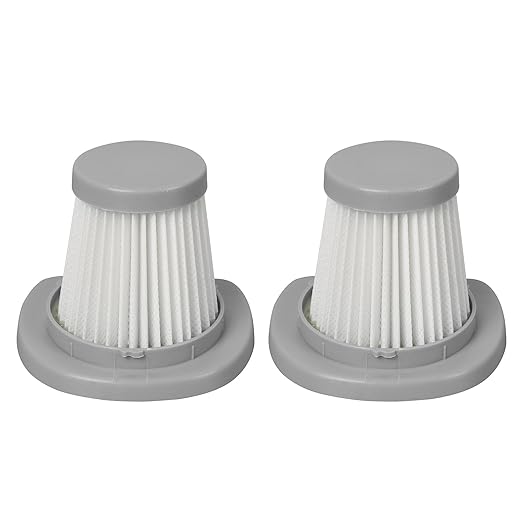
To begin the procedure, first, ensure you unplug your vacuum to avoid any accidents. This step is indeed very important for your safety. Next, locate the filter holder; these are often coming with 2-in-1 features that allow for easy access. In some models, the filter may even be stored in the brush-roll compartment. If you are experiencing difficulties, continue exploring the user manual as it usually indicates the exact location of the filter.
Once you find the filter, gently turn it to the left and pull it out. If it feels loose or damaged, it’s time to replace it. You can buy a new filter online, with options available on sites like Amazon. Look for high-performance filters that suit your model; some even offer self-washing features for easier maintenance. For instance, the Hoover replacement filter can cost around $20 and typically lasts a year.
When you’ve got your new filter, simply slide it back into the holder, ensuring it fits snugly. It’s a simple process that many families can do themselves, helping reduce the overall cost of vacuum maintenance. Remember, taking care of both your exhaust and filter means your vacuum will provide optimal cleaning power, allowing you to keep your home spotless.
By following these steps, you not only enhance your vacuum’s performance but also contribute to a healthier indoor environment. So, turn your attention to your vacuum maintenance; a little time spent on replacing the filter can go a long way in keeping your home clean.
Maintenance Tips to Extend Filter Life
To keep your vacuum cleaner running efficiently, it’s essential to focus on filter maintenance. Filters are crucial for suction power, and if they’re not well maintained, you may experience reduced performance. One of the first tasks should be inspecting the filter routinely. This involves checking for any visible wear or damage. If you notice that your filter feels unusually dirty or clogged, it’s a sure sign that it needs cleaning or replacement.
To prepare for maintenance, make a habit of freeing your vacuum from leftover dust and debris. After each use, wipe down the edges of the filter with a moist cloth to remove any residual particles. This basic task keeps the filter clean and prolongs its lifespan. Additionally, consider the type of filter your model requires; some vacuums use HEPA filters while others may utilize foam filters. Each type may have its common maintenance practices. Searching for replacements on sites like Amazon can provide you with options tailored to your model, ensuring you choose the right fit.
Another important aspect is storage. If you store your vacuum in a moist environment, it can lead to faster degradation of the filter materials. Keeping your vacuum in a dry place will prevent unnecessary wear and help maintain suction power. Furthermore, check your vacuum’s belts and make thorough inspections as well. Loose or damaged belts can cause the filter to fail and reduce the overall effectiveness of the vacuum.
When considering maintenance, think about the tasks you routinely perform. Some models may involve more complex systems that require professional attention, but typically, basic care from your hand is all it takes. Become an agile vacuum owner by discovering simple ways to keep your machine in top shape. Remember, neglecting your vacuum can lead to harmful failures down the line, so a little time spent on preservation can save you both effort and money.
Q&A:
What are the common signs that indicate my vacuum cleaner needs maintenance or part replacement?
Typical signs that your vacuum cleaner requires maintenance include decreased suction power, unusual noises, or if it stops working completely. Additionally, if you notice that the brush roll isn’t spinning or there are visible blockages in the hose or filters, it’s a clear indication that you should check and possibly replace these parts. Regularly inspecting your vacuum for these issues can help ensure it operates smoothly.
How often should I replace the filters in my vacuum cleaner?
The frequency of filter replacement largely depends on your vacuum type and usage. For most models, it is recommended to check and clean filters every three to six months. If you have pets or frequently vacuum fine dust, you may need to replace them more frequently. Some vacuums come with washable filters, which can be cleaned and reused, but be sure to follow your manufacturer’s guidelines on maintenance and replacement.

What parts are most commonly replaced in vacuum cleaners, and how can I know when to replace them?
Commonly replaced parts in vacuum cleaners include belts, filters, and brush rolls. You should consider replacing the belt if you notice a burning smell or if the brush roll isn’t turning, as this usually indicates a worn or broken belt. Filters should be replaced or cleaned regularly, while brush rolls may need replacement if the bristles are worn down or if debris becomes tangled, causing inefficiency.
Can I perform vacuum maintenance myself, or should I take it to a professional?
Many maintenance tasks can be performed by the owner, such as replacing filters, cleaning dust containers, and checking for clogs in hoses. However, for more complex issues like motor problems or extensive repairs, it may be best to consult a professional. Always consult your vacuum’s manual for specific instructions on what can be safely tackled on your own and what should be left to an expert.
What are the risks of neglecting vacuum maintenance and part replacements?
Neglecting regular maintenance and part replacements can lead to reduced performance, increased energy consumption, and potential damage to the vacuum. A poorly maintained vacuum may not effectively clean your floors, leading to a buildup of dirt and allergens in your home. Over time, neglect can result in more severe malfunctions that require costly repairs or even total replacement of the vacuum.
What are the common parts of a vacuum cleaner that may need replacement?
Vacuum cleaners consist of several key components that can wear out over time. The most common parts requiring replacement include filters, belts, and brush rolls. Filters can clog with dust and debris, reducing suction power. Belts can break or stretch, which affects the rotation of the brush roll. Brush rolls can become tangled with hair and fibers, requiring cleaning or replacement for optimal performance. Additionally, some vacuums may have motor issues that necessitate servicing or replacement.

Other Articles

Simple 5 Steps to Maintain a Fresh Odor in Your Washing Machine
Discover the Best Washing Machines That Make Laundry a Breeze

After 13+ years – worth EVERY penny. We have an older DC-14… probably purchased around 2005/2006. Like many – we would wash the foam filter “when we thought about it”, but never replaced the HEPA filter. According to Dyson – it’s a “lifetime” filter. Well – let me be the first to say… after this many years and two cats… the vacuum was feeling a bit “tired”. Instead of just replacing the whole vacuum like most would do thinking it’s “bad”, we decided to do some maintenance. We pulled apart all the hoses & connectors… cleaned them out. Foam filter is still good – so just a simple wash was good. But then came the HEPA… for the first time in all these years we actually took it out and the bottom was BLACK as pavement. There were bits of dust/debris underneath it. We cleaned it out and opted for this filter. Once installed…. WOW. The vacuum is in all seriousness – like new! Complete suction restored! If you’re like us, and thinking things are getting a little “tired”… perhaps on the fence about this filter… just do it. Now. Don’t think – just do it. If nothing else, the vacuum blower motor will thank you. I’m sure it doesn’t need to be replaced all the time or anything like that – but after seeing the difference it made on our vacuum, I’d recommend every 5 years or so… just to maintain tip-top performance!
Works great in restoring suction. I has the original life time Exhaust filter in my DC07. You can see how dirty it was after cleaning carpets in Arizona dirt and dog hair. The cover requires a gentle push on the tabs on either side to pull off. I cleaned the housing then installed the new filter. Then snapped the cover back on. I also bought a replacement Pre-Motor filter/sponge that you would normally take out wash every six months. Happy with the purchase. There are cheaper exhaust filters available but there are issues with some of them not having the rubber seals to keep the filter air tight, so I bought the original Dyson filter.
Works great. I bought this belt to replace the destroyed one on my Bissell Clearview Rewind Pet (model # 2258) and it works fantastic! It was easy to install and I have the second belt for backup. I’m very hard on my vacuums, so I anticipate having to change the belt again before long, haha, so having the spare belt is awesome. My vacuum is a little scary looking on the outside and the roller is even more frightening… last belt literally melted and stuck to the roller. But, since I kept the roller brush free from hair, or anything that would prevent it from spinning, I just kept pushing it along thinking it would keep on keeping on. Not exactly how that works! I never thought about all of the junk that gets wrapped around either end of the roller where it clips into position. Definitely not a lot of fun scraping melted belt off the roller, however, motor and suction are still strong, (yes, I am as surprised as you are by how that’s even a possibility), so I decided to try replacing the belt instead of buying another new vacuum. I sat for over an hour and scraped the rubber off, all while feeling rather stupid for never having thought to clean the roller clips on the sides. I’ve duly noted that part for future reference, haha. I’m tired of paying high prices for things that cost pennies to make, so I found this more cost effective replacement belt, and I feel the belt is of equal quality as the brand ones I’ve purchased prior. I waited to review this belt until after it’d gotten some real wear and tear on it so that my review was an honest one. I’ll definitely purchase these belts from now on.
Make it fit won’t work. I bought it mistaking, will purchase the correct one next time
Perfect fit for my very old shop vac. These filters fit my very old 6 gallon shop vac perfectly. Thanks for making them available! Very good value for the price.
Easy to install. Does the job just what we need. Good quality, easy to fit replacement.
It’s a filter. It filters stuff and does it good. Great OEM replacement. Works as expected.
Excellent product. Fits right on and works very well.
Works perfectly. Works perfectly