

Your Air Fryer Is Smoking is a common problem that can worry many users, but in most cases, it has simple and easy-to-fix causes. Smoke usually appears because of leftover grease, food residue, excess oil, or incorrect temperature settings, not because your appliance is broken. Understanding why Your Air Fryer Is Smoking helps you quickly identify the source of the issue, prevent unpleasant odors, and keep your kitchen safe. In this guide, we’ll explain the most common reasons behind air fryer smoke and show you practical steps to restore clean, smoke-free cooking.
- Clean heating element, basket, and drip tray thoroughly after each use to remove grease and food residue that causes smoking.
- Pat foods dry, avoid overcrowding, and use high-smoke-point oils to prevent drips and vapors from hitting the hot element.
- Ensure proper ventilation and run initial burn-off; persistent smoke may mean a faulty fan, coating, or damaged components needing service.

Immediately halt the cooking cycle and unplug the appliance if you see excessive smoke. The most frequent culprit is leftover food residue or accumulated grease from previous sessions burning on the heating element. A regular, thorough cleaning is non-negotiable; focus on the coil and the interior chamber with a non-abrasive brush. For persistent buildup, a product like the XANGNIER Air Fryer Cleaner Brush Kit can effectively dissolve stubborn grime without damaging surfaces.
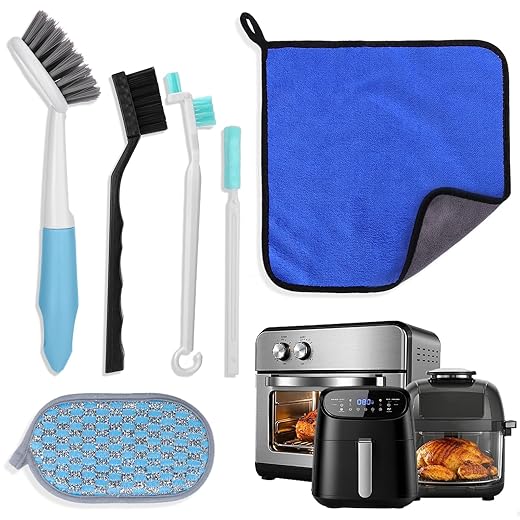
Excess moisture on the surface of foods like frozen fries or fresh vegetables is a primary instigator. This water rapidly vaporizes, can cause spattering, and leads to drippings hitting the hot element. Pat ingredients dry with a paper towel before cooking. Furthermore, overcrowding the basket restricts crucial hot air flow, causing food to steam and release fats unevenly, which then pool and smoke. Adhere to the single-layer recommendation for consistent results.
Incorrect temperature settings directly contribute to the problem. Oil with a low smoke point, such as extra virgin olive oil, will break down and burn at typical cooking heats above 375°F (190°C). Opt for avocado or refined peanut oil. Similarly, fatty proteins like bacon or salmon release oils that drip and combust; placing a small amount of water or bread crumbs in the drawer beneath the basket, or using a accessory like the Cosori Air Fryer Parchment Paper Liners, can catch these drippings before they hit the heat source.

Finally, ensure your appliance has adequate ventilation. Placing it flush against a wall or under a cabinet traps heat and exhaust. Maintain at least five inches of clearance on all sides, particularly the rear exhaust. If smoke persists after addressing these points, the issue may be a malfunctioning internal fan or a faulty non-stick coating, which requires contacting the manufacturer.
Immediately check the appliance’s drip tray and basket for old food residue and accumulated grease. This leftover buildup from previous cooks is the primary culprit for unexpected smoke during preheating.
Excess moisture on the surface of foods like frozen fries or marinated chicken wings can cause spattering. When these droplets hit the hot heating element, they vaporize instantly, creating a smoky mist. Thoroughly pat items dry with a paper towel before cooking.
High-fat foods such as bacon or sausage generate significant drippings. If the drip tray is overfilled or missing, hot fat will pool at the bottom of the unit and burn, producing heavy smoke. Always use the tray and empty it after each use.
An overly aggressive temperature setting can turn small food particles into smoke. For items prone to releasing oils, like cheese or some processed foods, a moderate heat of 370°F (188°C) is often more effective than maximum heat.
Inadequate kitchen ventilation compounds the issue. Ensure your range hood is on or a window is open to help clear any minor vapors that are normal when cooking fatty items, preventing them from accumulating.
For a deep clean, remove all removable parts and soak them in hot, soapy water. Manually wipe the interior heating coil of models like the Instant Vortex Plus with a damp cloth (once completely cool) to dislodge any stubborn, burnt-on residue.
Finally, always run the appliance empty at 400°F (200°C) for 10 minutes after a thorough cleaning. This burns off any remaining cleaning solution or unseen food film, leaving the unit ready for your next meal.
Common Culprits: Food-Related Causes of Smoke
Excess fat is a primary offender. When cooking high-fat items like bacon, sausages, or even some frozen foods, rendered drippings fall onto the hot heating element or basket, instantly vaporizing into heavy smoke. For items like chicken thighs or burgers, trim visible fat and use a drip tray or a bit of water in the drawer to prevent grease from hitting the heat source directly.
Inadequate moisture on vegetable surfaces leads to burning. Lightly coating broccoli, asparagus, or Brussels sprouts with oil ensures even cooking and prevents tiny, dry pieces from charring and smoking. Conversely, excess marinade or wet batters can drip and cause similar issues; always pat items dry before placing them in the basket.
Overcrowding the cooking chamber is a critical mistake. Blocking the appliance’s internal airflow prevents proper ventilation, causing food to steam instead of crisp, which can result in uneven cooking and smoke from trapped particles. Cook in single, even layers, as recommended for models like the Instant Vortex Plus.
Residual food debris from previous sessions will burn. Crumbs or small particles left in the basket or at the bottom of the drawer carbonize during preheating. A thorough clean of all removable parts with warm, soapy water after every use is non-negotiable to prevent this cumulative smoke trigger.
Certain cooking sprays are notorious for causing a smoky kitchen. Many contain lecithin or propellants that leave a sticky residue on the heating element. Instead, use a pump-style oil mister filled with a high-smoke-point oil like avocado or canola, or simply brush oil onto food lightly.
Excess Oil or Grease on Food
Pat food dry with paper towels before cooking to remove surface moisture and unabsorbed fats. This step is non-negotiable for items like marinated chicken wings o r store-bought frozen fries, which are often coated in excess oil.
Apply oil with a spray bottle designed for high heat, such as an Evo Oil Sprayer, using a light mist instead of pouring. Drizzling oil leads to pooling at the appliance’s base, where it burns and creates smoke during subsequent high-temperature cycles.
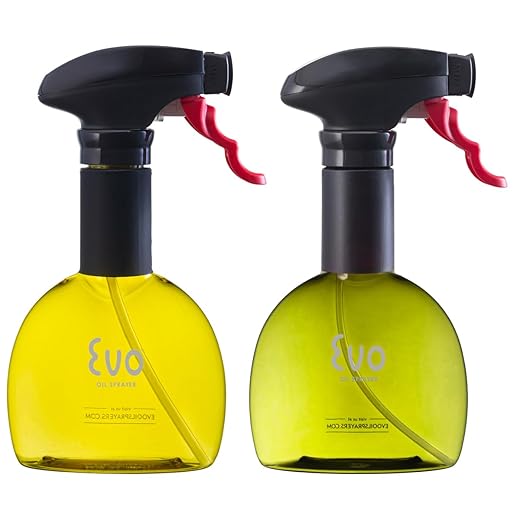
Select the correct temperature for your ingredients. Fatty foods like sausages or bacon release their own grease; start cooking them at a lower temperature (e.g., 320°F) to render fat gradually, then increase heat to crisp. This prevents immediate grease splatter and burning.
Never overcrowd the cooking basket. Proper spacing ensures hot air circulation, allowing grease to drip away from the food and into the catch pan instead of vaporizing on the heating element. For a model like the Instant Vortex Plus, leave at least an inch between items.
Immediate cleaning of the drip pan and basket after each use is essential. Residual grease polymerizes into a hard, smoky film when reheated. Use hot, soapy water to dissolve all fats, ensuring the area around the heating coil is also wiped down to maintain optimal ventilation and prevent smoke from old residue.
Food Debris and Crumbs Burning at the Bottom
Immediately after each use and once the appliance has cooled, remove the basket and inspect the bottom of the drawer for leftover food residue.
Even small, overlooked bits–like fallen cheese from a Ninja AF101 Air Fryer or breading from frozen snacks–carbonize during subsequent high-heat cycles, creating smoke and unpleasant odors. This is the most frequent source of sporadic smoke.

Ninja | Air Fryer | 4 QT Capacity | 4-in1 Roast, Crisp, Roast, Reheats, & Dehydrates | Dishwasher Safe Parts | Includes 20 Easy & Healthy Recipes | Compact |...
For a thorough clean, hand-wash the drawer with hot, soapy water, paying close attention to the textured bottom and corners where grease and particles accumulate. A soft brush or non-abrasive scrubbing pad effectively dislodges stuck-on residue.
To prevent future issues, employ a simple hack: place a thin layer of water or a slice of bread in the drawer’s base before cooking particularly crumbly items like bacon or breaded chicken tenders in models like the Cosori Pro LE. This catches drips and prevents them from burning directly onto the hot surface.

COSORI Air Fryer Pro LE 5-Qt Airfryer, With 20PCS paper liners, 10 Functions that Dry, Bake, Roast &Preheat, Shake Reminder, Up to 450℉, 85% Oil less,...
Consistently using perforated parchment paper liners designed for these appliances creates a protective barrier, allowing airflow while catching crumbs and making cleanup nearly effortless.
Using Wet Batter or Marinades
Always pre-dry marinated items or use a light, even coating of batter to prevent excess liquid from causing flare-ups. Excess moisture drips onto the heating element, instantly vaporizing and creating billows of smoke while burning any sugars or oils in the marinade.

Instant Pot Vortex Plus XL 8QT ClearCook Air Fryer, Clear Windows, Custom Programming, 8-in-1 Functions that Crisps, Broils, Roasts, Dehydrates, Bakes,...
For optimal results, pat proteins like chicken or tofu thoroughly with paper towels after marinating. For a crispier finish without the mess, consider using a panko or dry breadcrumb coating instead of a wet batter. Popular models like the Ninja AF101 or Instant Vortex Plus work best with a light spritz of oil on a dry surface.

| Problematic Practice | Recommended Solution | Example Product to Aid |
|---|---|---|
| Placing soaked, dripping wings directly in the basket. | Pat dry, then apply a light oil mist. | Misto Olive Oil Sprayer |
| Using a thick, runny batter on fish or vegetables. | Opt for a dry dredge (flour, cornstarch) or a thicker tempura-style batter. | Krusteaz Buttermilk Pancake Mix (for a thick batter base) |
| Marinades high in sugar or honey. | Wipe off excess marinade; these ingredients burn rapidly under high heat. | Reynolds Kitchen Parchment Paper Liners (catches drips) |
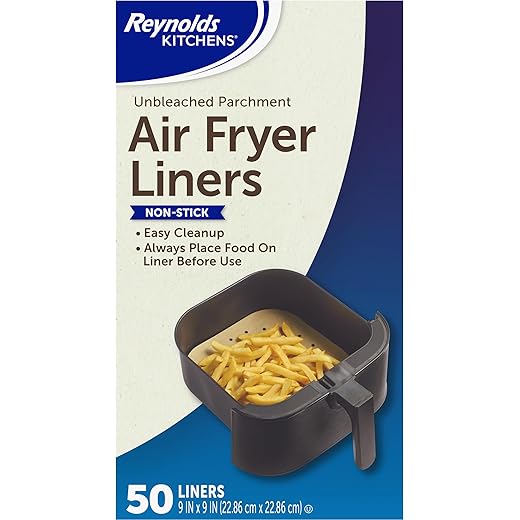
If a recipe requires a wet component, place a single layer of bread or a parchment liner at the basket’s base to catch drips and shield the element. Clean any collected residue immediately after the appliance cools to prevent future smoke incidents.
Appliance Issues and Maintenance Mistakes
Neglecting the heating element is a primary offender. A layer of baked-on grease or food particles on the coil will combust during preheating. Inspect the element at the top of the cooking chamber and scrub it gently with a soft brush after it has completely cooled.
Inadequate cleaning of the drip pan and basket is a critical error. Residual fats polymerize into a hard, smoky coating. For models like the Instant Vortex Plus, remove the pan and basket after every use and wash them in hot, soapy water to prevent this buildup.
Overcrowding the cooking basket blocks essential airflow, causing food to steam and drip fat directly onto the hot surfaces below, which then smokes. Cook in multiple, smaller batches to ensure proper hot air circulation around all items.
Faulty ventilation around the unit can cause it to overheat and smoke. Ensure at least 5 inches of clear space on all sides, especially the rear exhaust. Never operate appliances like the Ninja Foodi DualZone directly under a low cabinet.

Ninja DZ550 Foodi 10 Quart 6-in-1 DualZone Smart XL Air Fryer with 2 Independent Baskets, Smart Cook Thermometer for Perfect Doneness, Match Cook & Smart...
Using non-stick cooking sprays with lecithin or propellants creates a sticky residue that burns. Opt for an oil mister with pure avocado or canola oil, or lightly brush oil onto food instead.
Ignoring worn or damaged components will lead to persistent problems. Regularly check the condition of:
- The Basket and Pan Coating: Chips or scratches can cause food to stick and burn.
- The Internal Fan: A malfunctioning fan fails to circulate air, leading to hot spots and smoke.
- Seals and Gaskets: On oven-style models like the Cosori Smart Oven, worn seals can let fats seep into inaccessible areas.

COSORI Smart 12-in-1 Air Fryer Toaster Oven Combo, Airfryer Convection Oven Countertop, Bake, Roast, Reheat, Broiler, Dehydrate, 75 Recipes & 3 Accessories,...
New Appliance “Burn-Off” or Manufacturing Residues
Before cooking any food, complete an initial burn-off cycle to eliminate industrial oils and protective coatings. This is a mandatory first step, not an optional one.
Follow this specific procedure for models like the Instant Vortex Plus or Ninja Foodi:
- Remove all packaging materials and accessories from the cooking chamber.
- Wash the basket and tray with warm, soapy water, then dry thoroughly.
- Set the appliance to its maximum temperature (typically 400°F or 200°C) and run it empty for 20 minutes.
Expect some light smoke and a slight odor during this process–this is the manufacturing residue burning away. Ensure proper kitchen ventilation by turning on your exhaust fan or opening a window. After the cycle, let the unit cool completely, then wipe the interior with a damp cloth to remove any ash-like particles left behind. Only after completing this entire process should you begin preparing meals.
Question-Answer:
My new air fryer smokes a lot the first few times I use it. Is this normal or is something wrong?
This is a common experience with many new air fryers and is usually normal. The smoking is often caused by residual manufacturing oils or protective coatings applied at the factory. These substances burn off when the appliance heats for the first time. To fix it, perform an initial “burn-in.” Run the air fryer empty at a high temperature (around 400°F or 200°C) for 15-20 minutes. Ensure your kitchen is well-ventilated by turning on the hood fan or opening a window. The smoking should stop after this process. If heavy smoking continues beyond the third use, a different issue is likely present.
Why does my air fryer smoke only when I cook certain foods like fatty meats or bacon?
Smoking during cooking is frequently due to excess fat or oil. Air fryers work by circulating hot air at high speed. When you cook fatty items, rendered fat drips into the bottom basket or drip pan. The intense heat then causes that pooled fat to smoke and burn. To prevent this, avoid overfilling the basket so air can circulate. For very fatty meats, place a small amount of water or bread in the bottom drawer beneath the basket; this can stop fat from burning. Also, trim visible fat from meats and pat items dry before cooking. Regularly cleaning the drip pan and basket after cooking greasy foods is necessary to stop residual grease from smoking next time.
I’ve cleaned my air fryer but it still produces smoke. What could be the problem?
If smoking persists after a thorough cleaning, check two specific areas. First, inspect the heating element located at the top of the unit. Food particles or grease splatter can become stuck to it and burn. Turn off and unplug the appliance, let it cool completely, and carefully wipe the coil with a damp cloth. Second, examine the interior fan. Grease can build up on the fan blades, causing smoke each time it spins and heats up. You may need to consult your manual to see if the fan cover is removable for safer cleaning. Using non-stick cooking sprays can also cause this issue, as they often contain additives that create a sticky, flammable film on internal parts. Switching to a brush and regular oil can help.
Can using the wrong type of oil make my air fryer smoke?
Yes, the oil you choose has a direct impact. Oils with a low smoke point will begin to burn and produce smoke at air fryer temperatures, which often exceed 400°F. Avoid using extra virgin olive oil, butter, or flaxseed oil. Instead, select oils with high smoke points. Good options include avocado oil, refined canola oil, peanut oil, or regular olive oil (not extra virgin). Also, how you apply the oil matters. Spraying a light, even coat with an oil mister designed for cooking is better than pouring oil, which can pool and burn, or using aerosol sprays with propellants that leave residue.